
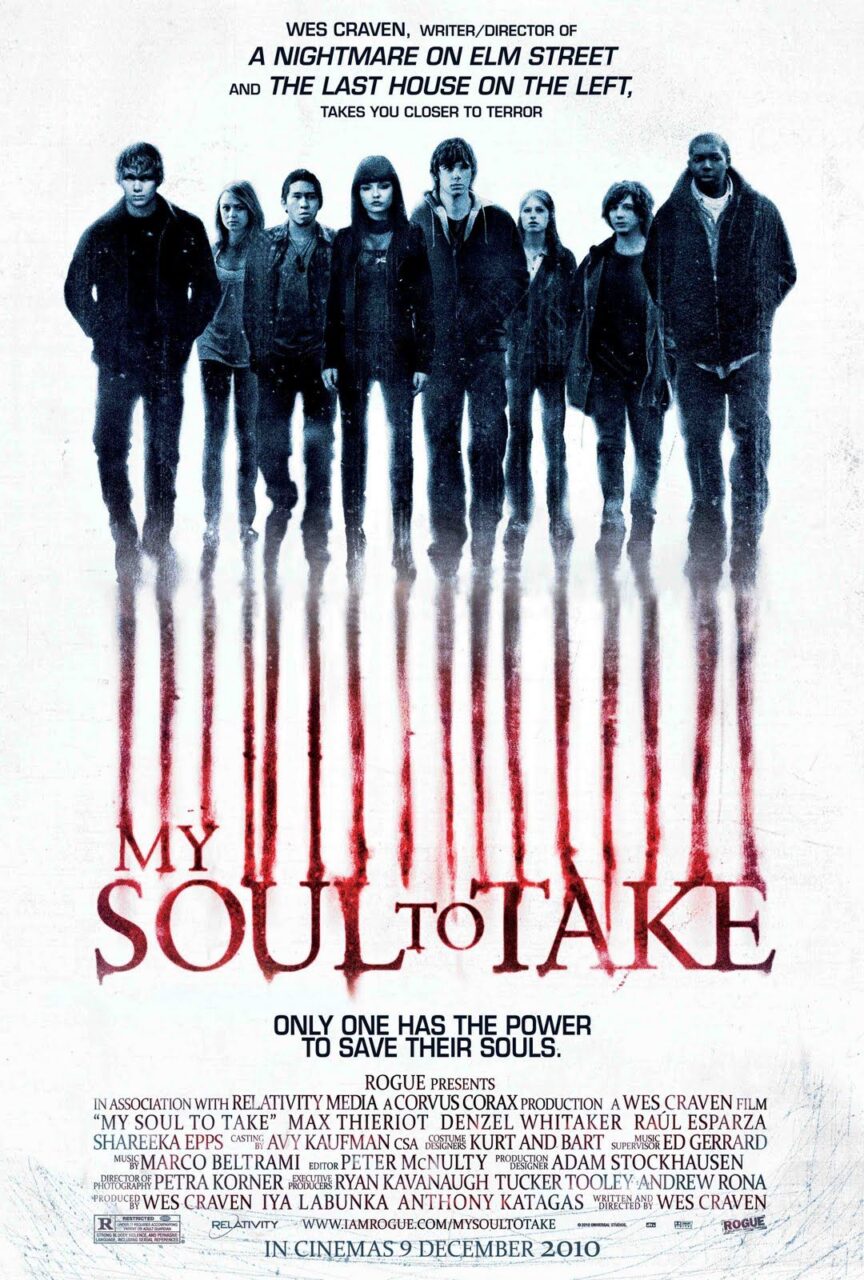
USA. 2010.
Crew
Director/Screenplay – Wes Craven, Producers – Wes Craven, Anthony Katagas & Iya Labunka, Photography – Petra Korner, Music – Marco Beltrami, Visual Effects – Mr. X Inc (Supervisor – Aaron Weintraub), Special Effects Supervisor – Drew Jiritano, Ripper Puppet – Total Fabrication (Supervisor – Kenneth J. Hall), Production Design – Adam Stockhausen. Production Company – Rogue Pictures/Relativity Media/Corvus Corax.
Cast
Max Thieriot (Adam ‘Bug’ Hellerman), John Magaro (Alex Dunkerman), Nick Lashaway (Brandon O’Neill), Emily Meade (Laia ‘Fang’ Hellerman), Paulina Olszynski (Brittany Cunningham), Zena Grey (Penelope Bright), Denzel Whitaker (Jerome King), Jessica Hecht (May Hellerman), Frank Grillo (Detective Frank Patterson), Raul Esparza (Abel Plankov), Jeremy Chu (Jay Chan), Harris Yulin (Dr William Blake), Dennis Boutsikaris (Principal Dennis Pratt), Danai Gurira (Jeanne-Baptiste), Felix Solis (Mr Kaiser), Alexandra Wilson (Sarah Plankov)
Plot
In Riverton, Massachusetts, the hunt is on for a serial killer who has been nicknamed the Riverton Ripper. After the Ripper’s knife is identified by security cameras, Abel Plankov is shocked to find he is holding the knife and realises that he has another entire personality he does not know about as the Ripper. The Ripper kills Plankov’s wife before being shot by police. However, the Ripper personality brings Abel’s body back to life as the police examine the scene and he is finally killed as the ambulance he is being taken away in crashes and explodes. Sixteen years later, it is the birthday of the teenagers who have become known as the Riverton Seven who were all born on the same night that Abel Plankov died. They undergo a mock ritual where they call up the spirit of Abel Plankov who is believed to still be alive underneath the town’s bridge. Soon after, a figure in a hideous masked costume begins to kill each of the Riverton Seven. One of the Seven, Bug Hellerman, has mental problems and realises that there are buried secrets in his past. He soon wonders if he does not have a split personality as the Riverton Ripper or that the Ripper’s soul transferred into him when he was born.
Wes Craven was without a doubt one of the great genre filmmakers. This is the man who has made undisputed classics such as The Last House on the Left (1972), The Hills Have Eyes (1977), A Nightmare on Elm Street (1984) and Scream (1996). On the other hand, there was a period through the 1980s mainly where for every A Nightmare on Elm Street, The Serpent and the Rainbow (1988) and The People Under the Stairs (1991), Craven also made dogs like Swamp Thing (1982), The Hills Have Eyes Part II (1985), Deadly Friend (1986), Shocker (1989) and Vampire in Brooklyn (1995). Craven’s career often seems punctuated by these hits and misses where he can go from one work that redefines the genre to an epic miscalculation to then stagger back up out of the ashes of a misfire and wow everybody again.
Throughout the 2000s, as he enters his seventies, Wes Craven has slowed down somewhat. Craven finished the 1990s in grand style, with Scream and to a lesser extent its sequels Scream 2 (1997) and Scream 3 (2000), which wittily skewered the slasher movie. Though he had a number of other projects announced with his name attached over the next few years, Craven only directed the disappointing werewolf film Cursed (2005) and the okay non-genre plane-board thriller Red Eye (2005). This was certainly a slowdown from the 1980s and 90s when he was putting out a film every second year, sometimes one per year.
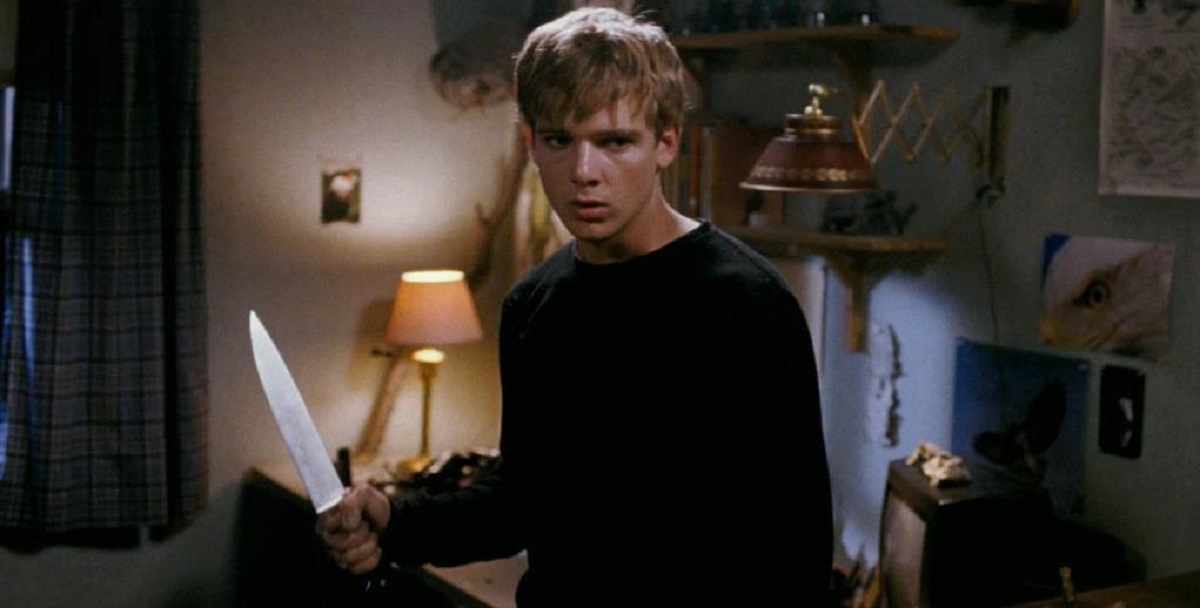
None of the works he put out since Scream have substantially stood out either in terms of critical or audience acceptance. Neither is this the case with My Soul to Take, which dithered around under the title 25/8 since 2008, before being given a wholly unnecessary conversion for 2010’s rapidly tiring fad de jour 3D, and opening to dismal critical and box-office response. This is perhaps why Craven has opted to return to greater commercial certainty with his next film Scre4m/Scream 4 (2011), which would be his final film before his death in 2015.
Everything in My Soul to Take is drearily unremarkable Wes Craven. The film banally traipses through a high-school drama without any enervation, barely engaging with any of its characters. My Soul to Keep seems to lack even the ability to warm its ideas up in terms of a psycho-thriller. Craven’s script throws in old hat ideas that would have been perfectly suited for a horror movie in the 1960s or 70s, particularly some of the giallo thrillers made by Dario Argento – people with multiple personalities they are not aware of, masked killers stalking the cast, the hero maybe being the killer in a fugue state – but does little with any of them.
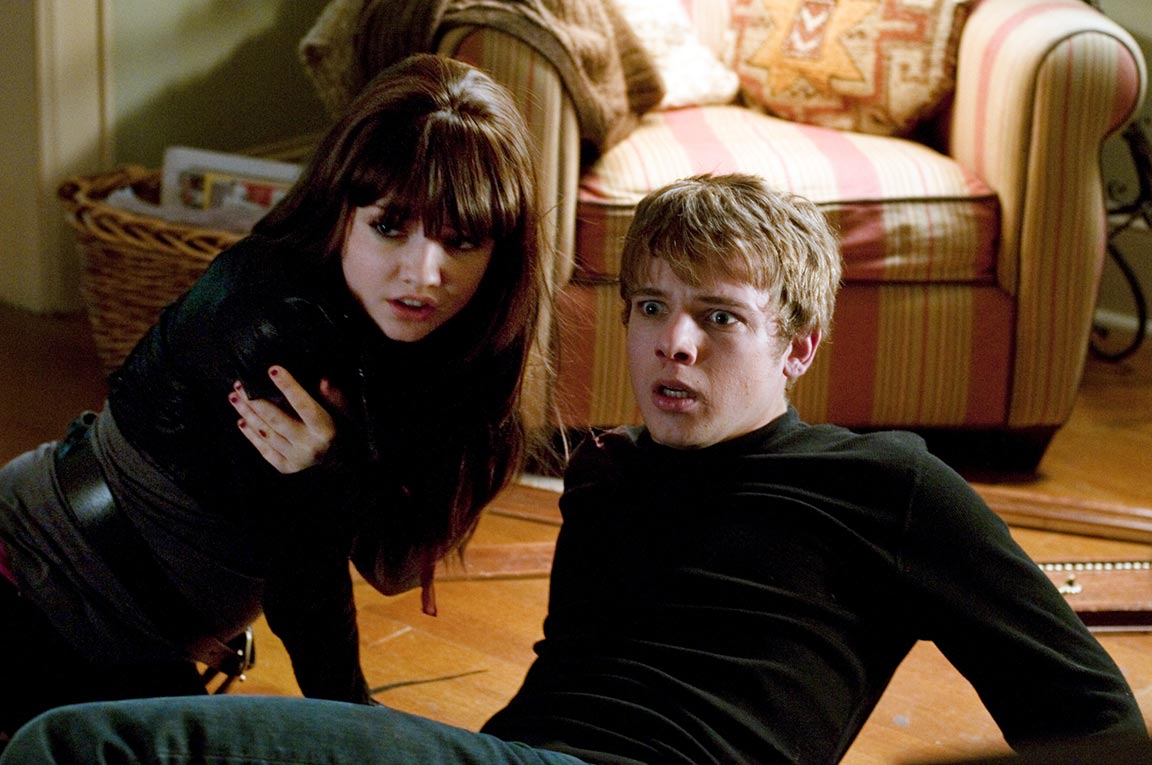
The script lacks any substantial twists and turns to make it interesting – when Craven pulls his one twist halfway through, that Emily Meade, the bitchy girl who runs the high-school clique, is also Max Thieriot’s half-sister, you realise what a tame and disappointing film My Soul to Take is. You keep thinking with the plot set-up that he has, Wes Craven could have saved it if he pulled some wild surprise out of the hat when it came to the end but the film is exactly like an Argento film in this respect where the revelation of the killer’s identity seems arbitrary, almost as though Craven had cast members select straws as to who would be the guilty party.
Even when it comes to his penchant for eerie and way-out scares, Wes Craven still seems to be operating on autopilot – the opening scenes with the killer multiply reviving from the dead even seem like Craven is stuck back in Shocker mode (his single worst film). Even in terms of visual style, the film seems dreary and drab – of the films that have been fake converted to slot into the 2010 fad for 3D movies following the success of Avatar (2009), you cannot think of another film that seems so visually unenlivening for such a treatment.
Wes Craven’s other films are:– the brutality and revenge films The Last House on the Left (1972) and The Hills Have Eyes (1977); the suburban witch film Summer of Fear/Stranger in Our House (1978); Deadly Blessing (1981) about murders around a religious cult; the comic-book adaptation Swamp Thing (1982); A Nightmare on Elm Street (1984); The Hills Have Eyes Part II (1985); Deadly Friend (1986) about a teen inventor who revives his girlfriend from the dead; Shocker (1989) a campily incoherent film about an undead executed killer; The People Under the Stairs (1991); Wes Craven’s New Nightmare (1994); the Eddie Murphy vampire comedy Vampire in Brooklyn (1995); the slasher deconstruction trilogy Scream (1996), Scream 2 (1997) and Scream 3 (2000); the werewolf film Cursed (2005); and Scre4m/Scream 4 (2011). Wes Craven has also written the scripts for A Nightmare on Elm Street III: The Dream Warriors (1987), Pulse (2006) and The Hills Have Eyes II (2007), and produced Mind Ripper (1995), Wishmaster (1997), Carnival of Souls (1998), Don’t Look Down (1998), Dracula 2000 (2000), Feast (2006), The Breed (2006), The Hills Have Eyes (2006), The Last House on the Left (2009), The Girl in the Photographs (2015) and the tv series Scream: The Series (2015-9). He also created the tv series The People Next Door (1989) and Nightmare Cafe (1992).
Trailer here