
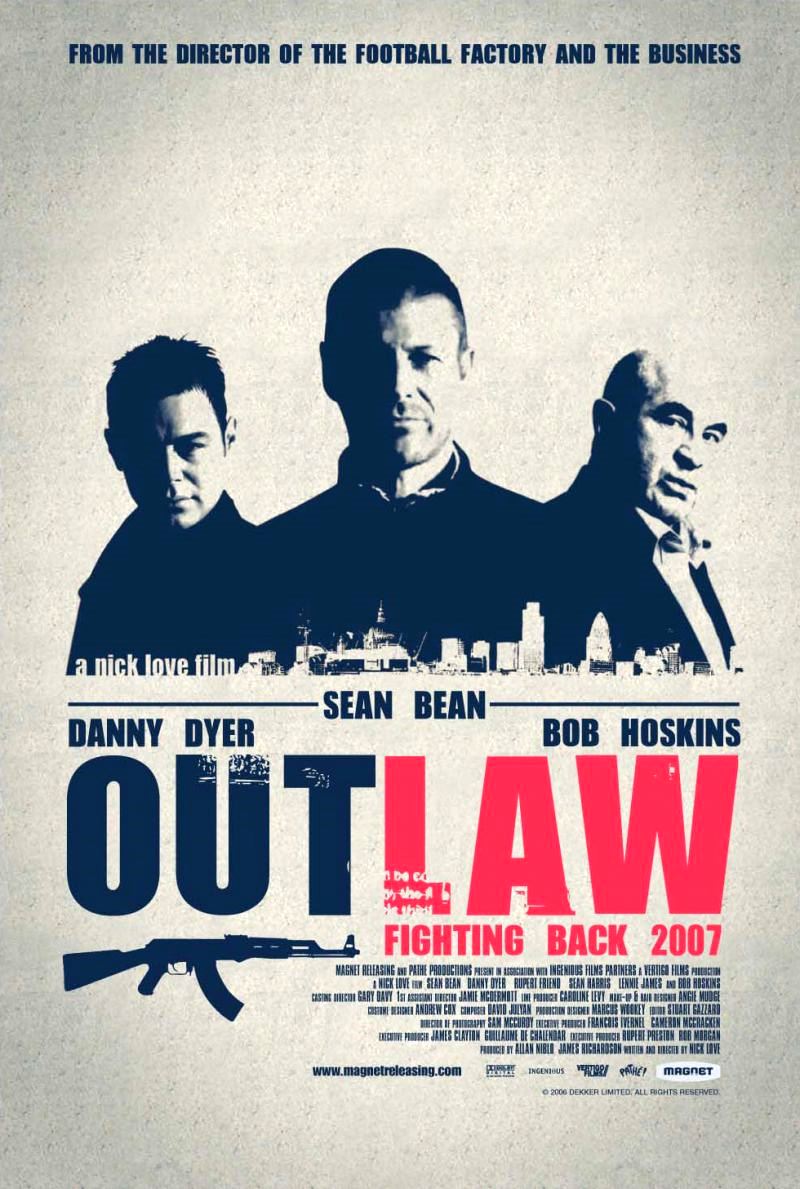
UK. 2007.
Crew
Director/Screenplay – Nick Love, Producers – Allan Niblo & James Richardson, Photography – Sam McCurdy, Music – David Julyan, Special Effects Supervisor – Alistair Vardy, Production Design – Marcus Wookey. Production Company – Pathe Productions/Ingenious Film Partners/Vertigo Films.
Cast
Sean Bean (Danny Bryant), Lennie James (Cedric Munroe), Danny Dyer (Gene Dekker), Sean Harris (Simon Hillier), Rupert Friend (Sandy Mardell), Bob Hoskins (Walter Lewis), Andy Parfitt (Frank Lordish), George Anton (Sergeant Grieves), Dave Legeno (Ian Furlong), Rob Fry (Terrence Manning), Sally Bretton (Kelly), Paul McNeilly (Danny)
Plot
Soldier Danny Bryant returns from service in Afghanistan with a feeling of disillusionment about contemporary Britain. Signing into a hotel, he befriends Simon Hillier, the security guard who works there. Simon intimates he could find a use for men who know how to fight. At the same time, barrister Cedric Munroe is trying a high-profile criminal trial against mobster Terrence Manning and is threatened by Manning’s men. When he ignores this, Manning’s men stab and kill Cedric’s pregnant wife. About-to-be-married Gene Dekker has nightmares of being attacked by thugs. Fearful of this, he accelerates away from the traffic lights and crashes into a car, only to be beaten up by the driver. These people are brought together by Hillier. Bryant also brings his friend Sandy Mardell who was savagely beaten because he was thought to be gay and where the thugs responsible only received light sentences. Bryant challenges them to stand up and fight. He organizes them into a gang and they strike back against their respective attackers. They attain news attention when they rob one of Manning’s drug shipments and throw the money away in the streets. However, the group have qualms when it comes to murdering the man who killed Cedric’s wife and instead let him go. This comes back on them when Manning sets out to hunt them down with the help of bribed police.
Outlaw comes from Nick Love, an English director who has found a following in recent years with a series of violent, hard-edged films, including the likes of the coming of age film Goodbye Charlie Bright (2001), the soccer hooliganism film The Football Factory (2004), the gangster film The Business (2005), a further film about football hooliganism The Firm (2009), the big screen remake of The Sweeney (2012) and the superhero film American Hero (2015). In genre material, Love has also produced the serial killer thriller WΔZ (2007), the murderous children film The Children (2008), Monsters (2010) and its sequel Monsters: Dark Continent (2014), the Found Footage horror A Night in the Woods (2011) and the killer robot film Kill Command (2016).
It has been common to compare Nick Love to fellow Brit Guy Ritchie – both chart the same territory of the violent thuggish underside of British life and make men’s men films where women feature only peripherally. This is a comparison that Nick Love himself spurns, preferring to see that Ritchie’s films are more black caper comedies, whereas his works are social commentaries.
Outlaw is a Vigilante film. Nick Love claims that he based the film on news reports and personal anecdotes he had heard. He makes the claim that what is depicted really is going in, if not in actuality then will be the way that Britain is heading. Maybe so. More than anything, Outlaw feels like an attempt to copy a certain body of American films, in particular Death Wish (1974) and sequels. Indeed, the period that Outlaw came out also saw a number of big-budget US-made vigilante films including Already Dead (2007), The Brave One (2007), Death Sentence (2007) and Gran Torino (2008).
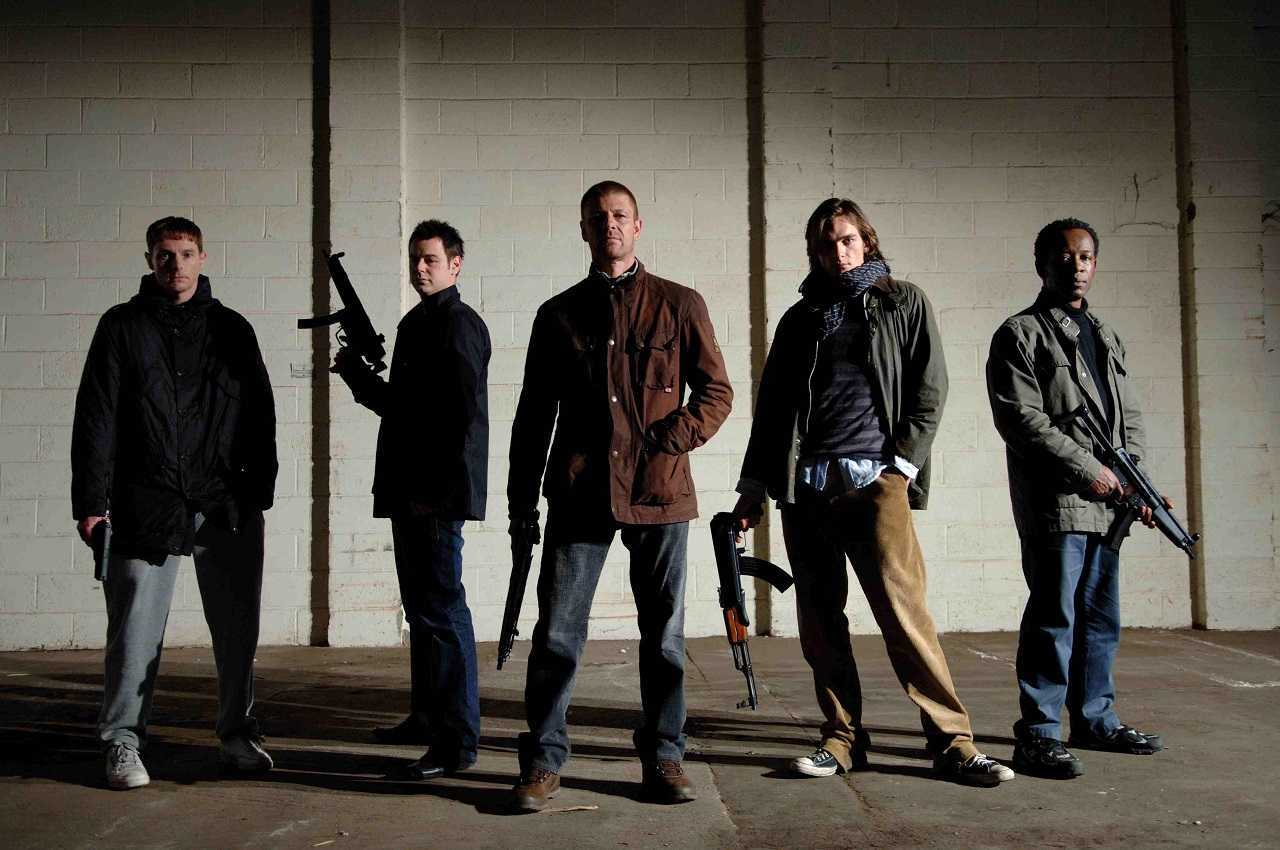
The British vigilante film is a rarity, although a couple of years earlier also saw the fine Dead Man’s Shoes (2004), which had a similar plot featuring a soldier returned from duty overseas and heading out on the revenge trail, and around this period there was also Straightheads/Closure (2007) and the subsequent Harry Brown (2009) with Michael Caine as an aging soldier who takes up arms against the rampant crime in his neighbourhood.Outlaw starts promisingly. Nick Love has a worthwhile cast on his hands, including Sean Bean, Bob Hoskins and rising names like Lennie James and Danny Dyer. The film is shot with a moody focus on the actors’ faces, as though Love is drawing us inside their darkness with him. The mood is less the aggressive violence of Death Sentence, which came out about two months later, than it is of cool, subdued quietude. The film takes some time to get its characters assembled and show us where it is going but when it does, you can see it has assembled each character with a strong piece of motivation. It feels as though Nick Love has conducted a potentially intriguing variant of Death Wish by way of Fight Club (1999) – one where the disenfranchised in society come together as a men’s support group to address their mutual injustices.
However, as the main body of Outlaw hits in, this only proves to be surface glitter. Nick Love seems to lack any interest in exploring his characters beyond the broads stokes of their surface motivations – disillusionment with the system, lack of empowerment, a desire for retribution and justice – and they are disappointingly blank beyond that. There are flat improbabilities – like how the group go from inept fighters to highly organized armed robbers in next to no time.
Eventually, Outlaw operates on no different a level than the comic-book caricatures of the average Death Wish sequel – the only difference is that Nick Love has shot everything with moodier lighting schemes and everyone has British accents. In the end, Outlaw is a disappointment in comparison to its contemporaries – it lacks the moral darkness that The Brave One takes us into, the pleasurably ultra-violent viscerality of Death Sentence or the disturbingly raw naturalism of Dead Man’s Shoes.
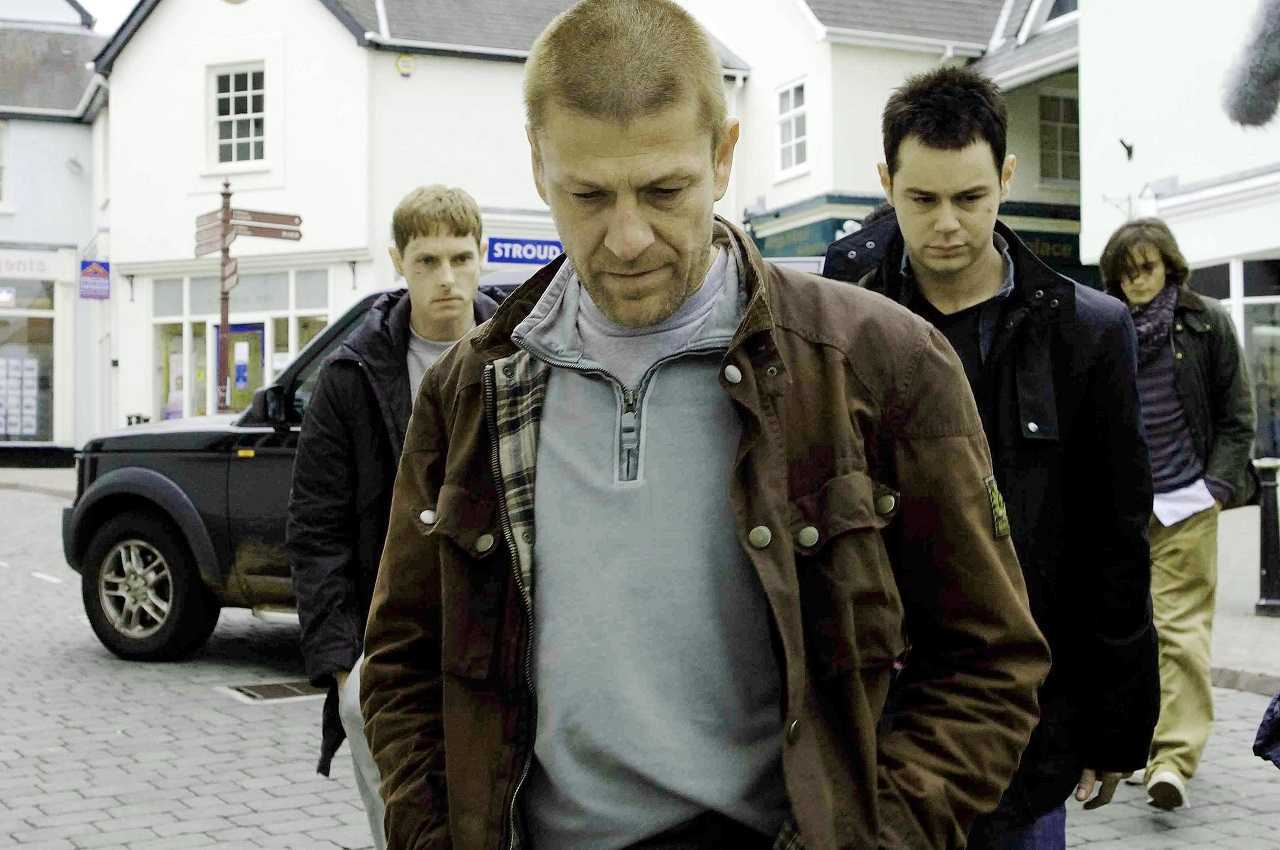
These vigilante movies are always interesting to read in terms of their subtext. Although presented as violent comic-books that are pitched directly to red blooded sensibilities in an audience, they do represent an unconscious cross-section of fears in the society at the time they were made. Aside from the usual bag of characters seeking empowerment and justice, the one interesting thing that Outlaw throws into the mix is a disillusioned military veteran played by Sean Bean. Nick Love has spoken of how he supported British Prime Minister Tony Blair when he first came to power and the subsequent feeling of letdown after the Iraq War. Here he has clearly thrown these feelings in along with the standard outrages over the failings of the justice system.
As such, Outlaw may end up being the first film about a disillusioned Iraq War veteran taking the law into their own hands and may presage something akin to the body of angry disenfranchised Vietnam Vet films that we had in the 80s after First Blood (1979). However, the great disappointment about Outlaw is that Nick Love takes on some big issues – the feeling of a justice system that does not provide adequate justice for victims, the post-Blair disillusionment in British society – but fails to say anything about them. It is a film that only ever parrots vigilante movie cliches.
As an inveterate credit watcher, one of the interesting things to be found here is more than 200 executive producers listed on the end credits. Apparently, Nick Love financed Outlaw by getting people to buy in with each getting a screen credit and many of these also making appearances as extras. This was before the era of Kickstarter where such was a far more unusual idea.
Trailer here