
Good Boy (2025)
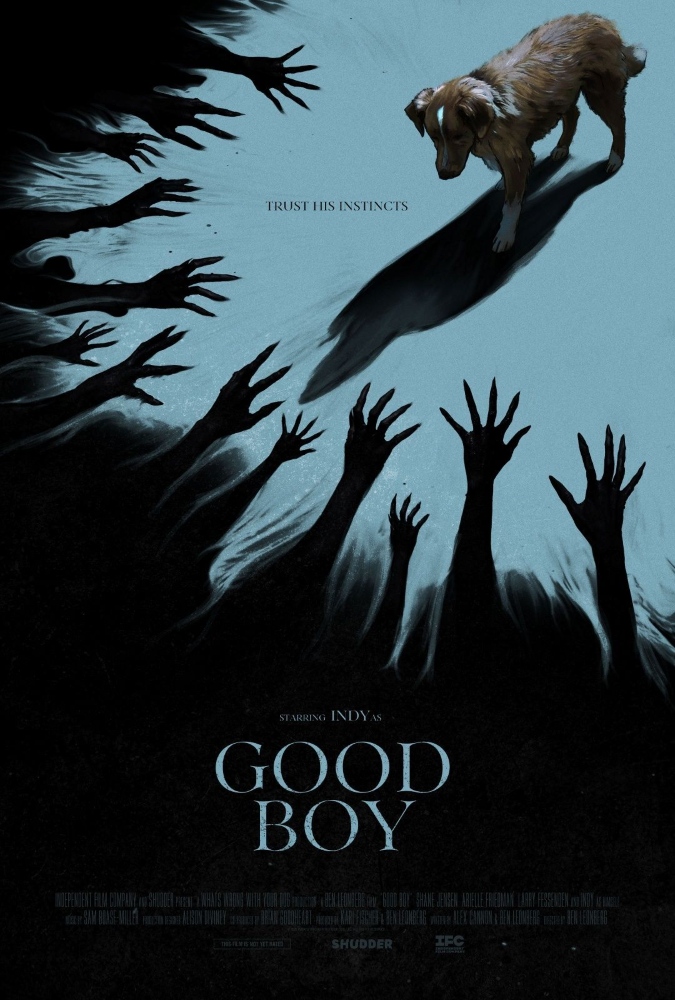
It is said that animals like dogs can perceive the supernatural. This runs with that idea and is a ghost story told entirely from the point of view of the dog. The results are unexpectedly effective
Jurassic Predator (2018)
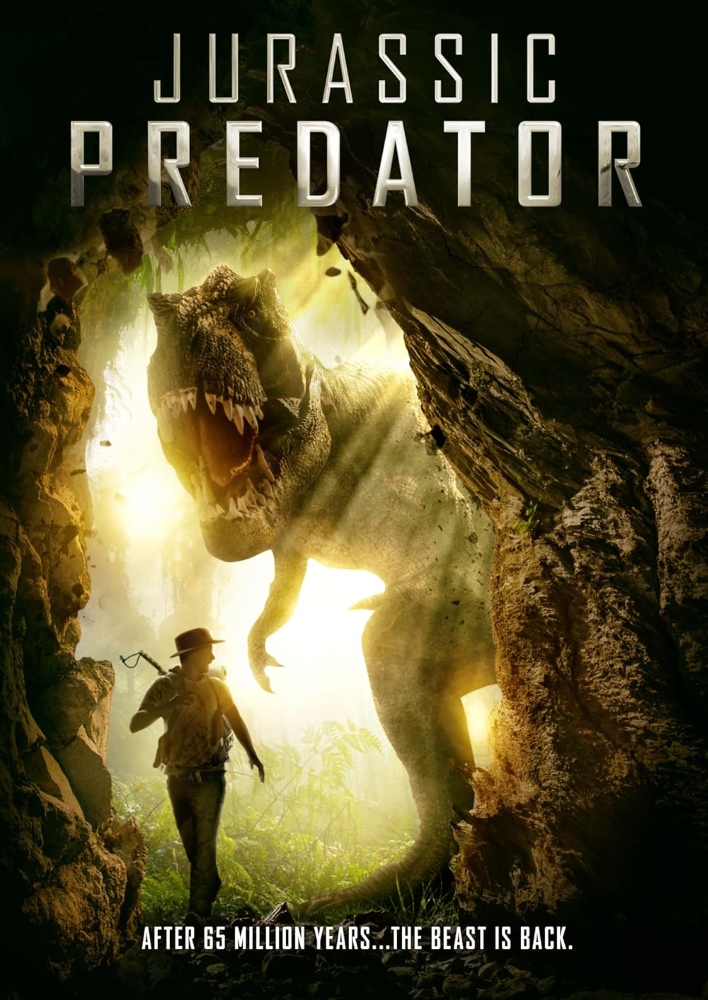
Rather good British-made low-budget take on Jurassic Park, which conducts its variation with an undeniable sense of humour. One of the better films from low-budget director Andrew Jones
Triassic World (2018)
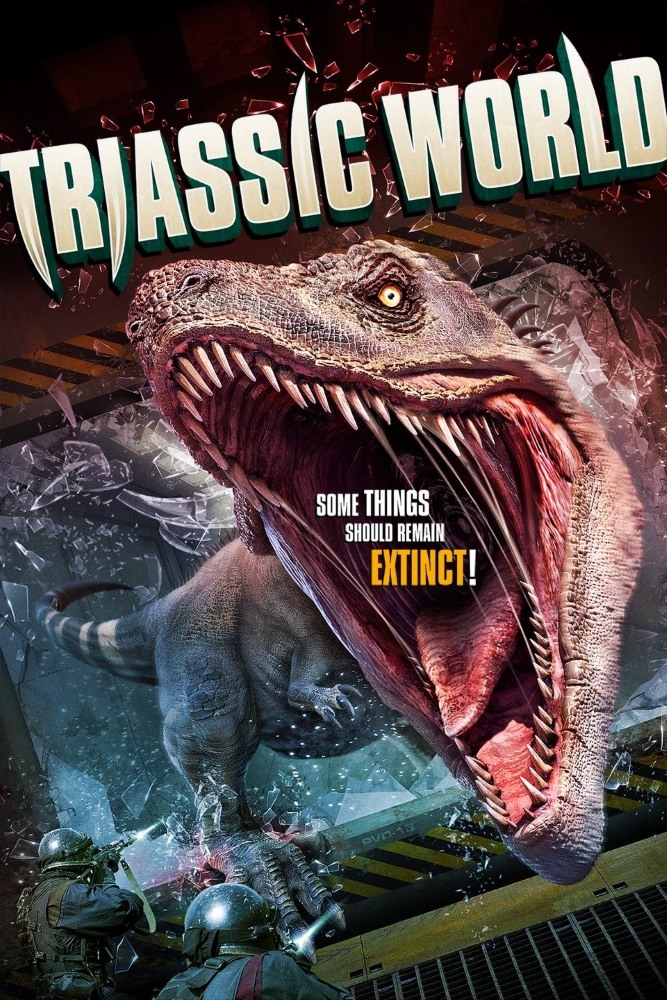
A mockbuster from The Asylum that was designed to capitalise on the release of Jurassic World: Fallen Kingdom, this is a low-budget CGI dinosaur film that is slightly better than most
The Strange Hostel of Naked Pleasures (1976)
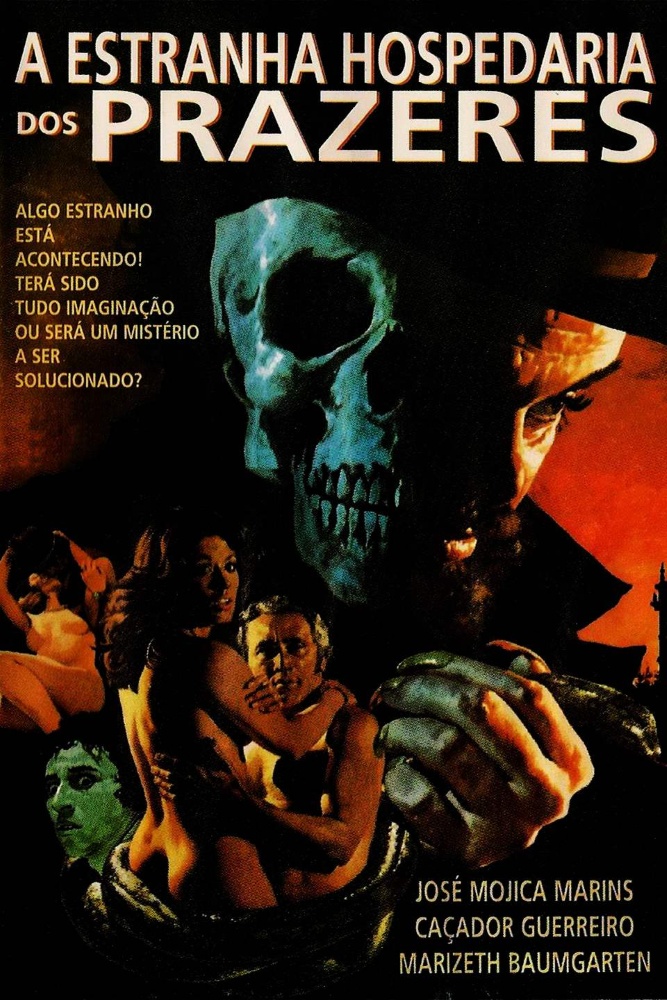
Jose Mojica Marins, the cult Brazilian director/actor best known as the demoniac undertaker Ze do Caixao/Coffin Joe, presides over a hotel where the guests meet sinister fates
The Echo (2004)
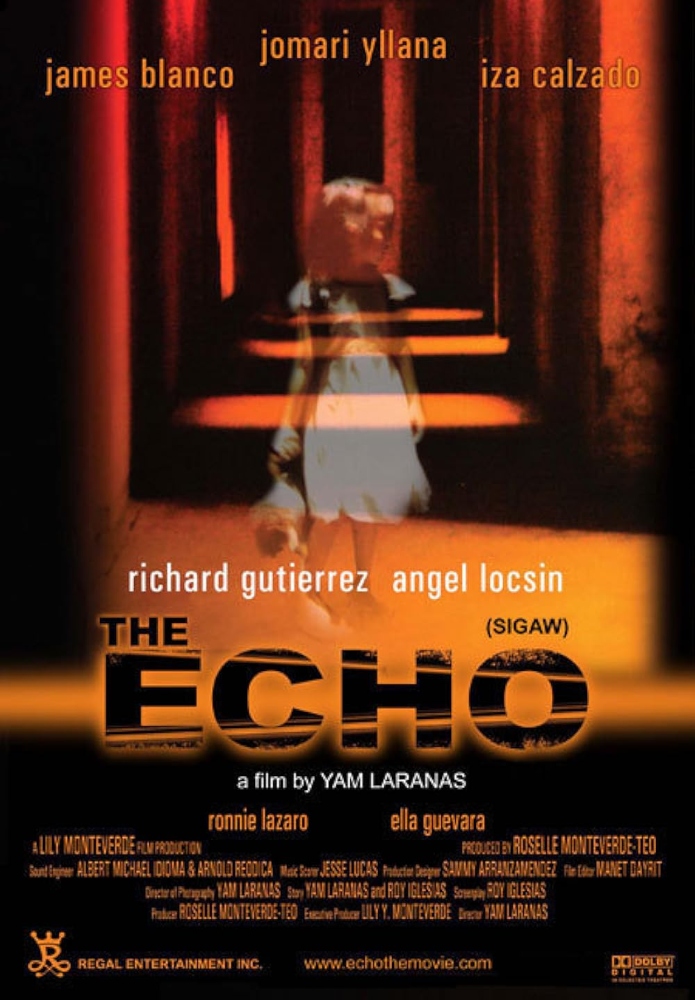
Filipino ghost story inspired by The Ring and Ju-on films that later underwent an English-language remake, this generates a reasonable haunted atmosphere in its story about mysterious happenings in an apartment building
Brightwood (2022)
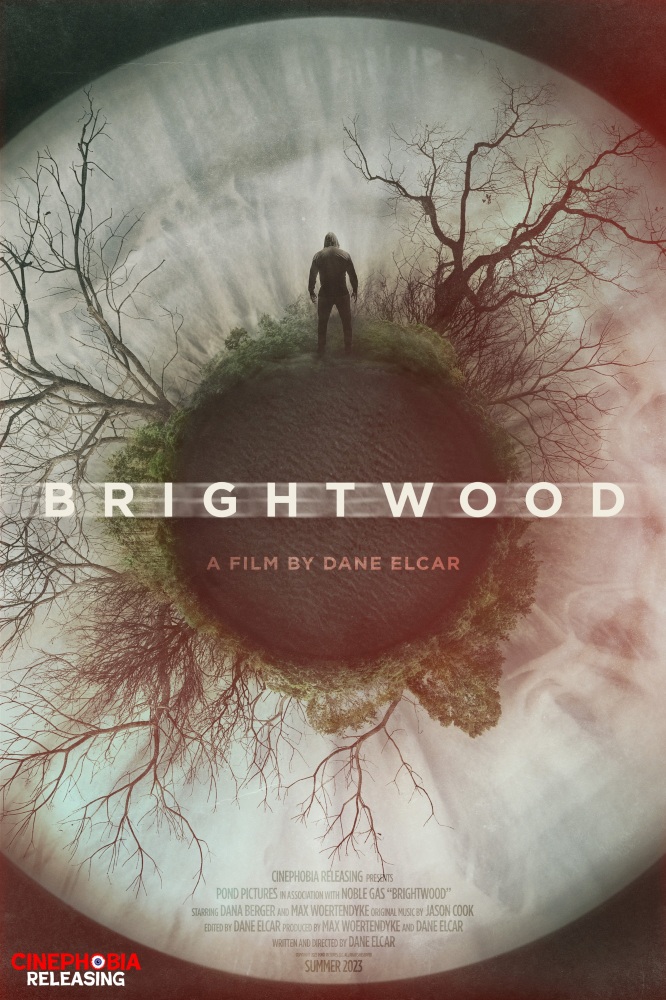
Remarkable little film where a couple go for a jog only to find they are trapped on the same stretch of trail in the woods by the lake where time starts looping around on itself in strange and increasingly sinister ways
Sew Torn (2024)
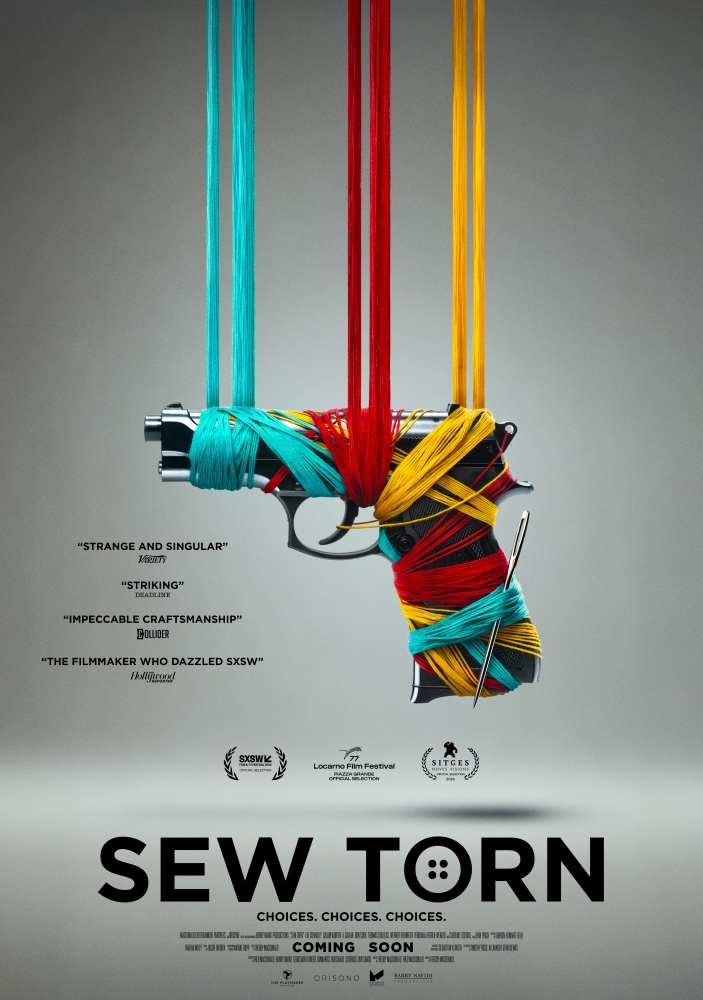
A unique film about a seamstress who is wound up in a drug deal gone wrong and improvises solutions with her needle and thread. Like Run Lola Run, this rewinds to offer very different versions of events
The Long Walk (2025)
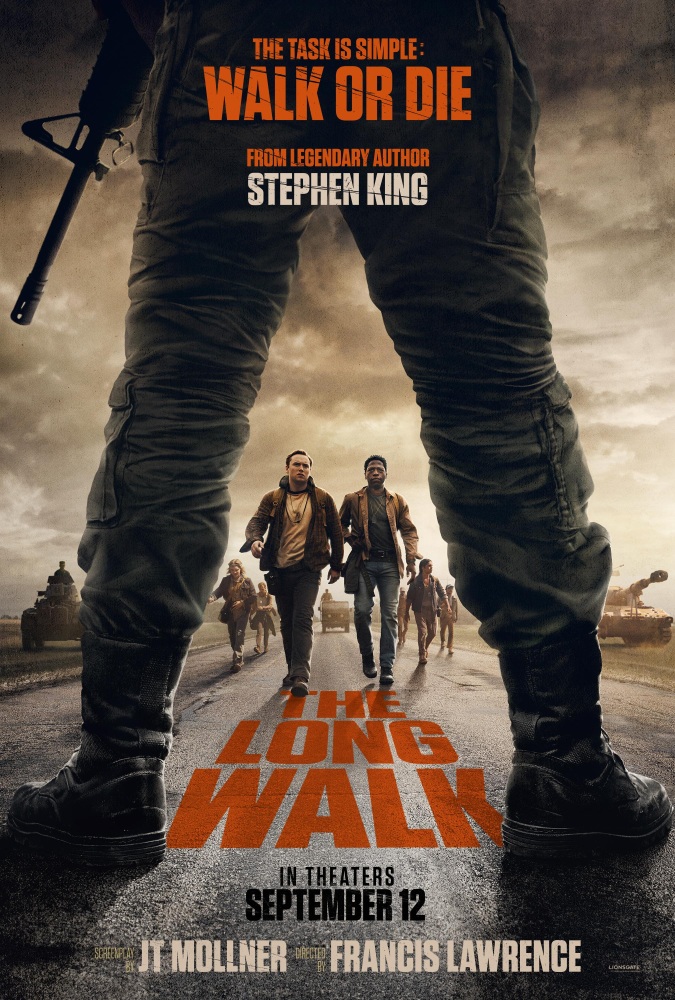
An adaptation of Stephen King’s Richard Bachman novel set in a future where youths compete in a race where they must walk hundreds of miles without stopping or else be shot
Night of the Reaper (2025)
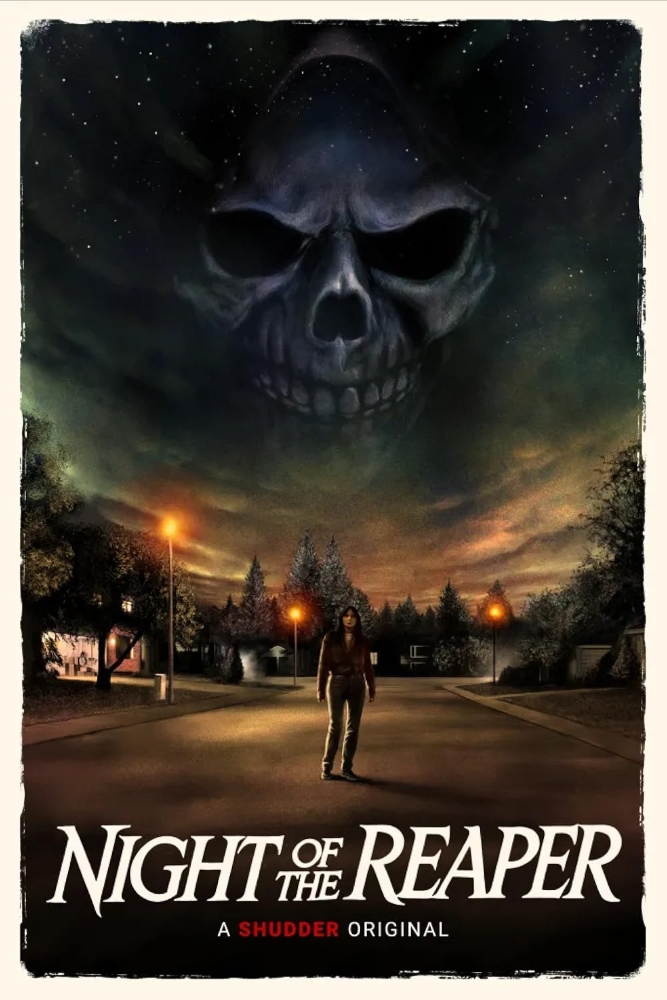
An effective little slow burn film that settles in with the promise of being a standard entry with a babysitter being stalked on Halloween night. However, this proves to be a film that turns all your expectations on their head
Dark Harvest (2023)
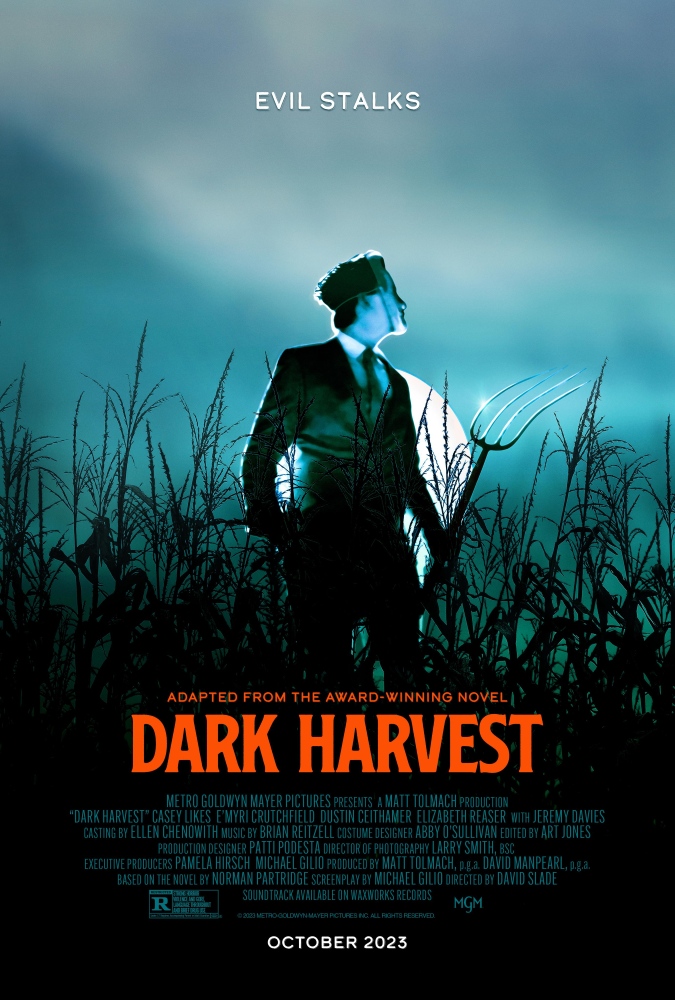
David Slade seemed a promising directorial name several years ago with works like the charged Hard Candy, before making Twilight films and being lost in tv. Here he returns with a film set around a small town’s deadly Halloween rituals
The Vampire Happening (1971)
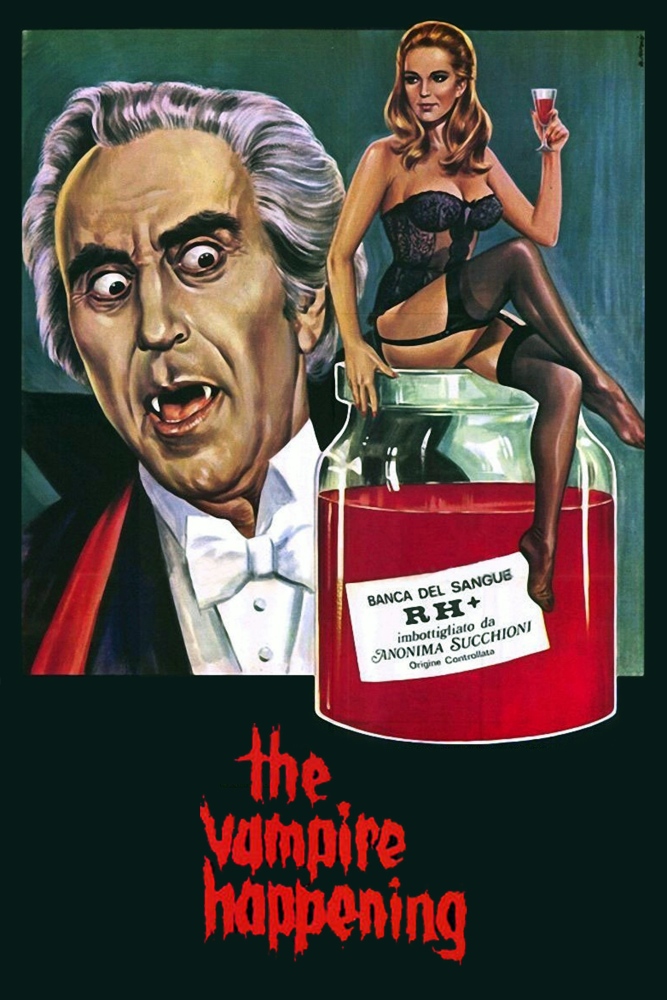
Freddie Francis was one of the finest stylists of the Anglo-horror cycle. Here he makes a comedy spoofing the vampire film that comes out feeling like Benny Hill routines running around a big castle
Amphibian Man (1961)
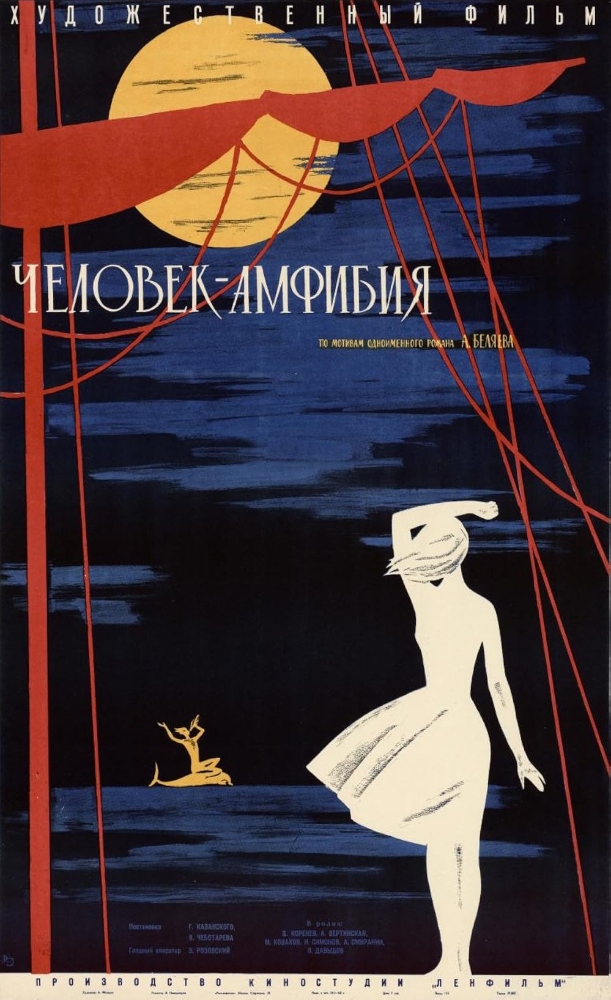
The Russian Aquaman. One of the most popular hits from the Soviet Union, a film about a merman who comes onto land to woo a woman. Said to have influenced Guillermo del Toro with The Shape of Water
The Exorcism in Amarillo (2020)
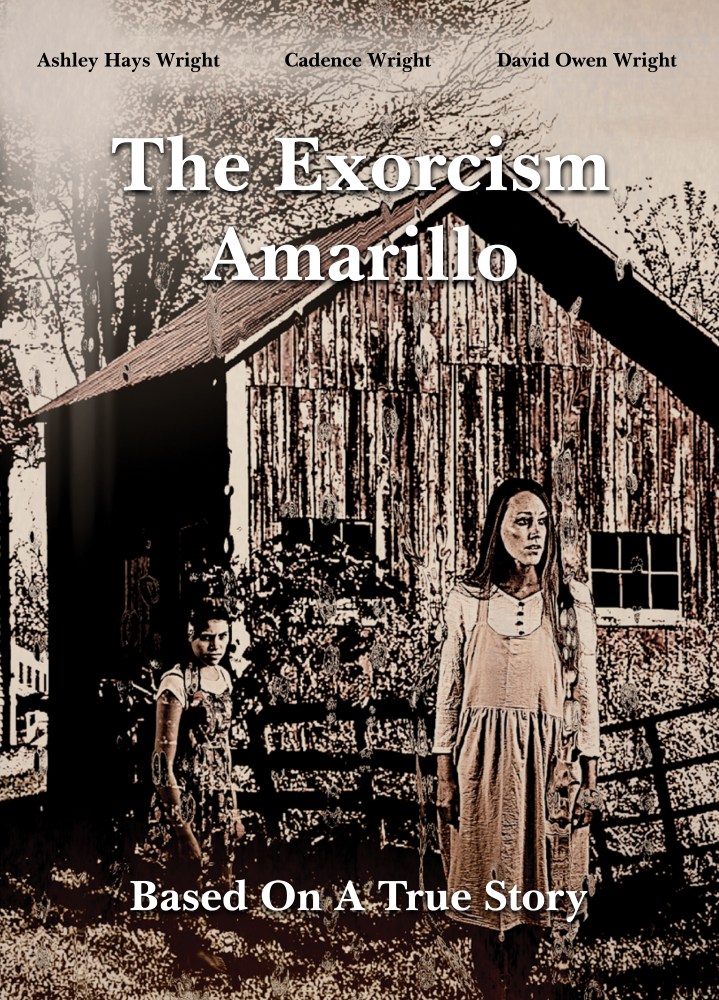
The worst exorcism film ever made. A completely ridiculous Christian evangelical film about a good God-loving American family under attack by malevolent spirits emerged from a second-hand book on witchcraft! Supposedly based on a true story
Mars Express (2023)
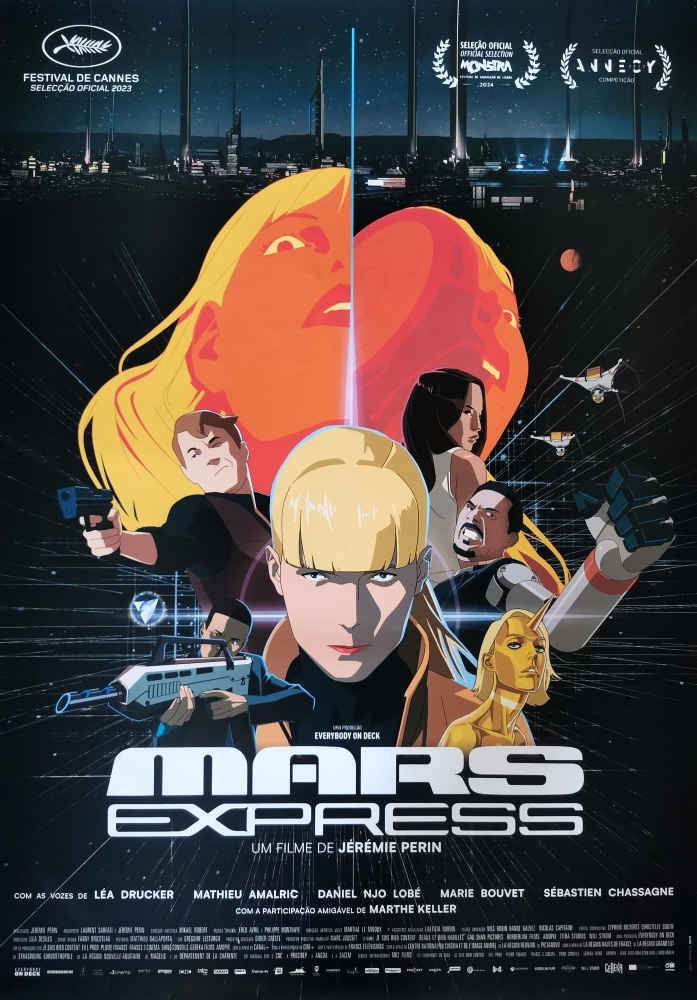
A French animated film, SF noir set on a future Mars with hard-boiled detectives fighting against someone who is jailbreaking robots. This deploys a strong and confident use of Cyberpunk tropes
Monster: The Ed Gein Story (2025)
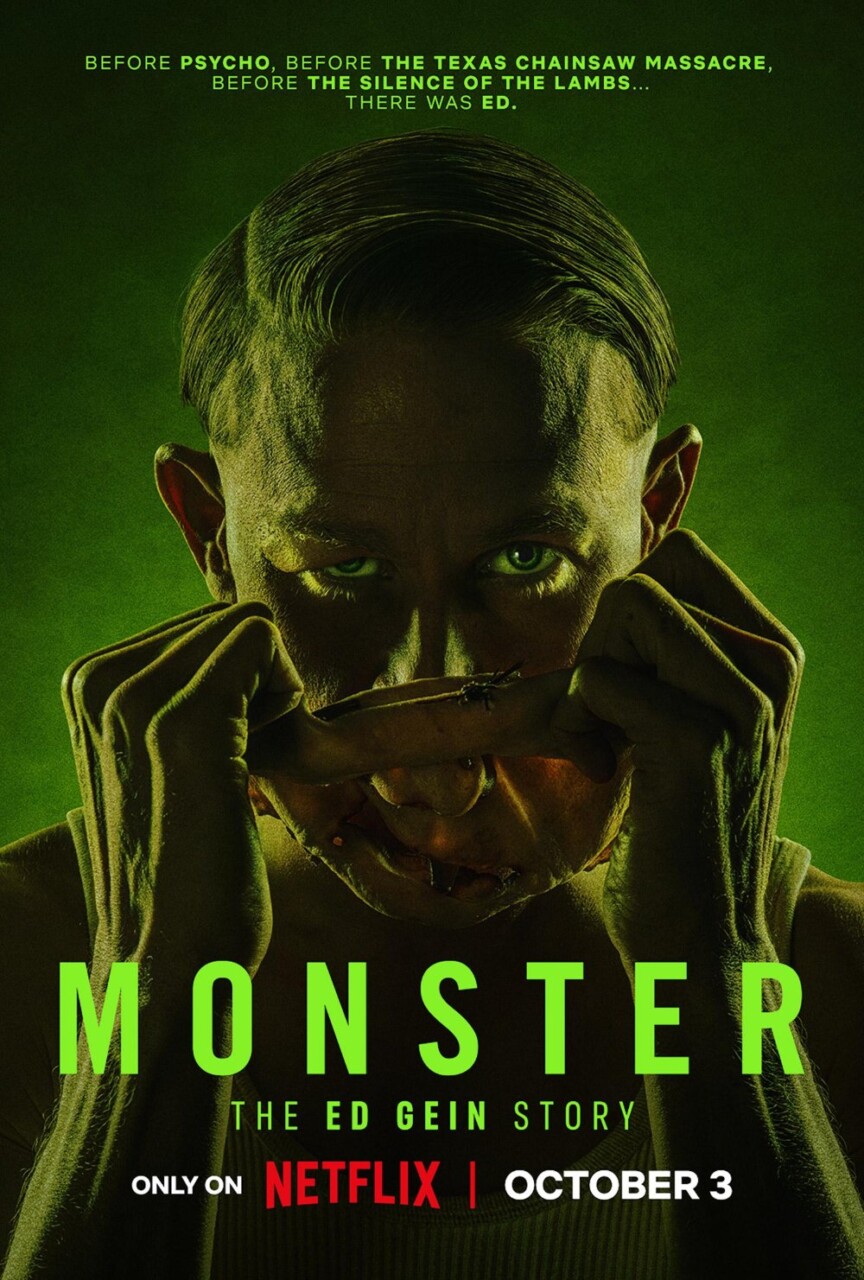
An eight-episode tv mini-series based on true-life necrophile/grave robber Ed Gein. This expands the story out and considerably embellishes the facts but is one of the most outrageously out there pieces of tv watching you will ever come across
The Strangers: Chapter 2 (2025)
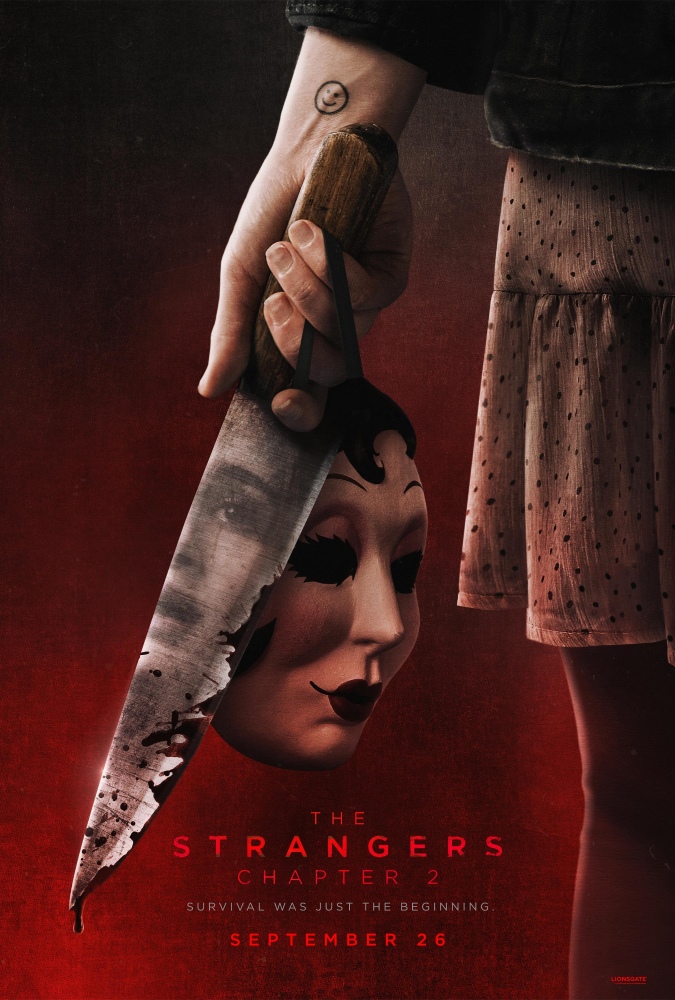
The Strangers was an incredibly eerie home invasion story that has become a modern classic. This is the second chapter in a trilogy of reboot films that have been handed over to the perpetually terrible Renny Harlin
Power of Grayskull: The Definitive History of He-Man and the Masters of the Universe (2017)
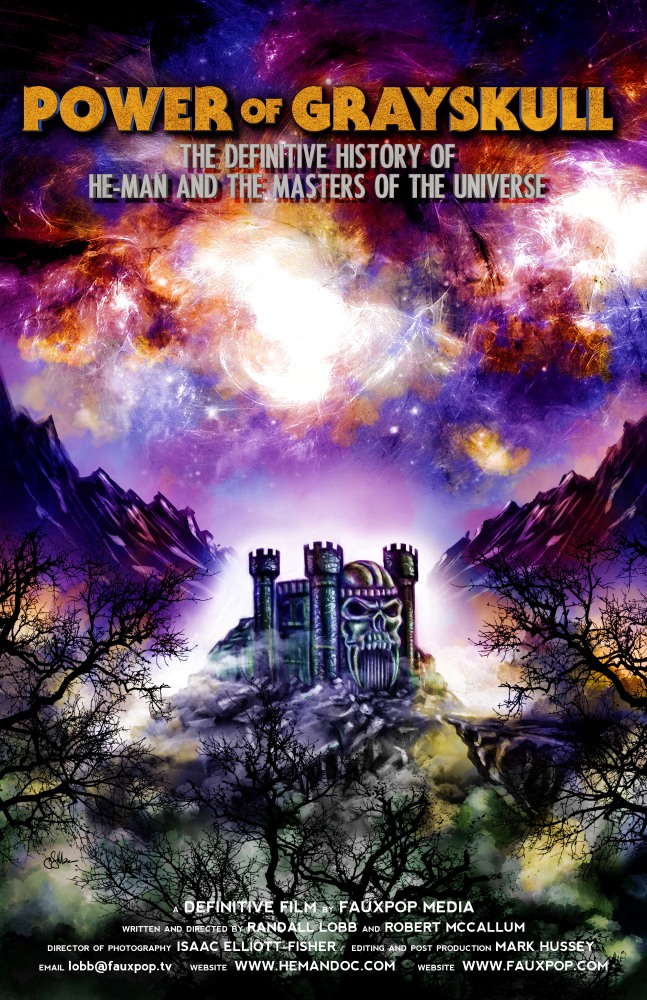
A documentary about the He-Man and the Masters of the Universe phenomenon. This covers everything from the origins of the toys through the animated series to the live-action film
Rectuma (2003)
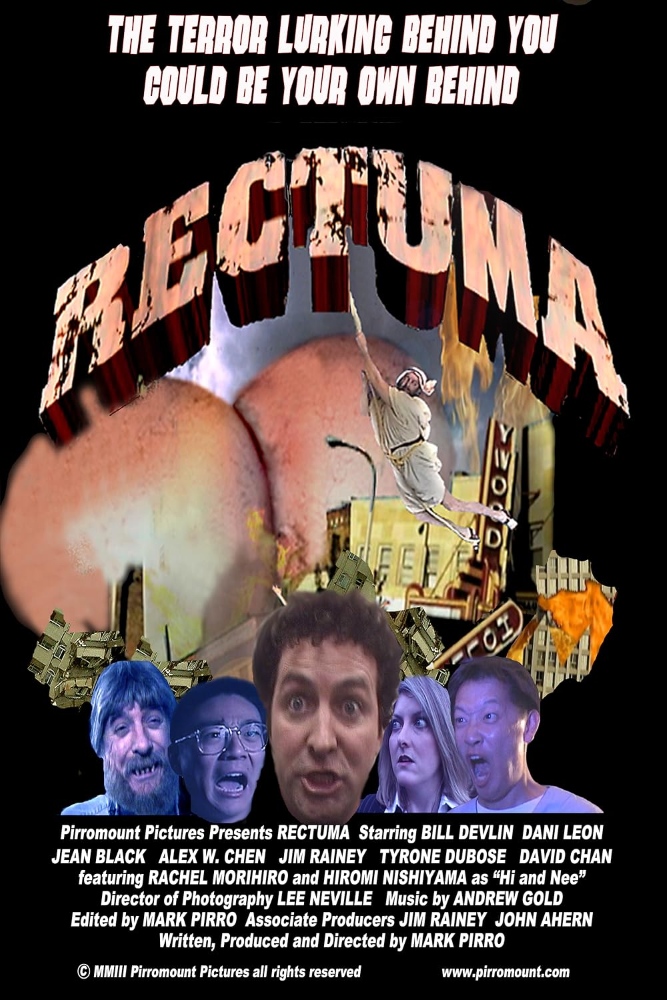
The sort of film that might make Troma radioactive green with envy they didn’t make it concerning a giant rampaging ass. Mind-boggling and willing to be stupid and in frequent bad taste
Habit (2017)
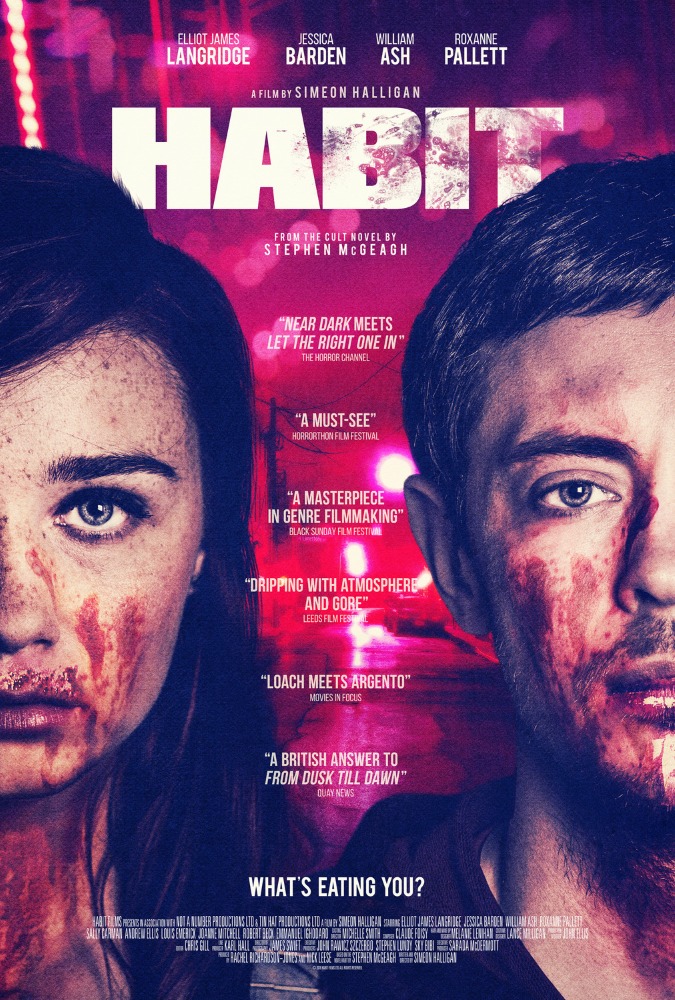
Undeniably effective film set in Manchester where a young man is drawn into a secret world of people that live on the edges of society and enjoy eating human flesh.
Terra Incognita 1901 (2024)
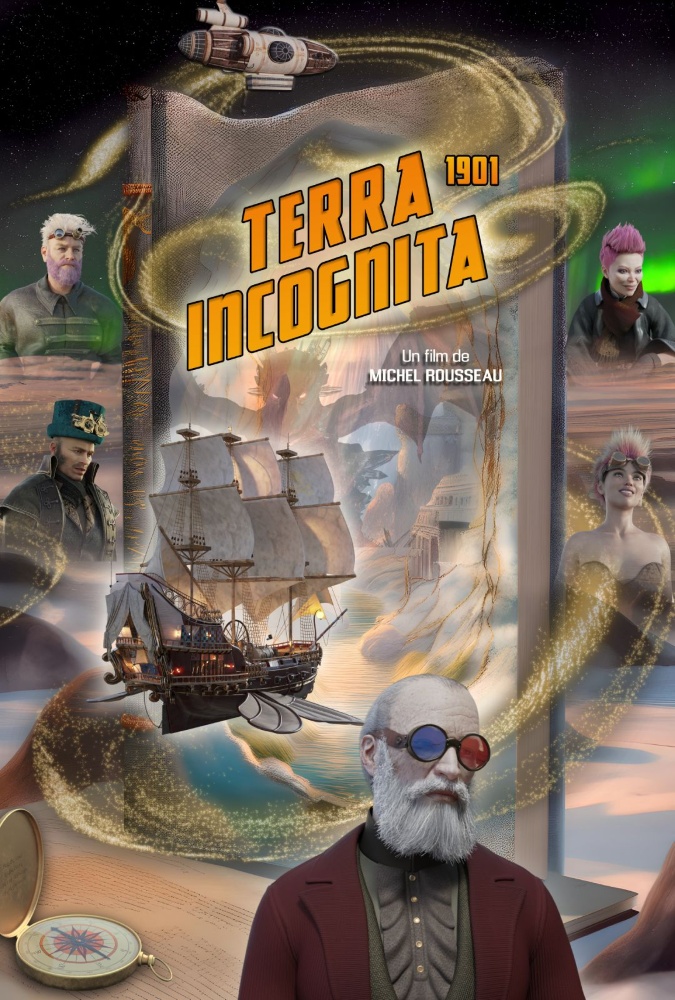
A very nicely animated French Steampunk film about an expedition aboard a steam airship to explore the secret entrance to an underground world in the Antarctic. A computer animated film all made by one person.
The Conjuring: Last Rites (2025)
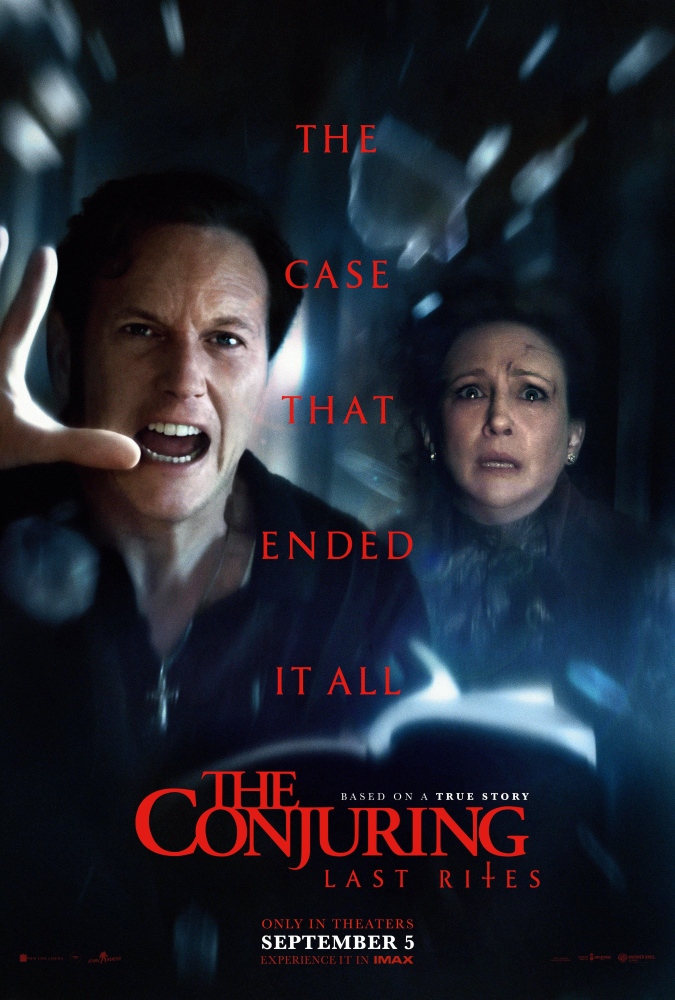
Another supposedly true story from the casebook of the psychic investigator frauds Ed and Lorraine Warren. James Wan’s first two entries were eerily haunting; by now, the constant profusion of effect becomes overkill that produces no results at all
Him (2025)

The idea of a horror film set around US football kind of leaves you scratching your head – the two don’t seem to go together. Produced by Jordan Peele, this comes out somewhere between Any Given Sunday and The Neon Demon
Operation Ganymede (1977)
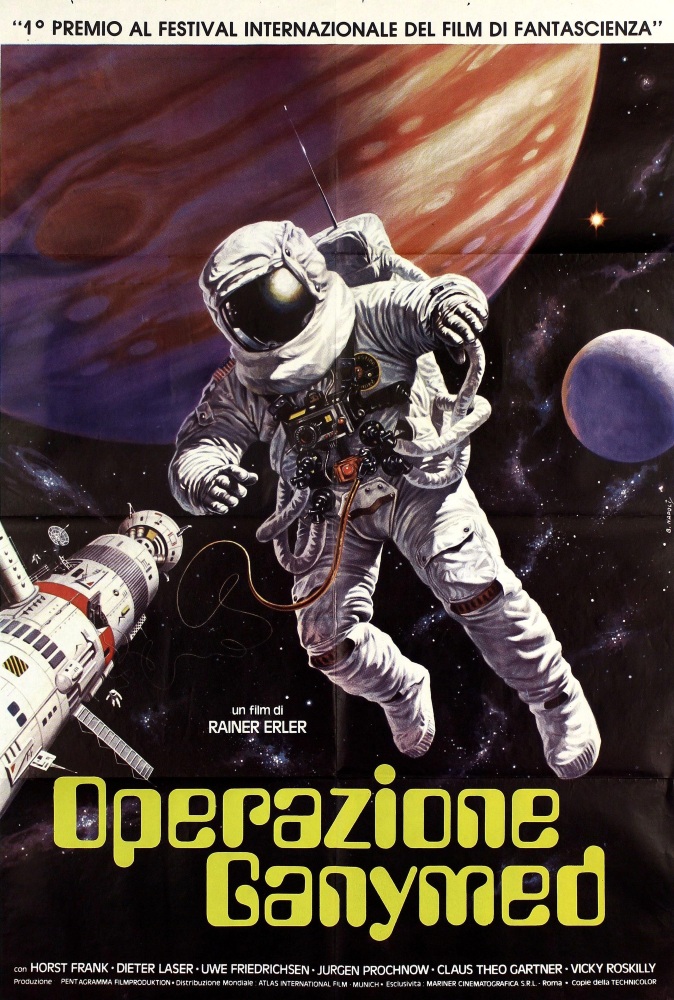
A West German-made film where a space mission to Jupiter returns only for the crew to find the Earth deserted. This captures something of the original Planet of the Apes in its better moments
The Dawnseeker (2018)
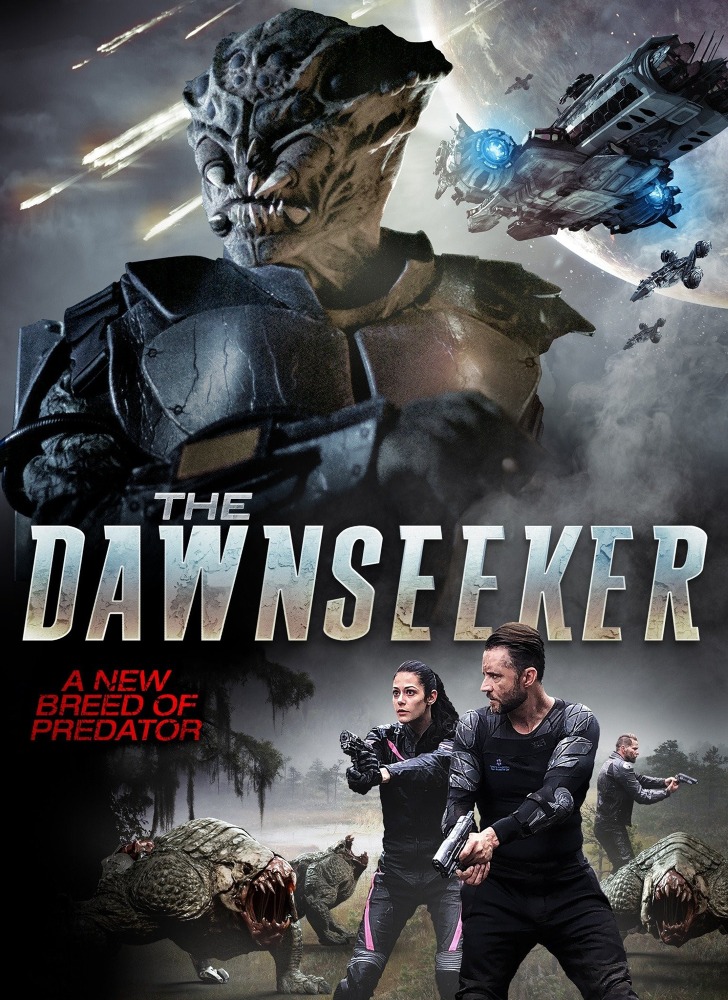
A low-budget film about a group of soldiers crashed on another planet where they find themselves hunted by an alien. This channels the basics of Predator
Daughter of Dr. Jekyll (1957)
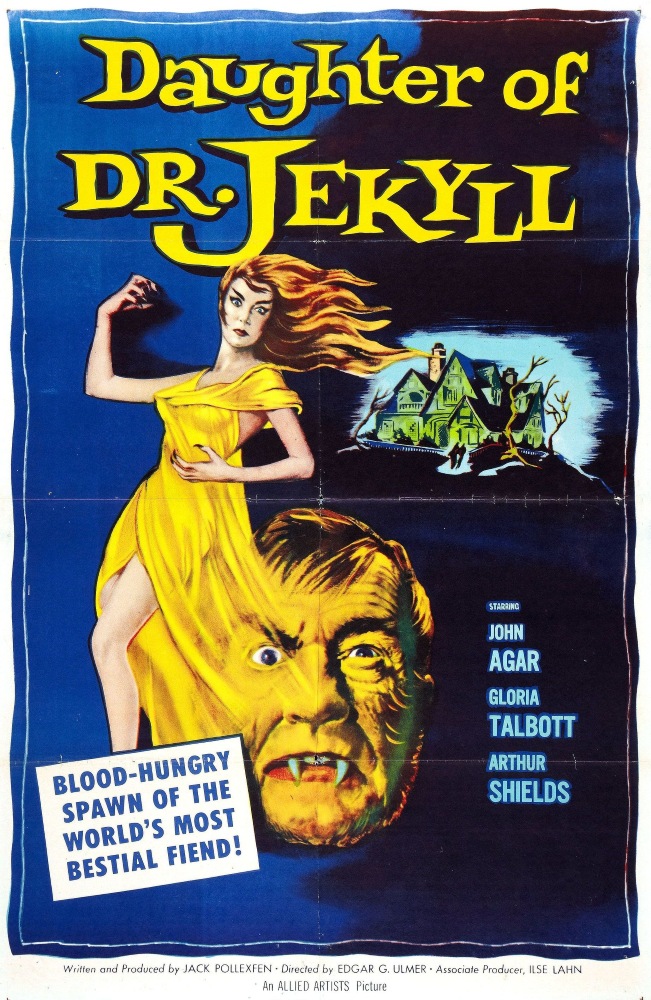
From cult director Edgar G. Ulmer, a film ostensibly pitched as a sequel to the Jekyll and Hyde story focused on his daughter where it is revealed that Dr Jekyll was actually a werewolf!
Hammersmith is Out (1972)
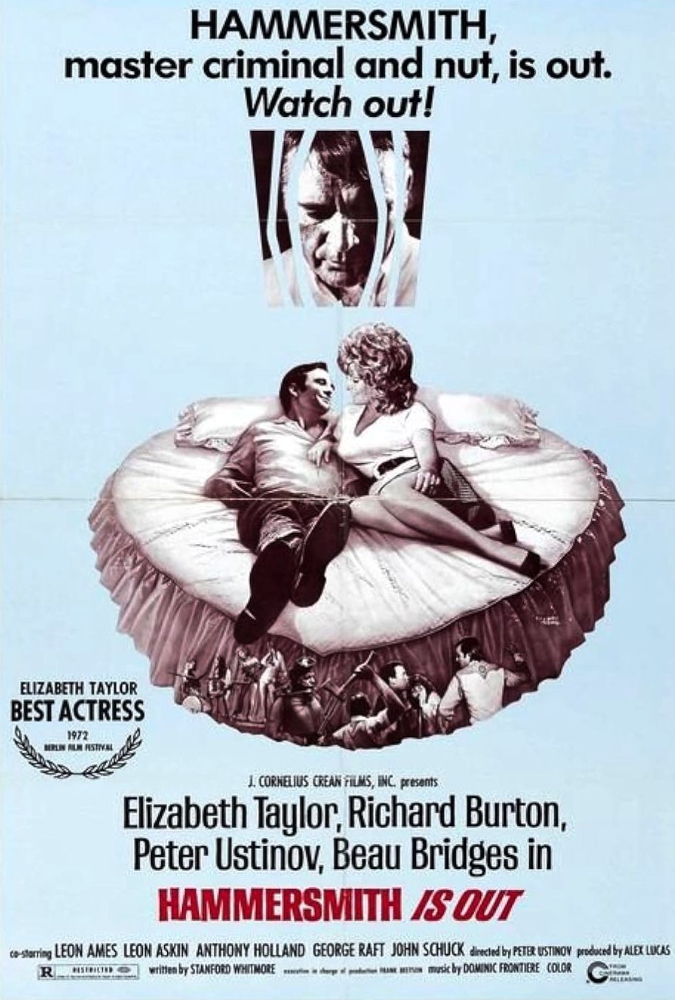
One of the few flops that Richard Burton and Elizabeth Taylor made, a broad satire where Burton plays a Devil figure who makes an escape from asylum, leaving a trail of bodies across the country as he makes his way up to control the presidency
The Soul Eater (2024)
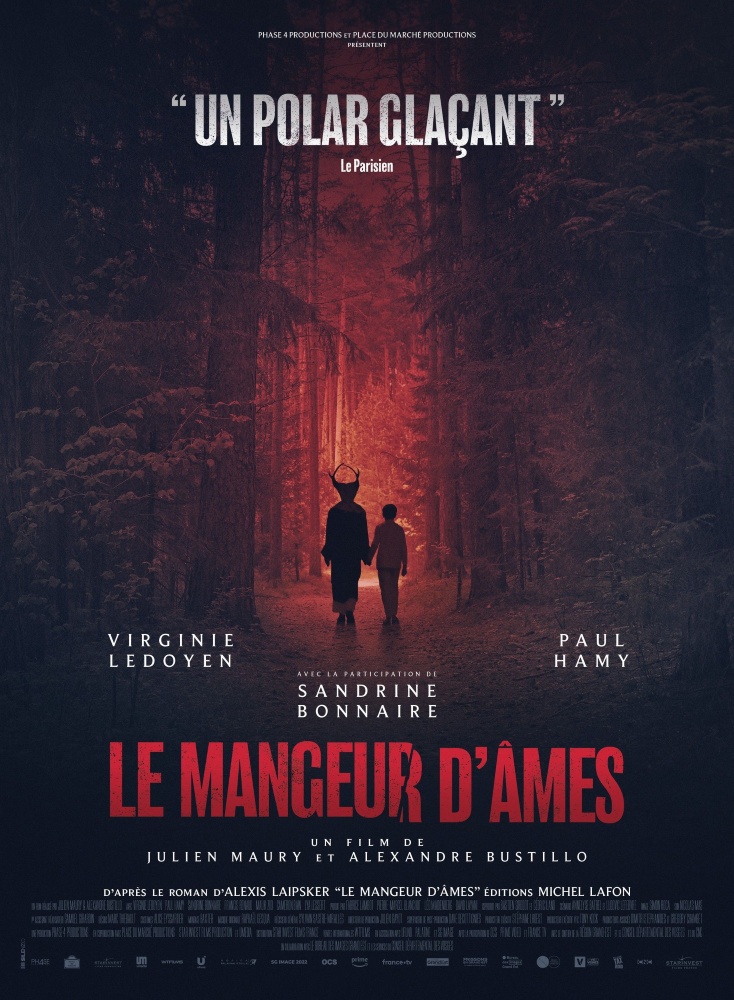
A French police procedural where detectives are plunged into a series of bizarre murders involving a child sacrifice cult and a folk boogeyman. From the directorial duo who started the whole French Extremism movement with Inside
The Deep Dark (2023)
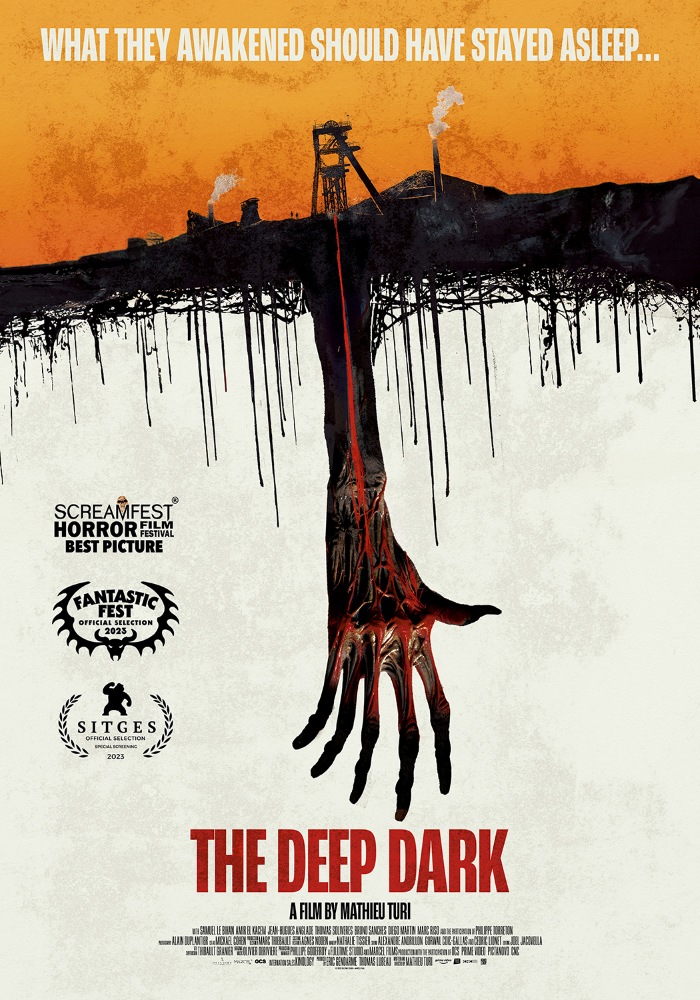
From the director of the standout Meander, a dark and claustrophobic film set in the 1950s about miners disturbing a Lovecraftian entity buried in the depths of a mineshaft
Parallel (2024)
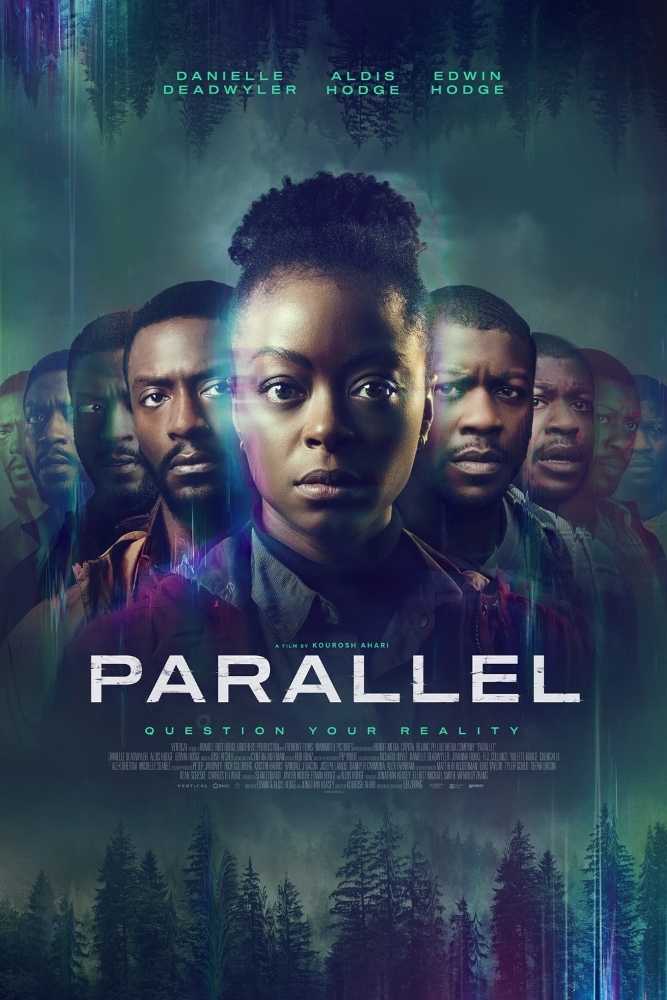
A variation on the multiverse film – not the Marvel Comics version, more the Everything Everywhere All at Once version – where Danielle Deadwyler enters a forest portal and returns to realities that vary in minute but increasingly alarming ways
The Toxic Avenger (2023)
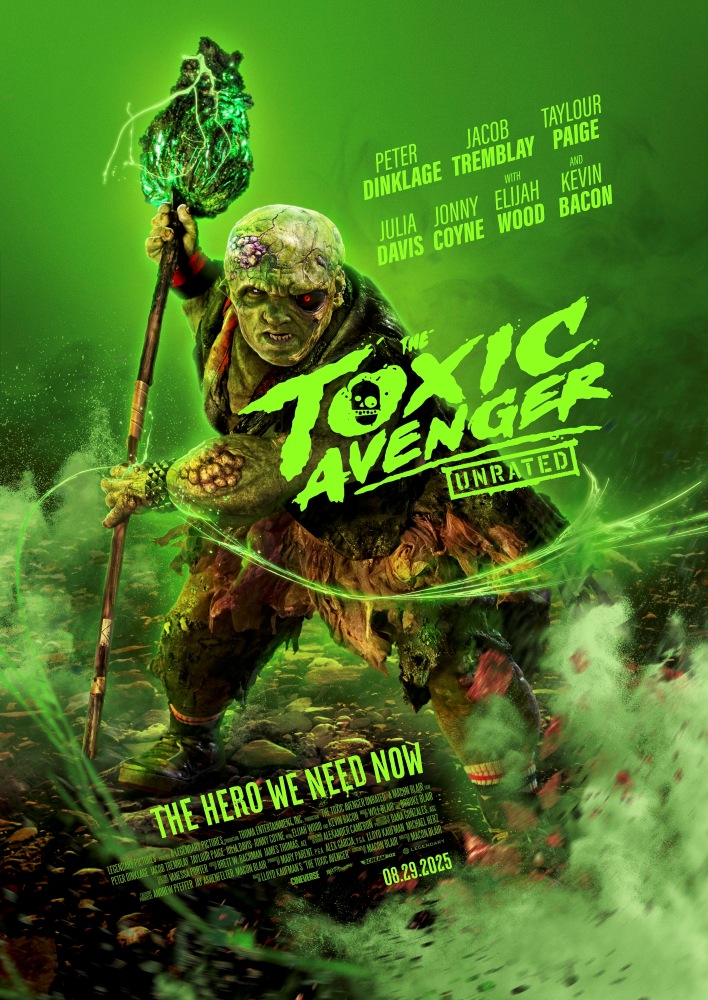
A remake of the work that launched Troma films. The original The Toxic Avenger was a gungily nasty film that readily trod way over all lines of good taste. In being cast with name stars, this has been cleaned up considerably
Aztec Batman: Clash of Empires (2025)
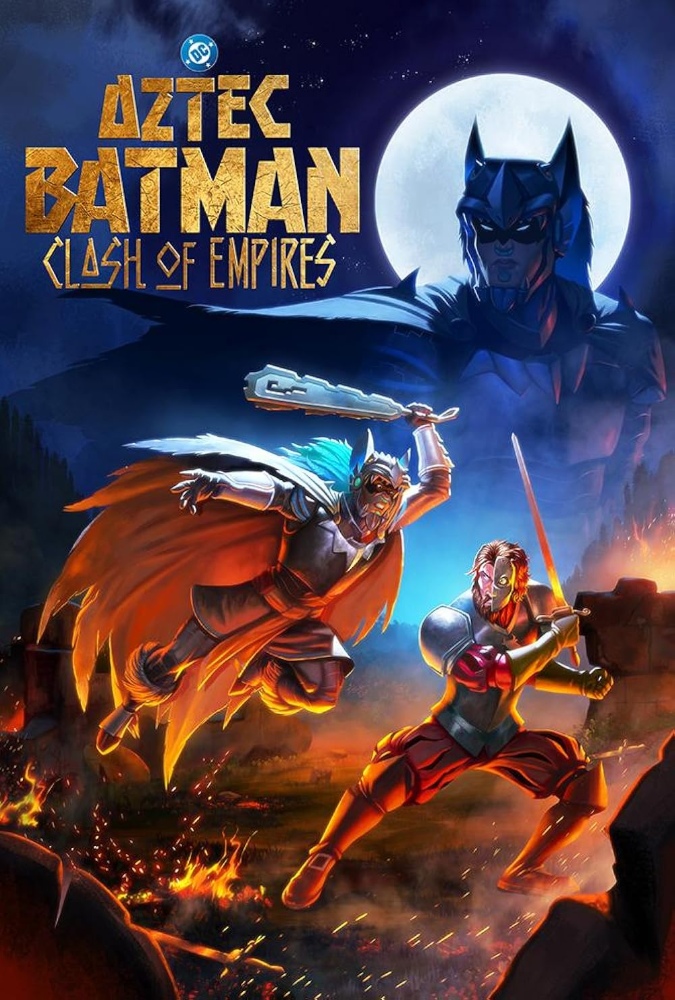
A real oddity among the Batman animated films – one where the basics of the Batman mythos are translated into Aztec culture at the time of the arrival of the Conquistadors. The film has to conduct some strange contortions to make the characters work
Steel and Lace (1990)
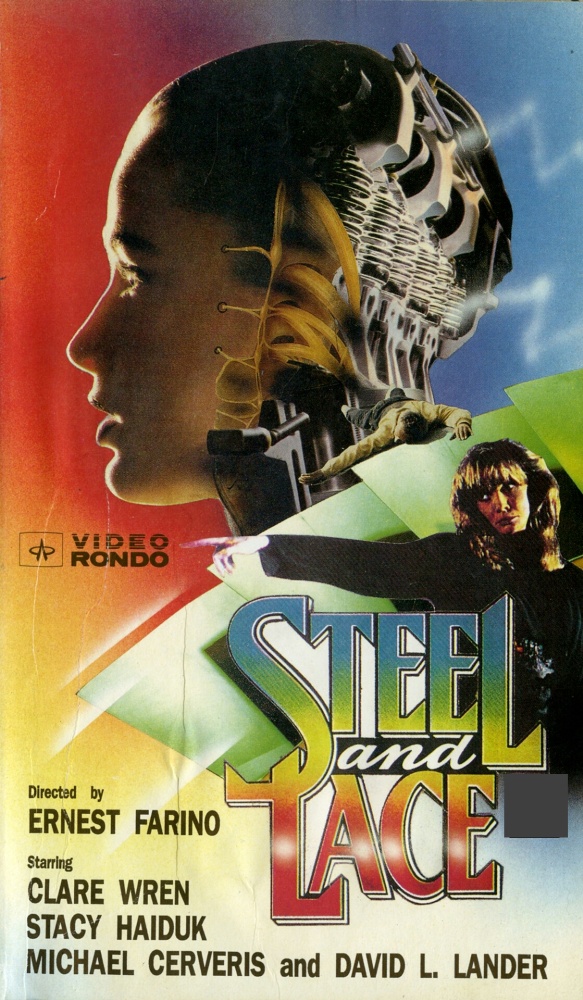
One of the killer android/cyborg films from the genre’s 1990s heyday. This comes with a tasteless concept where a raped woman kills herself and is then resurrected as an avenging cyborg. A bizarre melding between killer cyborg film and I Spit on Your Grave
Chrome Angels (2009)
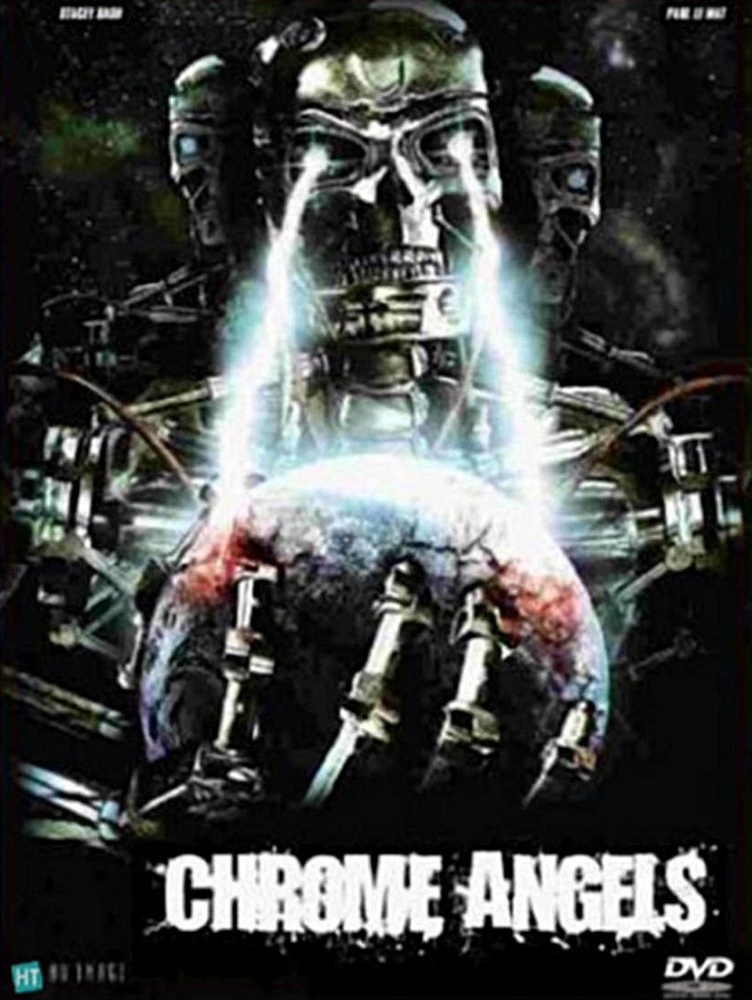
Hearkening back to the spirit of 1980s B budget killer cyborg/android movie, an entertainingly preposterous film in which a girl biker gang are pitted against a mad scientist and his army of killer androids
Jack Frost 2: Revenge of the Mutant Killer Snowman (2000)
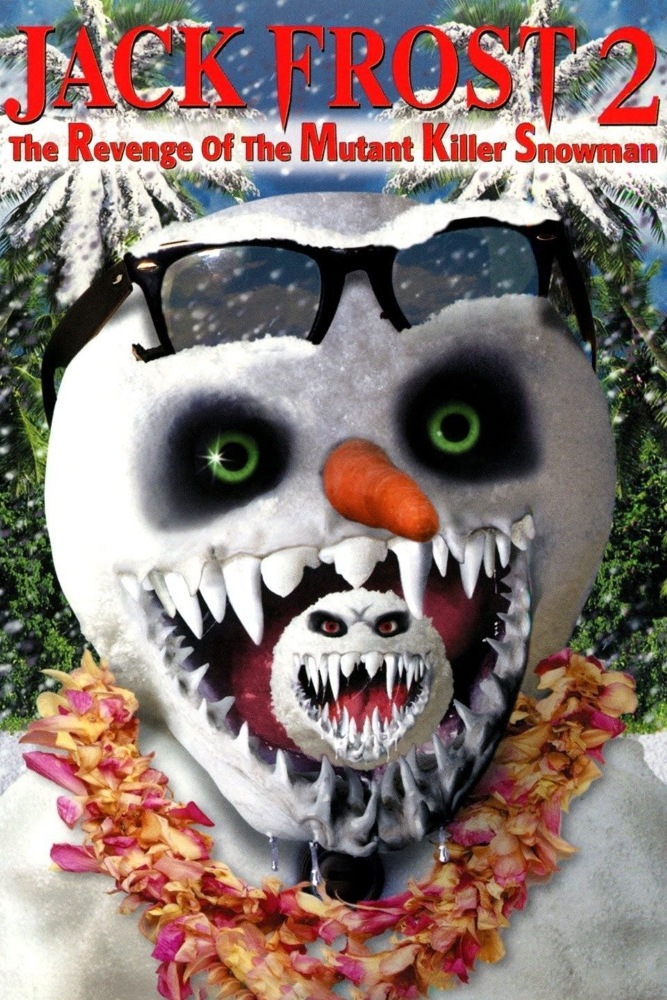
Jack Frost, not to be confused with the Michael Keaton film of the same name, was an amusing horror comedy about a killer mutant snowman. This is a sequel that takes Jack to a beach resort in Hawaii
The Return of Dr. Fu Manchu (1930)
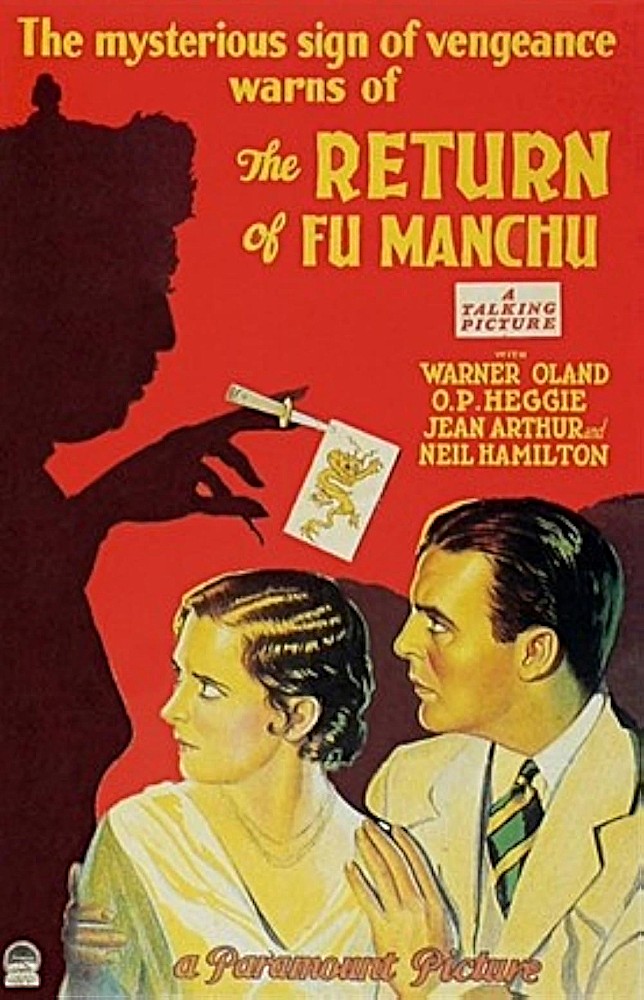
The second of the films made about the Chinese super-villain Fu Manchu, the first made in sound. This is where the film series started to find itself, turning in some superlative thrills and a wonderful battle of wits between hero and villain. Pulp thrills at their best
The Stranger (2022)
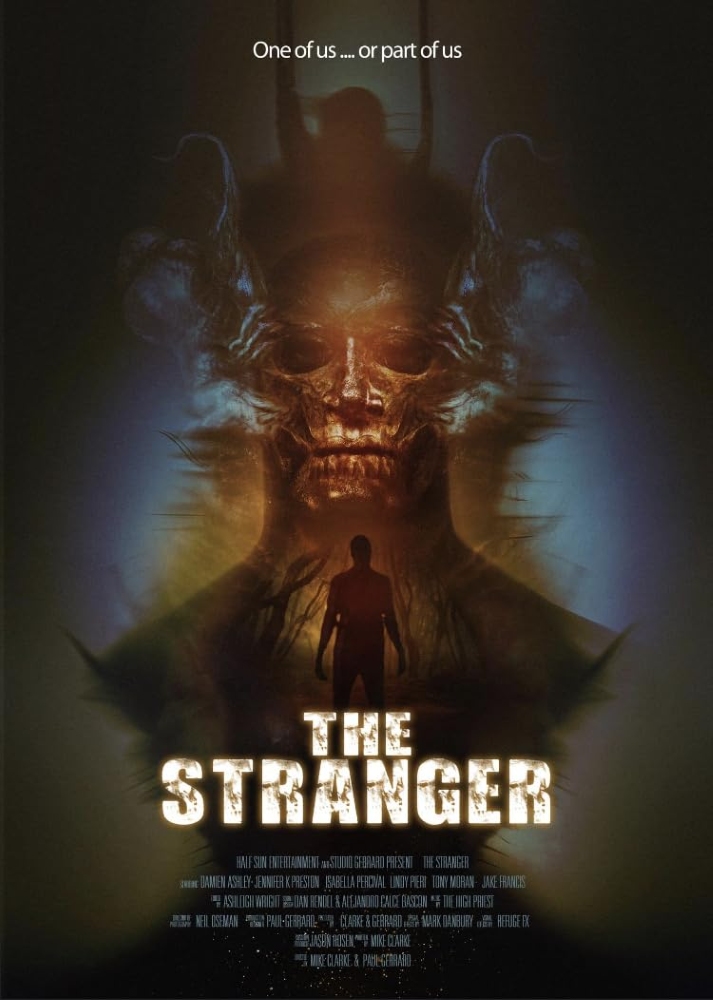
A British film about a mother and daughter who open a B&B only to be taken hostage by a mysterious stranger on the run from sinister forces
You’ll Never Find Me (2023)
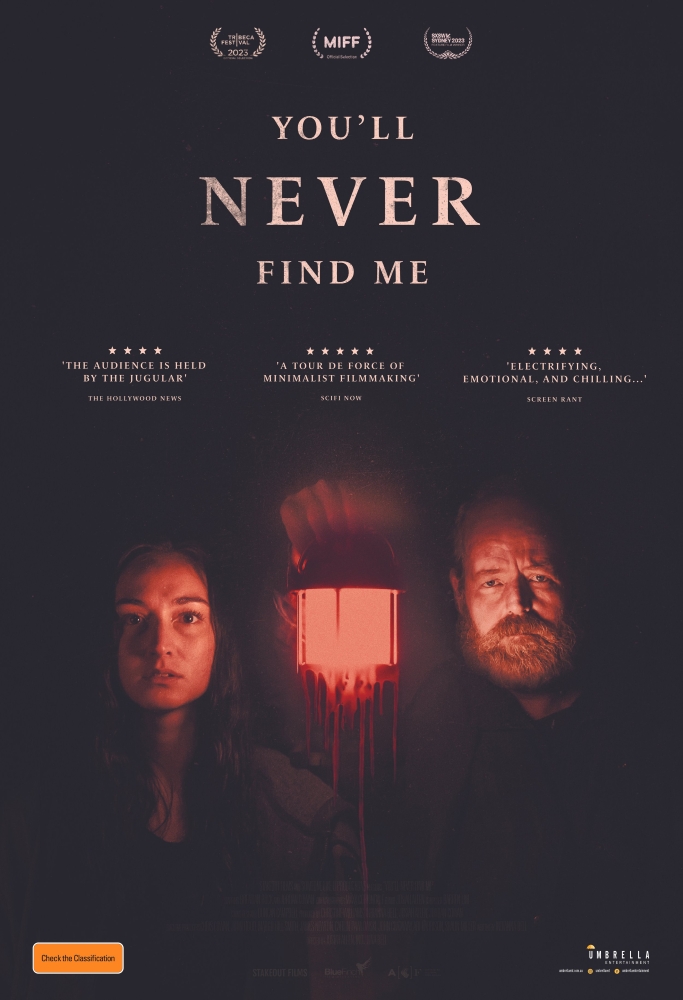
Australian film where a girl turns up at the trailer home of a recluse. A series of tense psychological games ensue where it becomes apparent neither of them are being truthful
V/H/S/Beyond (2024)
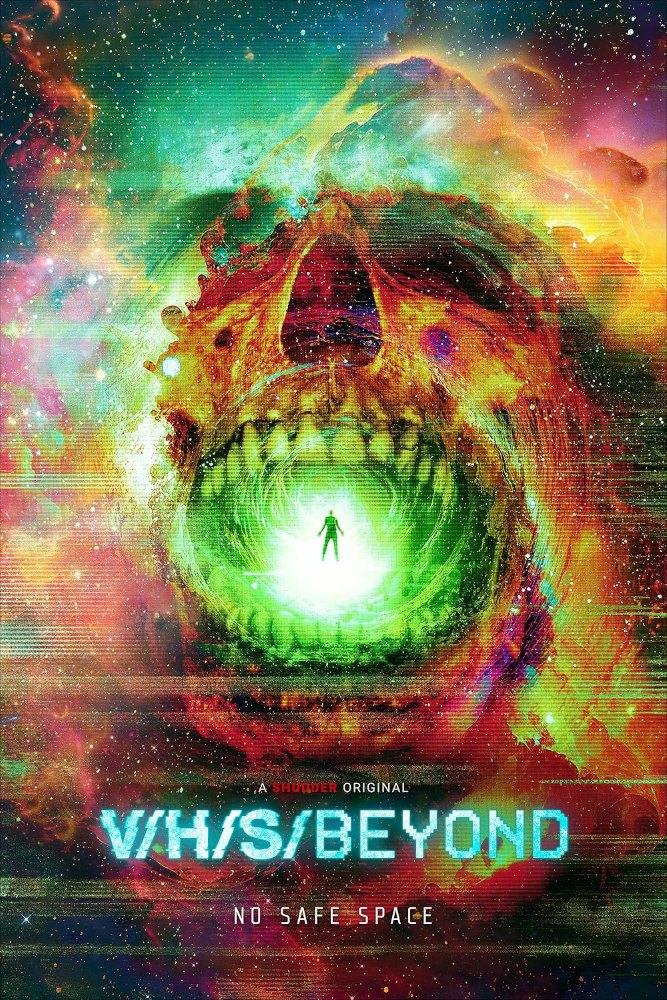
Seventh of the V/H/S Found Footage horror anthologies, this is one of the best with a number of the episodes venturing into SF and others that feature some genuinely outlandish moments
The Fantastic 4: First Steps (2025)
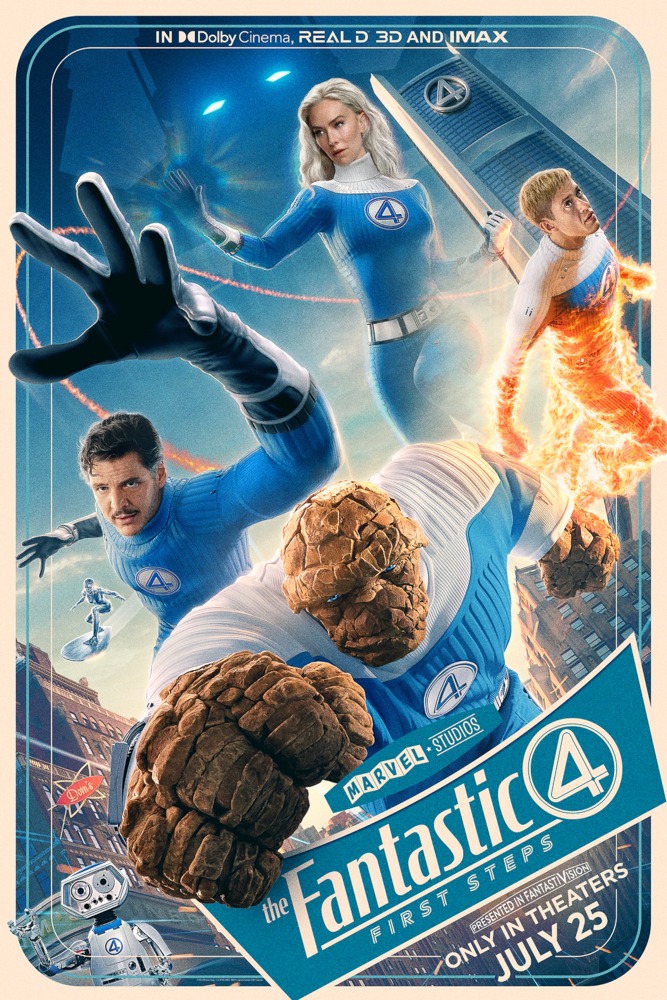
At long last after several other film incarnations that went nowhere, Marvel’s First Family make their first appearance in The MCU. The film creates a wonderful retro world of 1960s futurism based on their original comic-books for them to inhabit
Bambi: The Reckoning (2025)
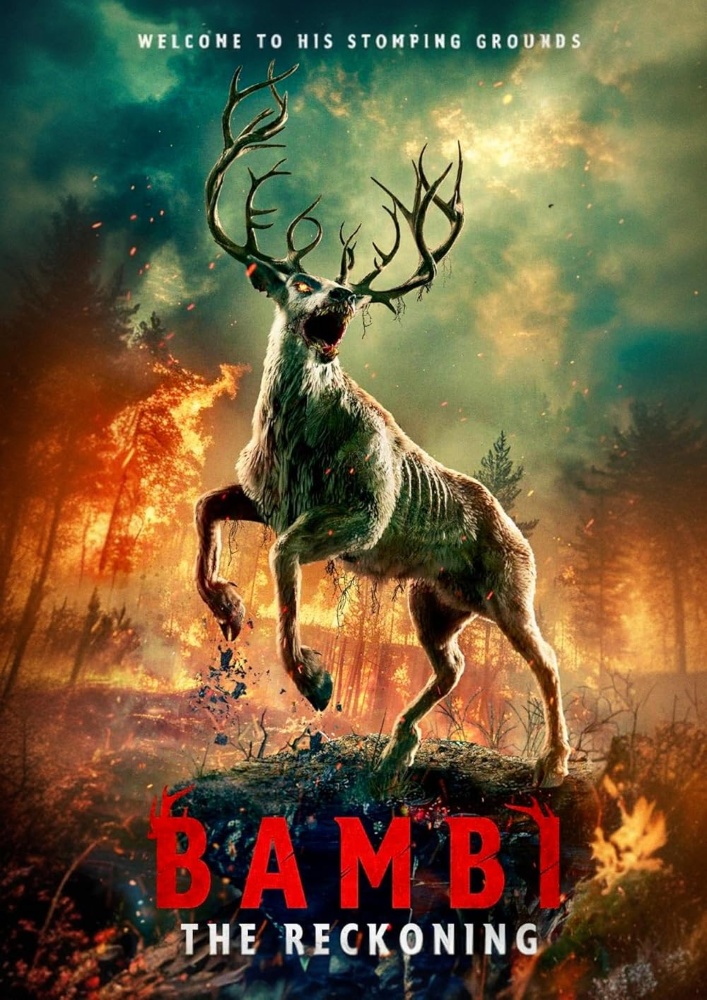
The people behind Winnie-the-Pooh: Blood and Honey offer up a savage take on another childhood favourite with a horror version of Bambi where Bambi becomes a mutated deer with a murderous hatred of humans
Return of Giant Majin (1966)
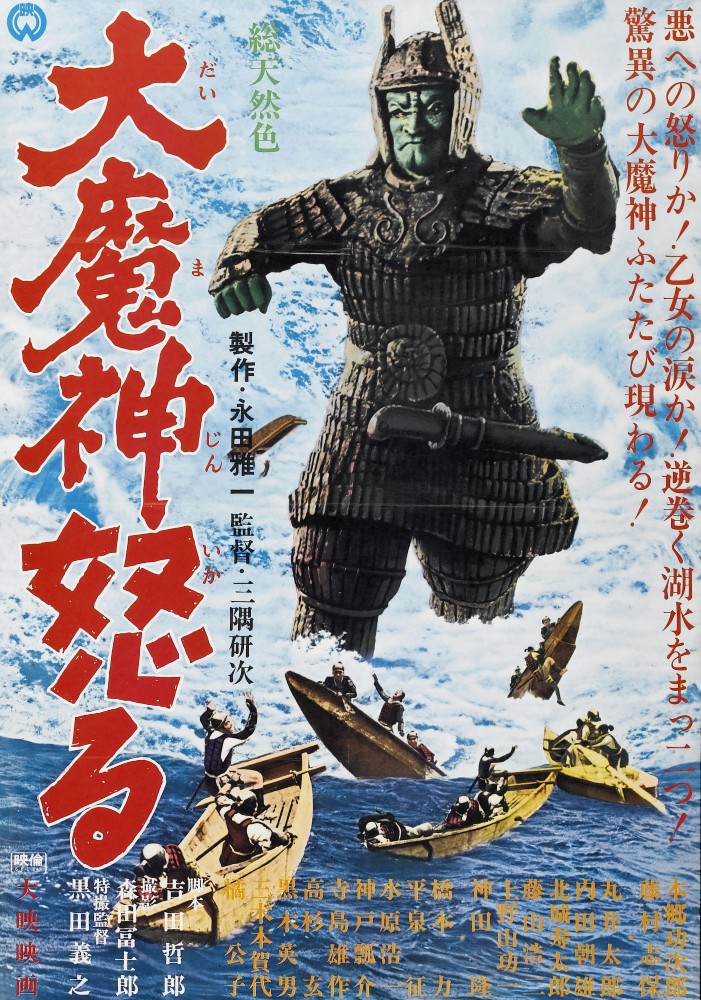
A Japanese monster movie with a difference. The second in a trilogy of films about a giant stone deity that awakens to defend villagers in trouble
Rebirth of Mothra II (1997)
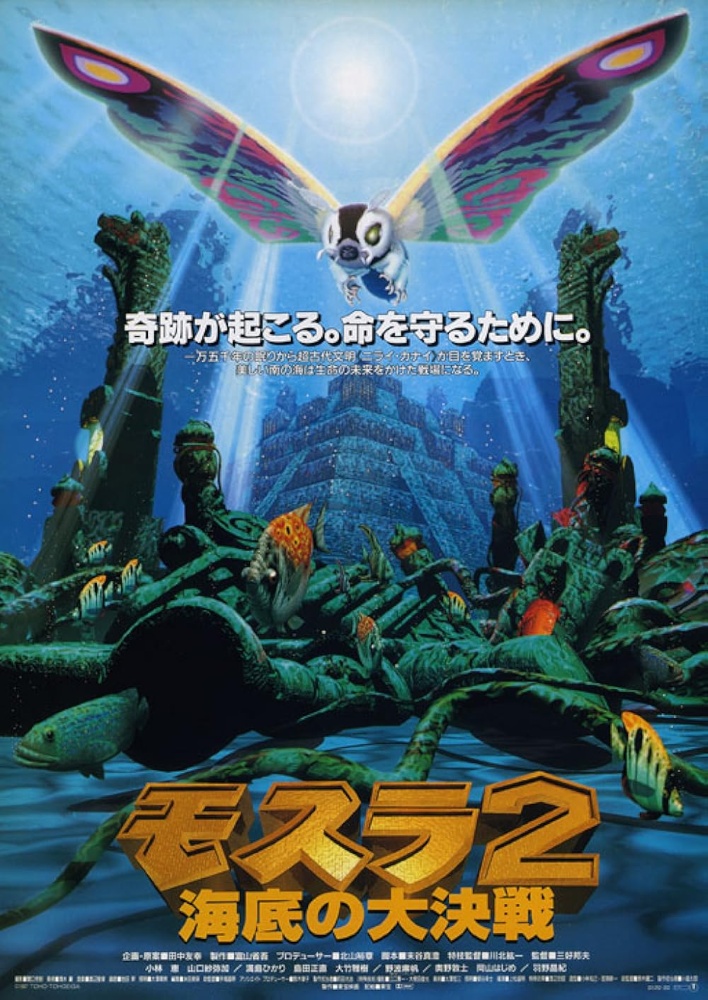
After their successful revival of Godzilla in the 1990s, Toho revived Mothra for a series of standalone battles, albeit with a very juvenile focus made for children. This was the second and better of the three films
All Cheerleaders Die (2001)
The first film of directors Lucky McKee and Chris Sivertson, concerning a troupe of cheerleaders who are killed and resurrected from the dead. The two later returned to conduct a better-budgeted remake
The Zodiac Killer (1971)
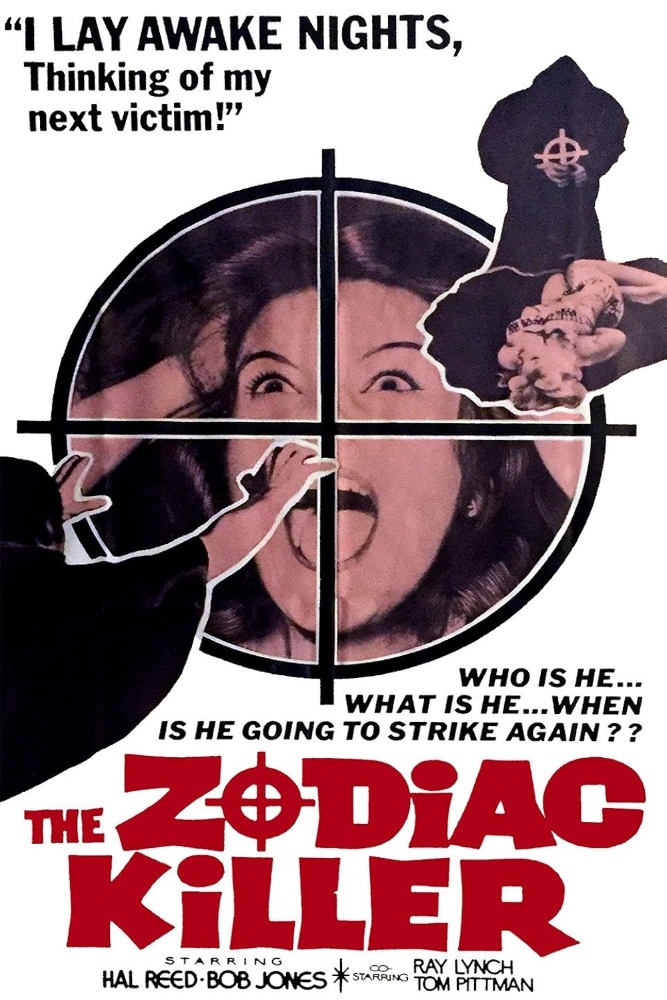
A film based on the Zodiac Killer. Unlike other Zodiac films, this was made while the killer was still active. The film comes with a rather fascinating backstory where it was made as part of an elaborate trap to lure the Zodiac Killer out
The Innsmouth School for Girls (2024)
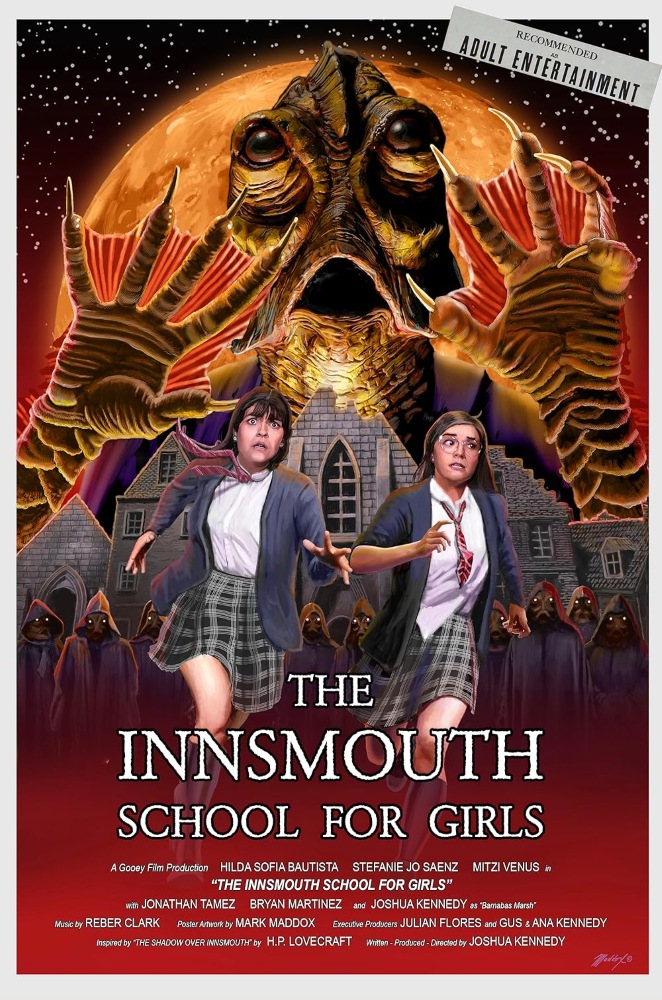
A low-budget adaptation of an H.P. Lovecraft story The Shadow Over Innsmouthabout a town where the locals have become mutant fish people. The film has had the weird idea to mash it up with a girls boarding school story
The Naked Gun (2025)
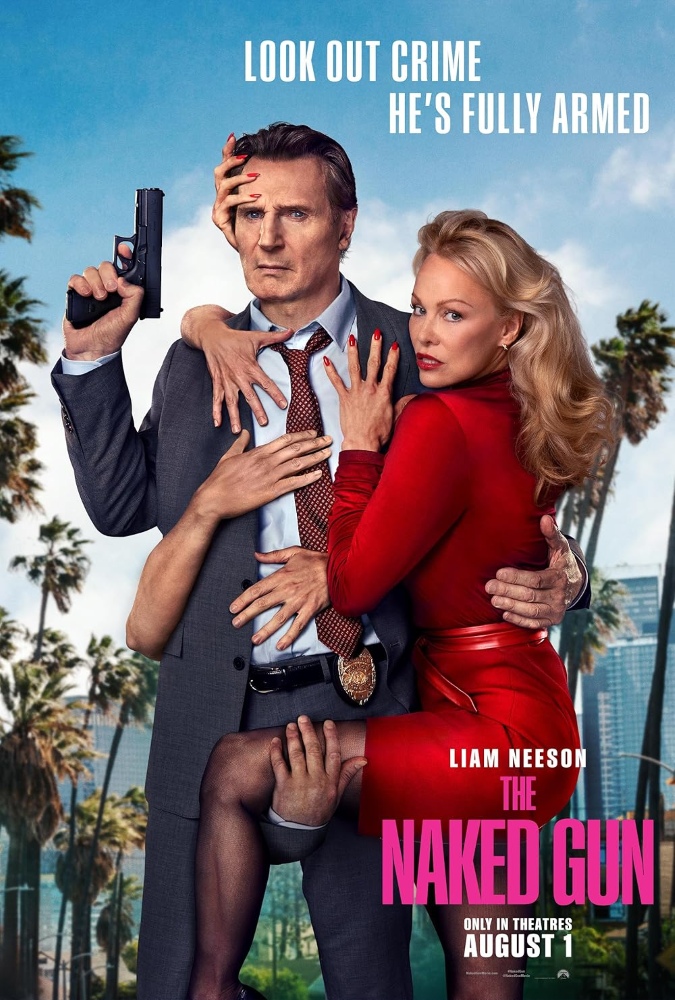
A revival of the Leslie Nielsen starring Naked Gun films, which were a parody of the hard-boiled detective film. With Liam Neeson playing Nielsen’s son. Featuring a surprising degree of SF content
Dracula: A Love Tale (2025)
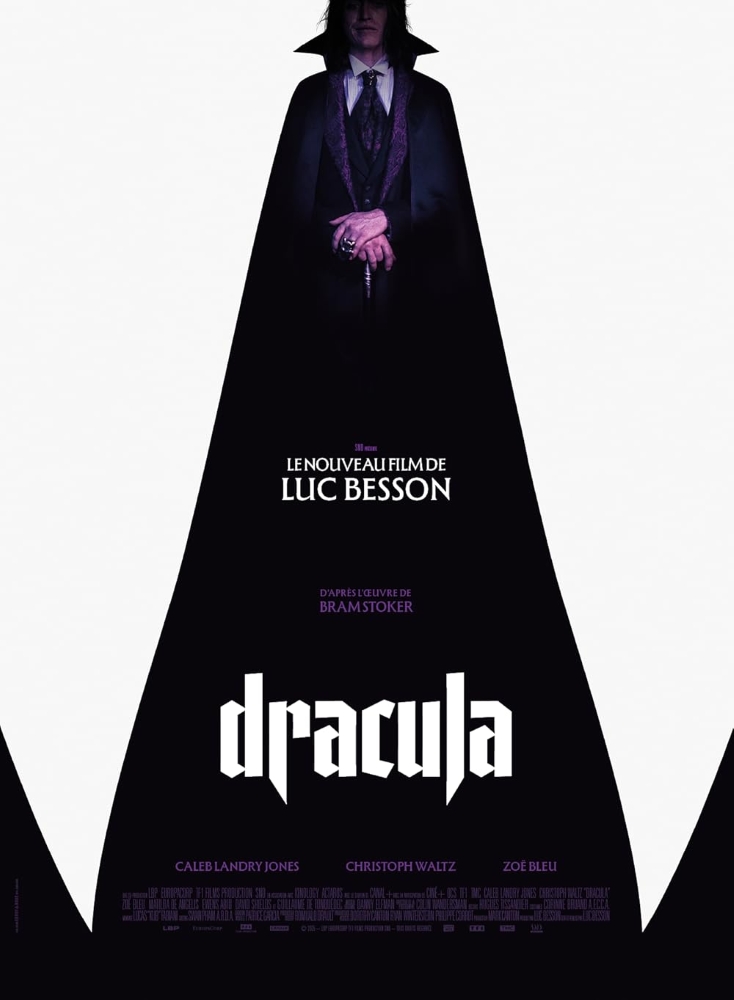
Luc Besson, an eminently stylish director who has too long absent from screens, makes a return with an adaptation of Bram Stoker’s Dracula. The surprise about this is that he uncreditedly remakes another version of the story
Freakier Friday (2025)
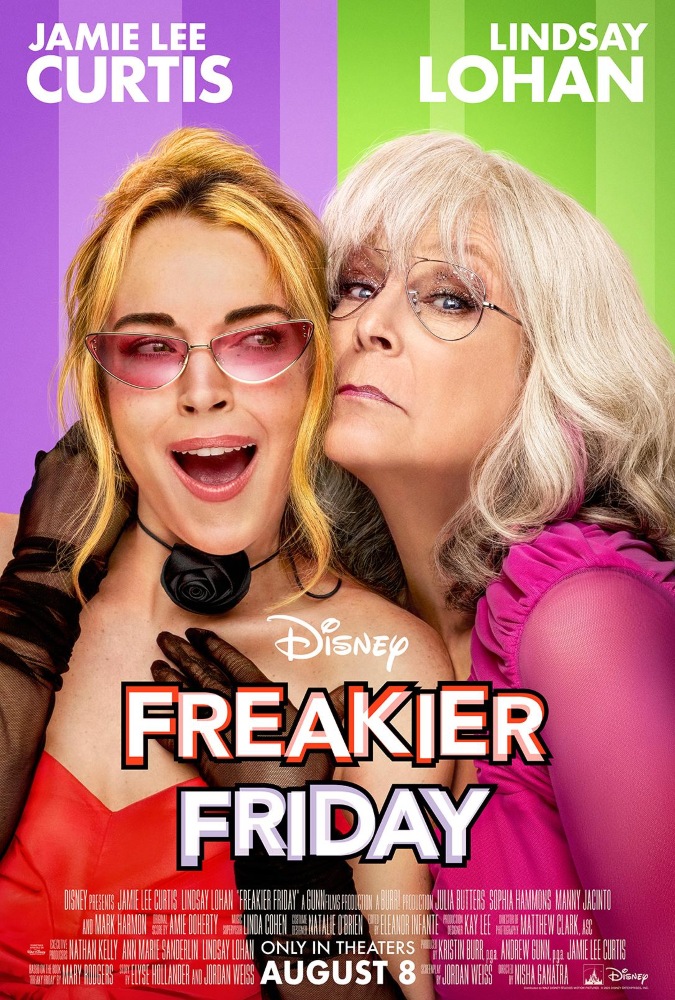
The 2003 Freaky Friday was one of the better Disney remakes with Jamie Lee Curtis and Lindsay Lohan giving inspired performances as mother and daughter who swap bodies. The two reunite for a sequel here
Bigfoot vs The Illuminati (2020)
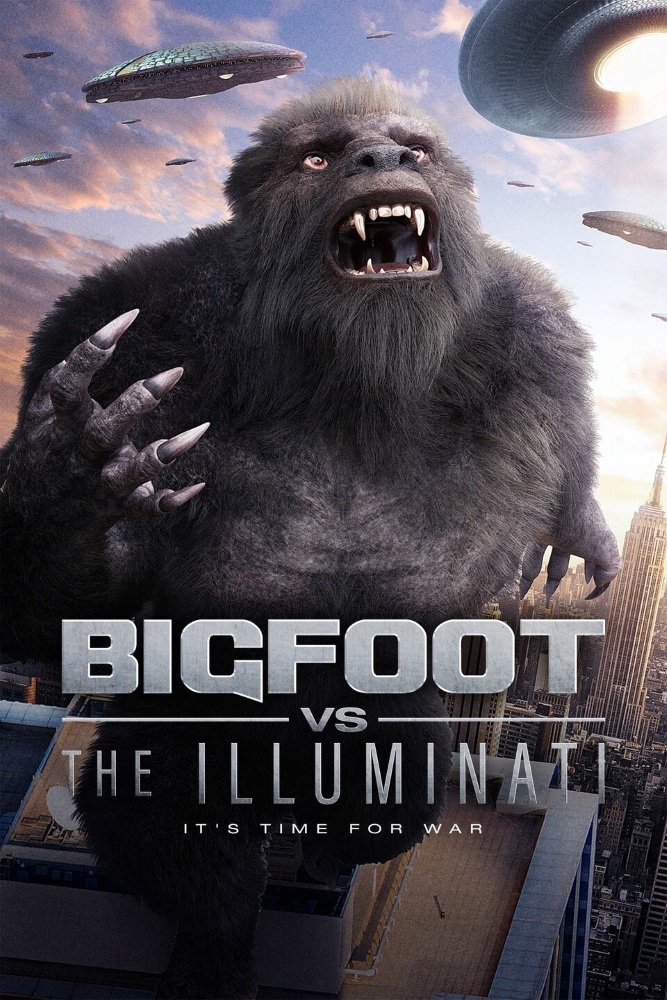
From the director of Trump vs the Illuminati, gonzo animation where Bigfoot and several resurrected historical figures fight off invading aliens that include Stalin, Aleister Crowley and Anubis
The Legend of Six Fingers (2013)
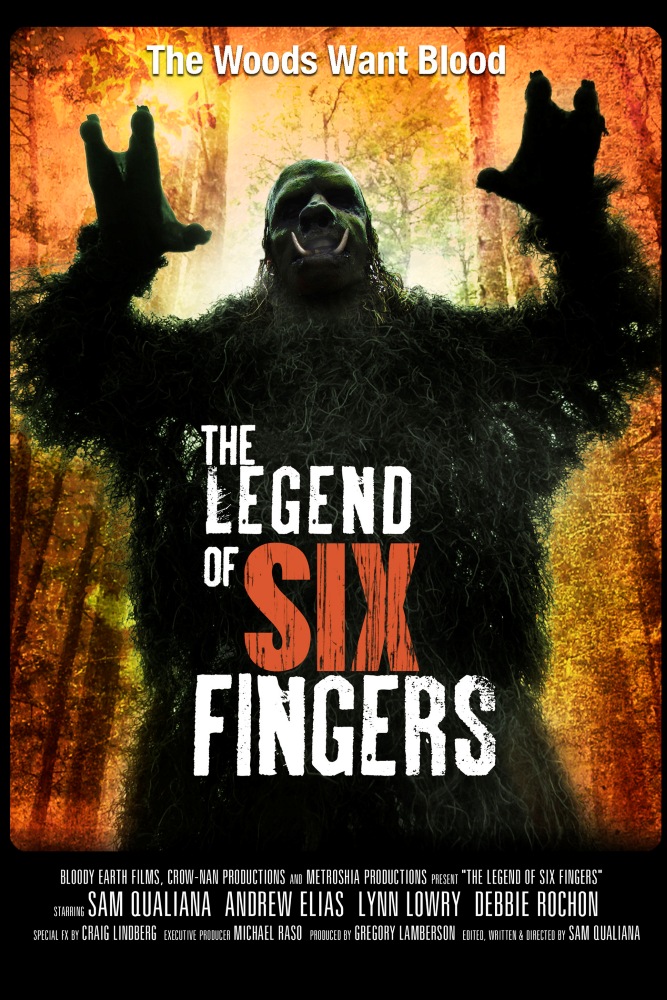
Sam Qualiana is a director who has made some incredibly bad films elsewhere. Here he takes on making a Found Footage film about the hunt for a Bigfoot-like creature
Jigoku (1960)
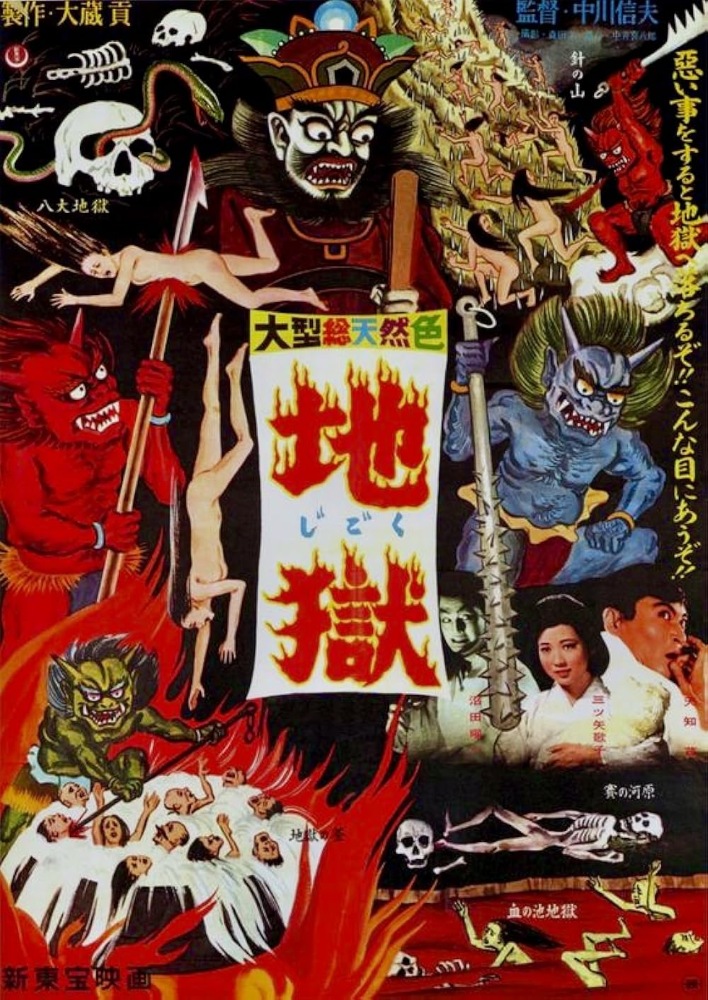
A fascinating Japanese film that imagines a man having to descend into Hell, designed along the lines of Dante’s Inferno, to save the soul of his loved one. The depiction of Hell is filled with luridly surreal scenes
Adam and Eve vs the Cannibals (1983)
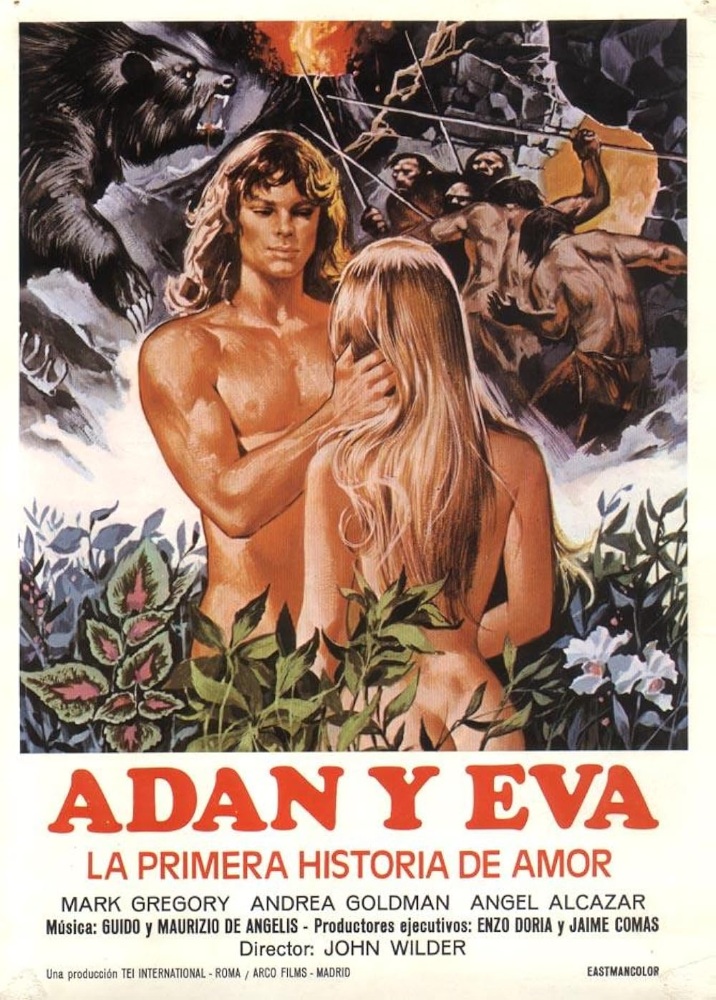
A bizarre Italian film that recounts the Biblical story of Adam and Eve and then follows on from their banishment from Eden and into the wilderness where they encounter dinosaurs, cavemen and wild beasts
No Tears in Hell (2025)
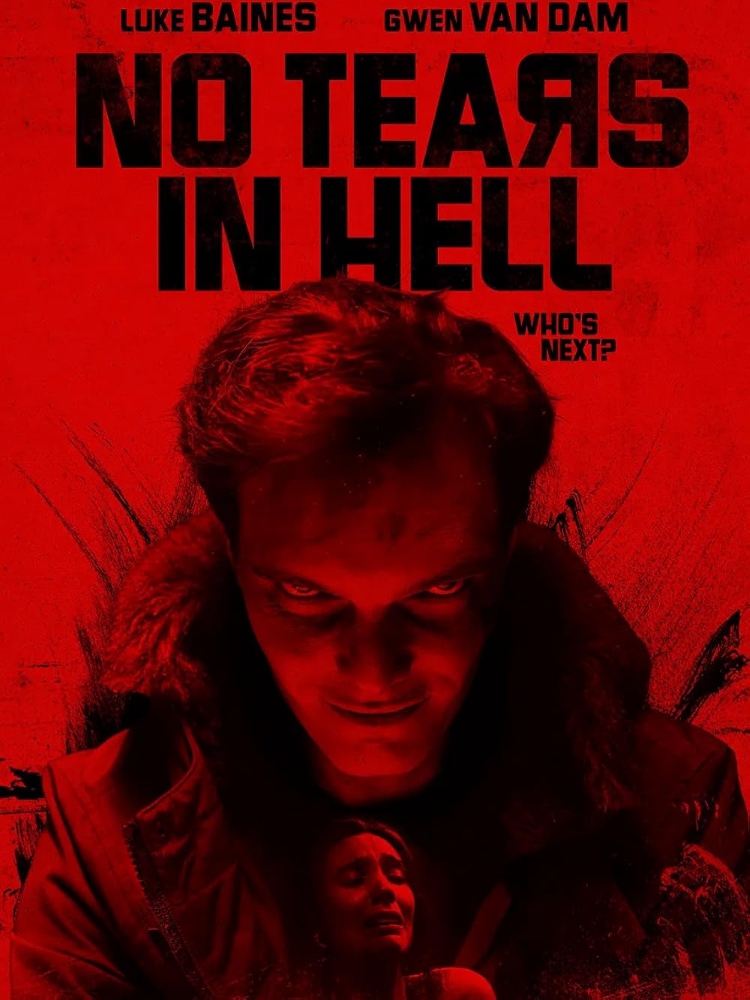
A True Crime film loosely based on an incident in Russia in the 1990s where a man and his mother killed homeless people and ate their flesh. This pushes the material into an admirably grim and disturbing place
Brute 1976 (2025)
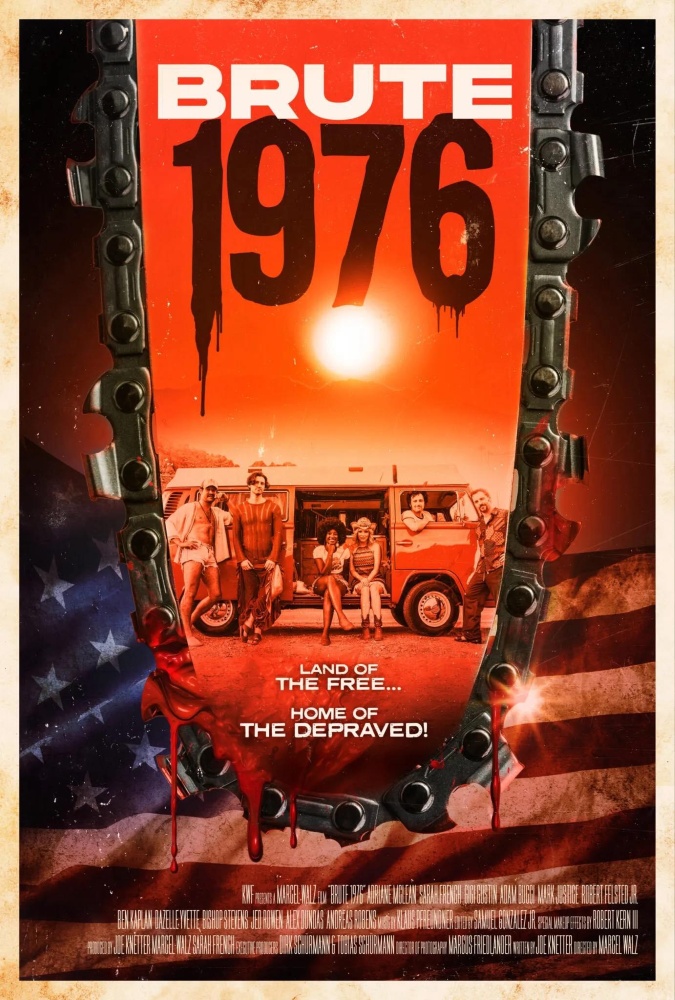
A homage to 1970s Backwoods Brutality films like The Texas Chain Saw Masscare and in particular The Hills Have Eyes, albeit filtered through the retro lens of a modern take like X
Things Will Be Different (2024)
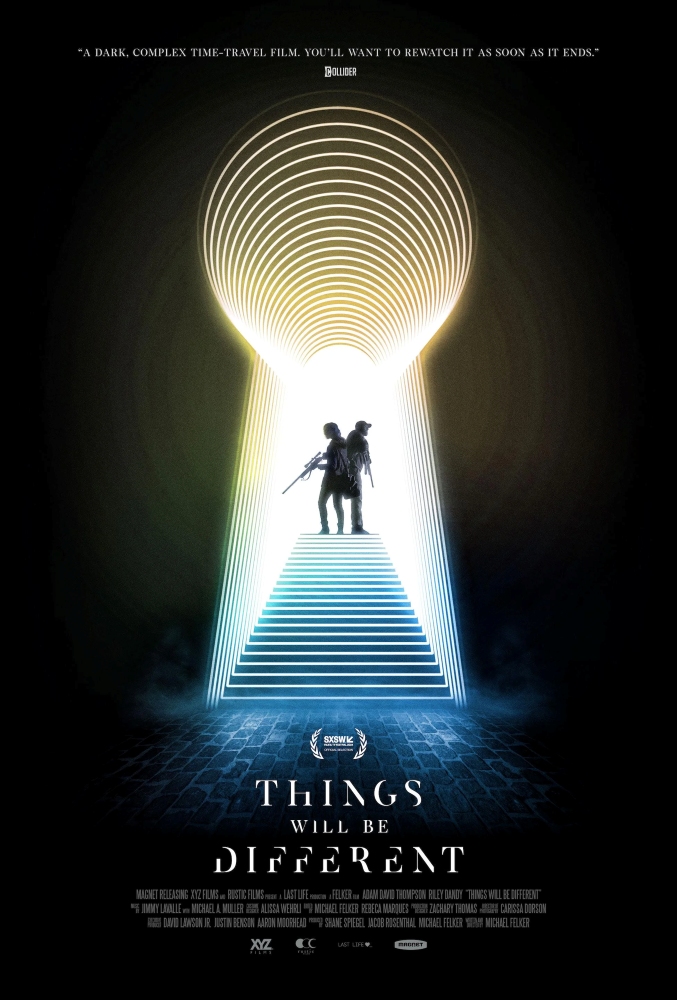
A fascinatingly enigmatic time paradox film about a brother and sister on the run who takes refuge at a house that exists out of time
Weapons (2025)
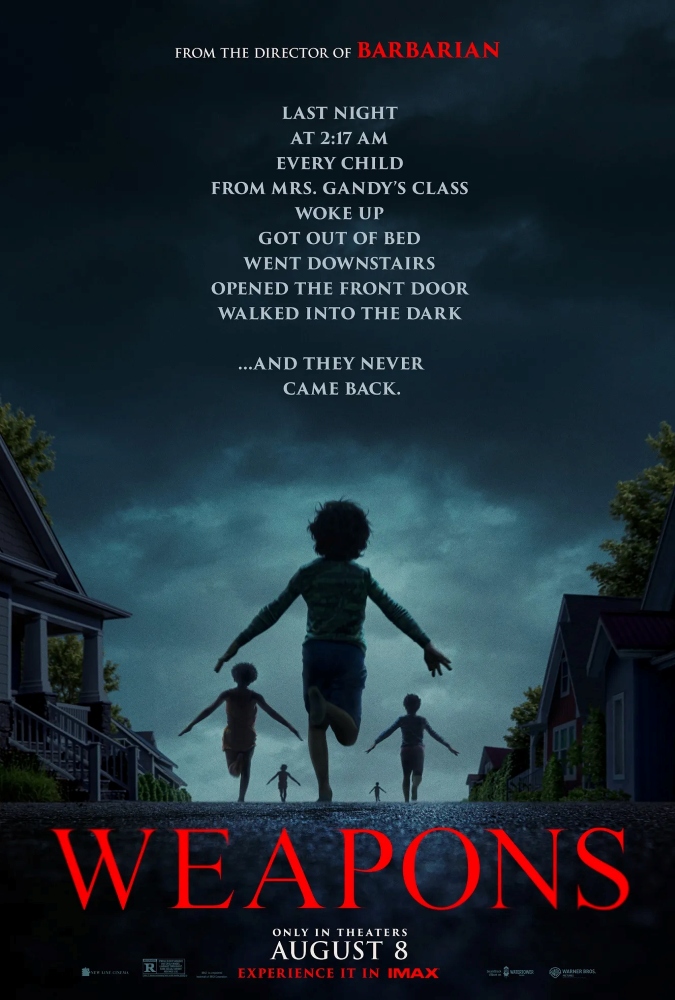
Captivating and original film from Zach Cregger, director of Barbarian, about a town that is affected by the mysterious disappearance of a class of children. One of the few recent box-office success based on an original script where you definitely can’t predict where things are going
Red Sonja (2025)
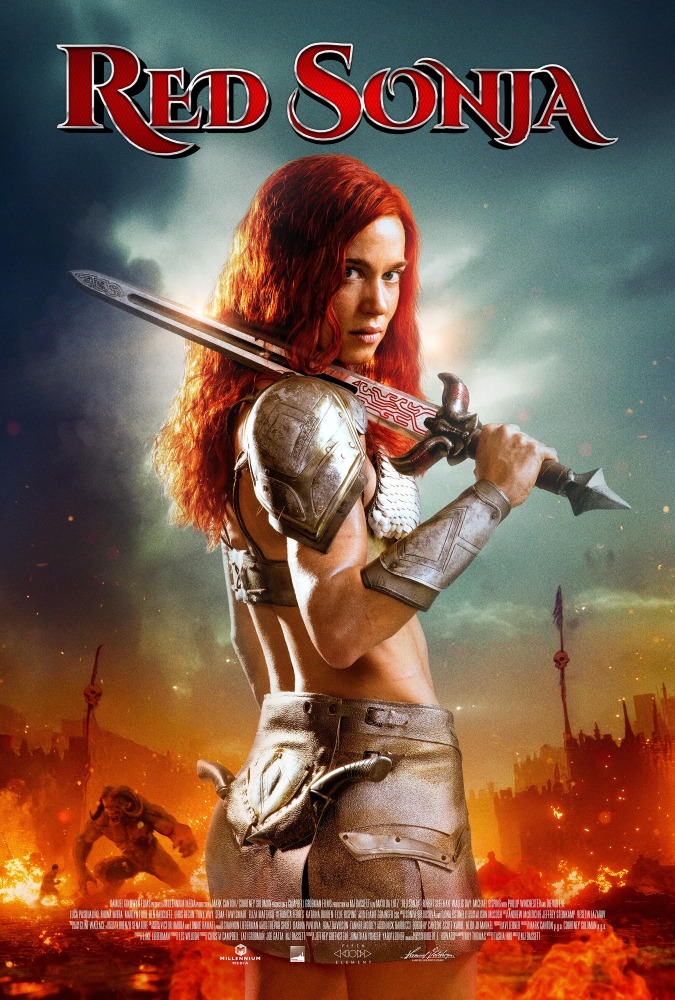
Following the disastrous Brigitte Nielsen film, a new version of Robert E. Howard’s Amazonian warrior woman has been promised since the late 2000s. It finally emerges here from the same people behind the revivals of Hellboy and the Jason Momoa starring Conan
Living Among Us (2018)
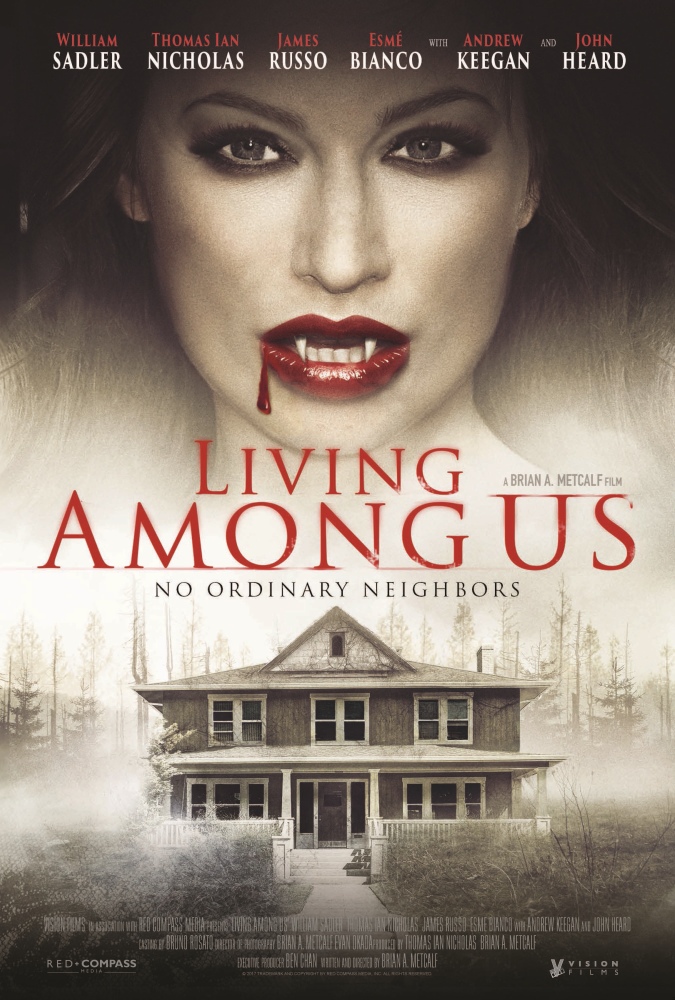
A modern-day vampire film set at a time when vampires have revealed themselves to the world. This is shot as Found Footage film as a tv crew go to interview a brood of vampires
Family Blood (2018)

A modern day vampire film that comes with the amusing idea of James Ransone as a vampire who lurks around AA meetings to find his prey
Satan’s Slave (2017)
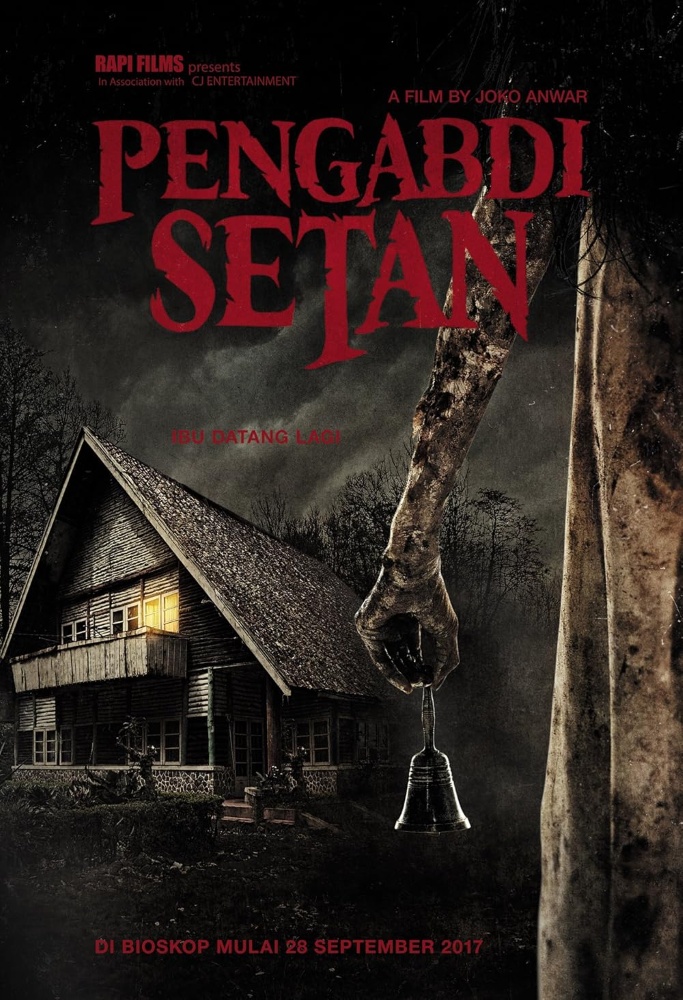
A horror film that was the biggest box-office hit ever in Indonesia as a family tragedy stirs up hauntings and the occult. A follow-up to an earlier 1970s film that has become a cult hit.
The Borrowers [Season 1] (1992)
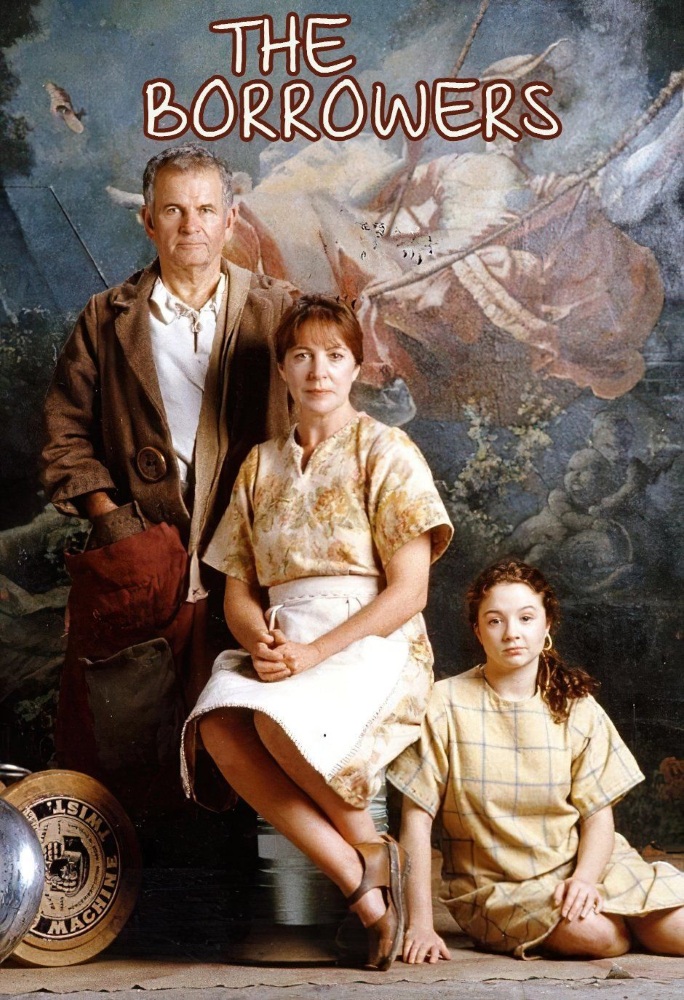
Absolutely delightful and charming BBC series about a family of miniature people who secretly live inside the walls of human houses. The best of several versions of the popular books
The Communion Girl (2022)
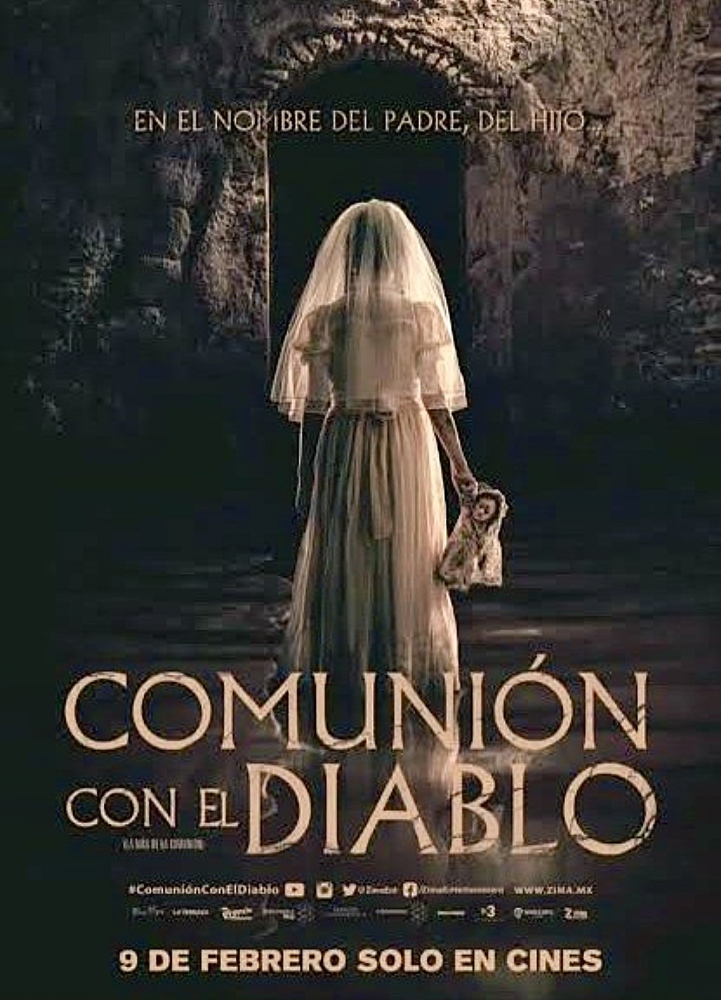
Spanish-made film that feels like a mash-up of Annabelle and The Nun about the communion doll belonging to a girl who went missing that appears to curse all it touches
Kryptic (2025)
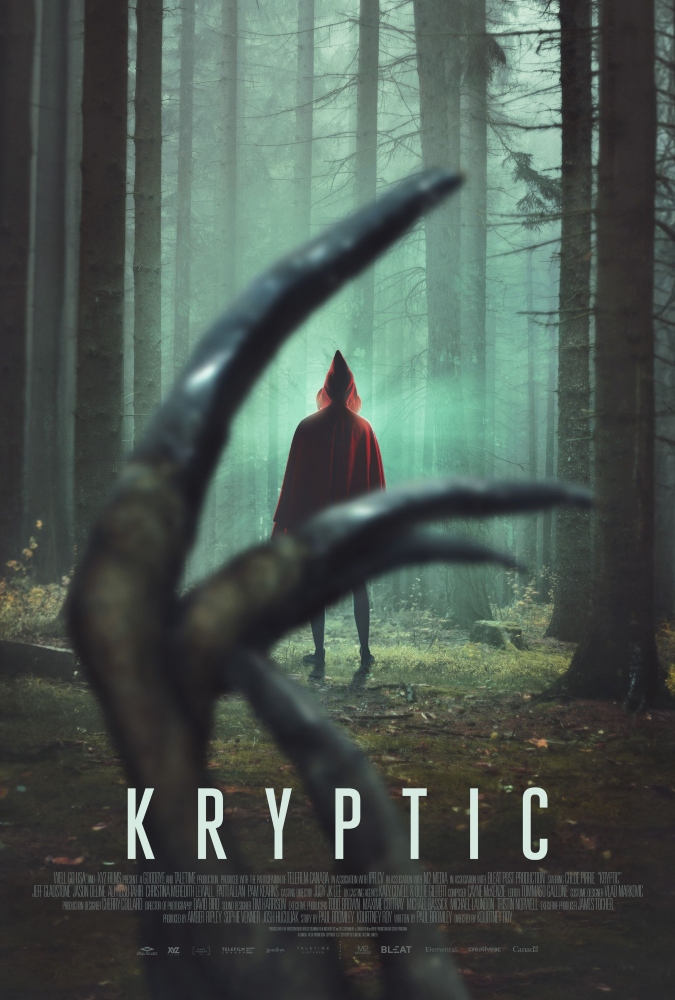
As the title suggests, this is cryptic. Something to do with Chloe Pirrie wandering off in the woods, encountering a mysterious Bigfoot creature and afterwards experiencing a baffling identity exchange
Mission: Impossible – The Final Reckoning (2025)
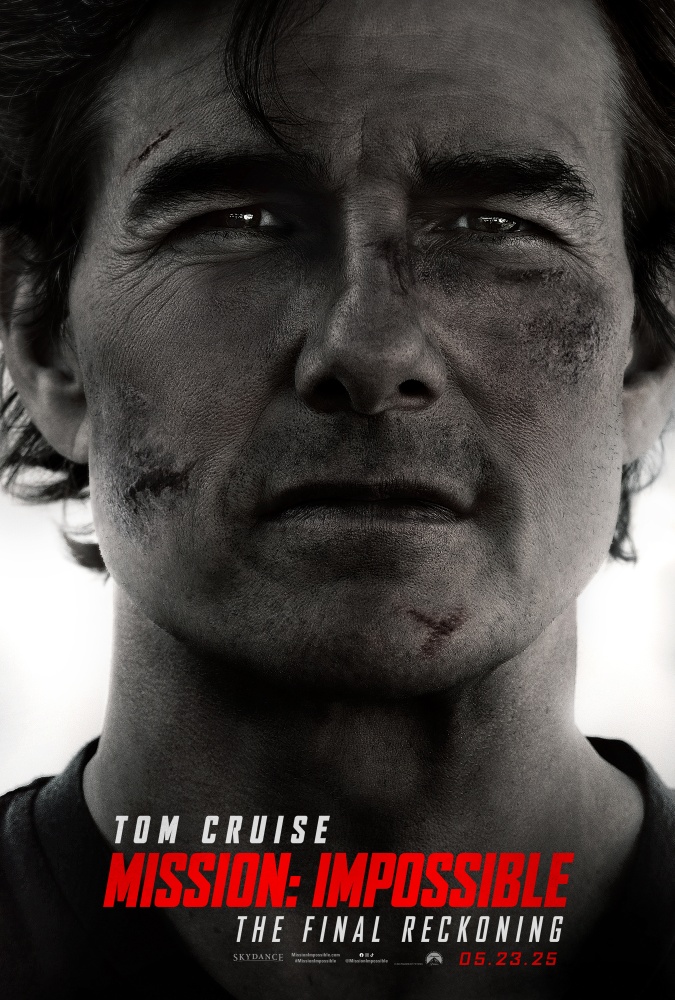
The eighth of the Mission: Impossible films. The previous entry Dead Reckoning was a high point in the series and this is left wrapping up the storyline in what would appear to be Tom Cruise’s final outing for the series
I Know What You Did Last Summer (2025)
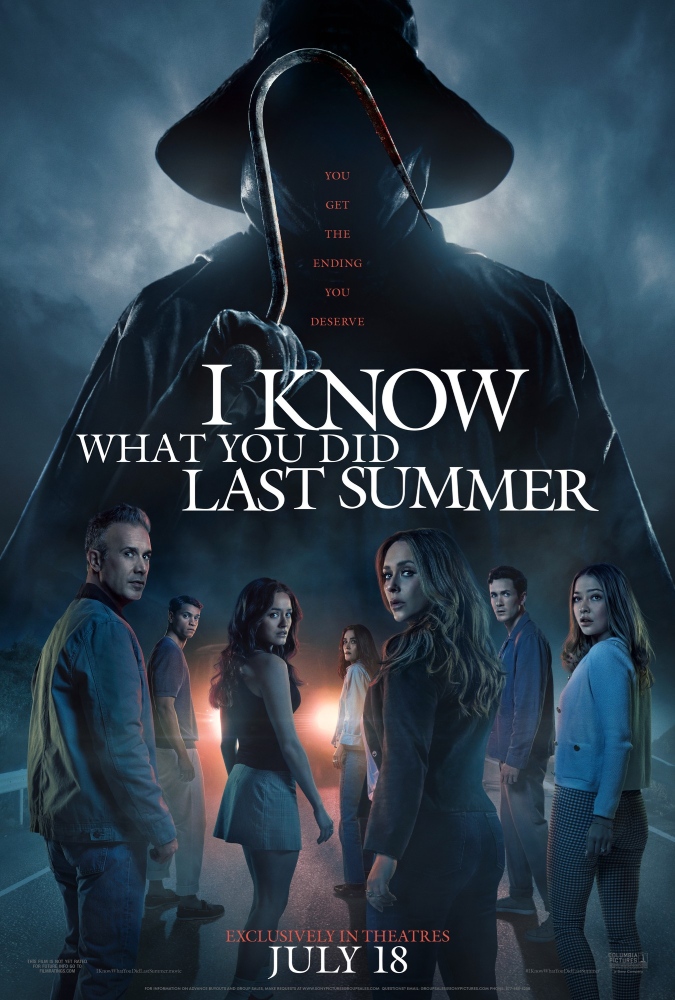
In recent years, we have seen successful revivals of the Scream and Halloween franchises. Now it is the turn of another classic 1990s slasher film, a reworking that emerges with underwhelming results
Zoombies 2 (2019)
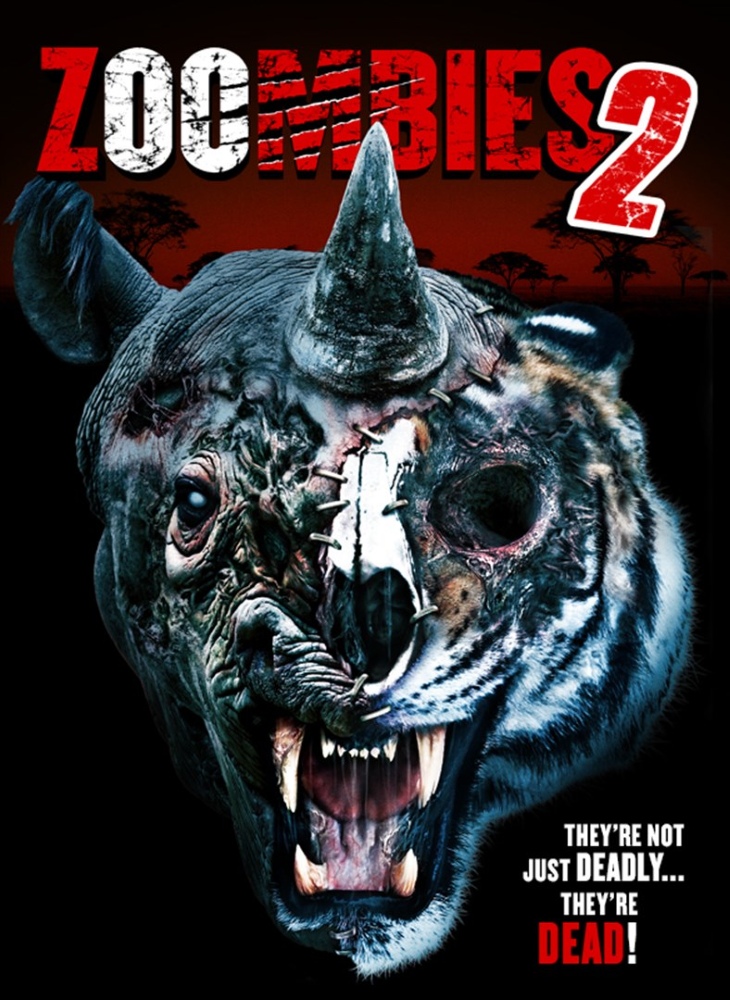
Zoombies, based around the idea of zombified versions of zoo animals, was a modest hit for The Asylum. While announcing itself as a sequel, this actually acts as a prequel explaining the origin of the zoombie outbreak
Claws (1977)
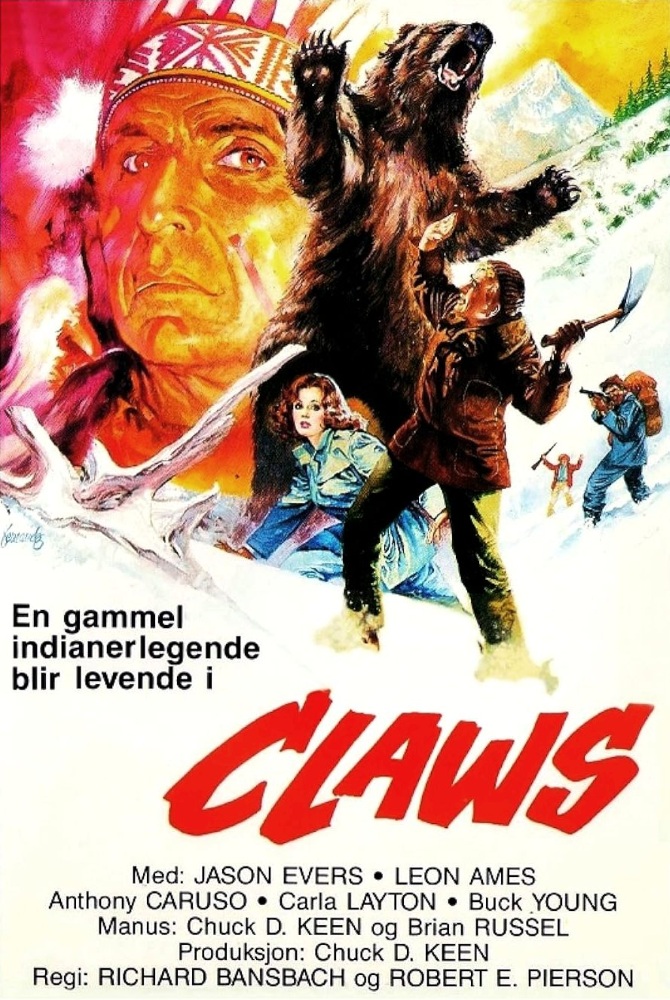
This was made as a fairly blatant mockbuster copy of Jaws. This is basically Jaws on dry land with a bear instead of a shark and an assonant soundalike title Claws instead of Jaws
A Bucket of Blood (1995)
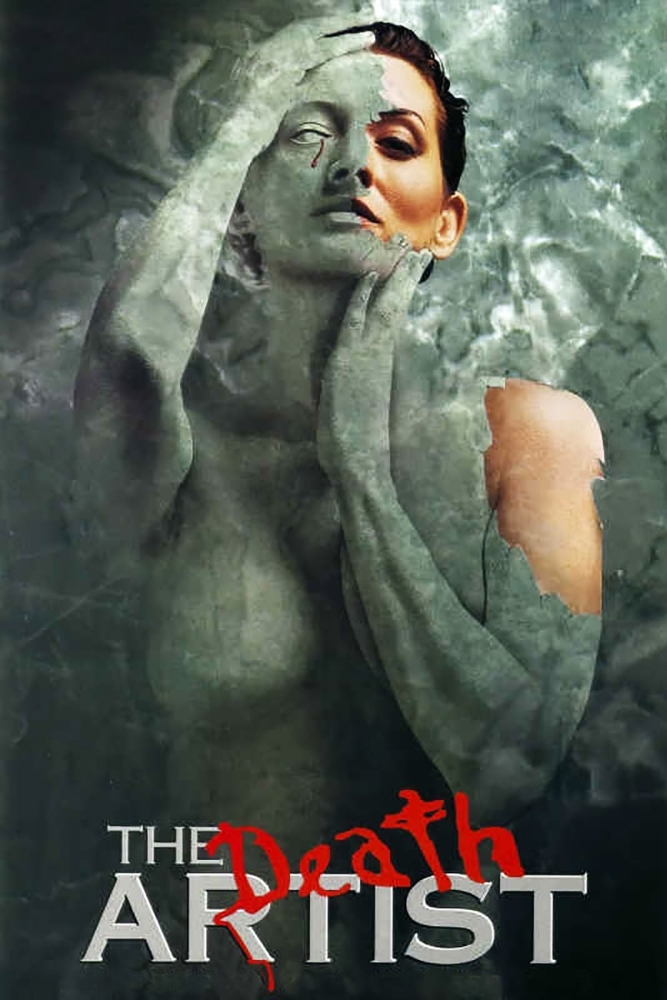
Roger Corman’s original A Bucket of Blood is a cult black comedy starring Dick Miller a nerdy wannabe who is acclaimed after passing dead bodies off as works of art. Here it was remade with Anthony Michael Hall inheriting the role of Walter Paisley
Save State (2023)
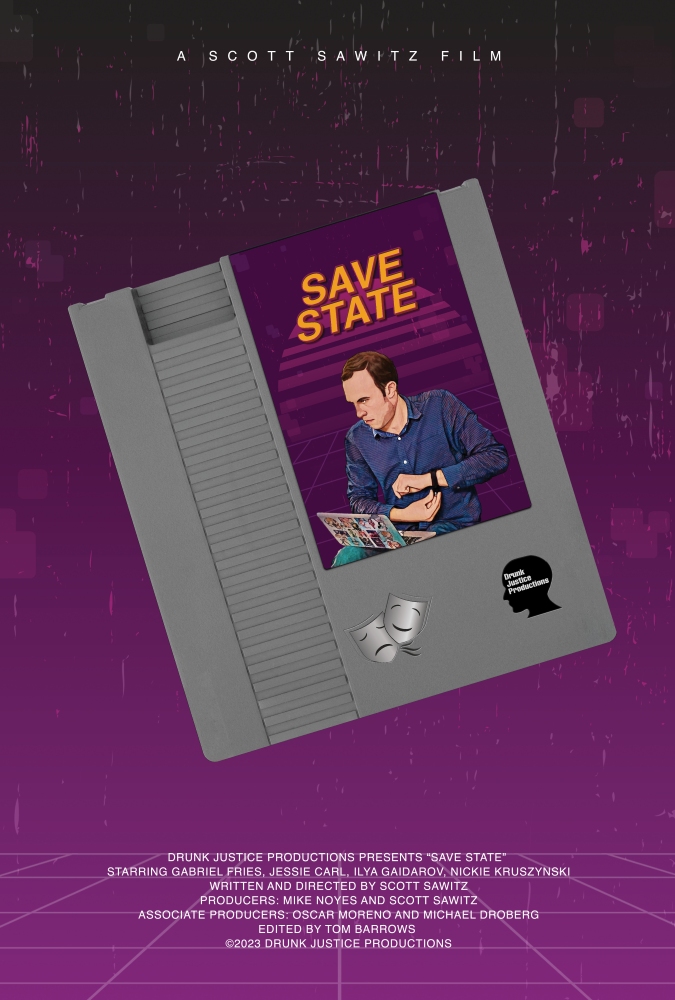
A comedy about a guy who obtains a time travel device and uses it to go back and try to prevent his girlfriend breaking up with him
The Dinner Party (2020)
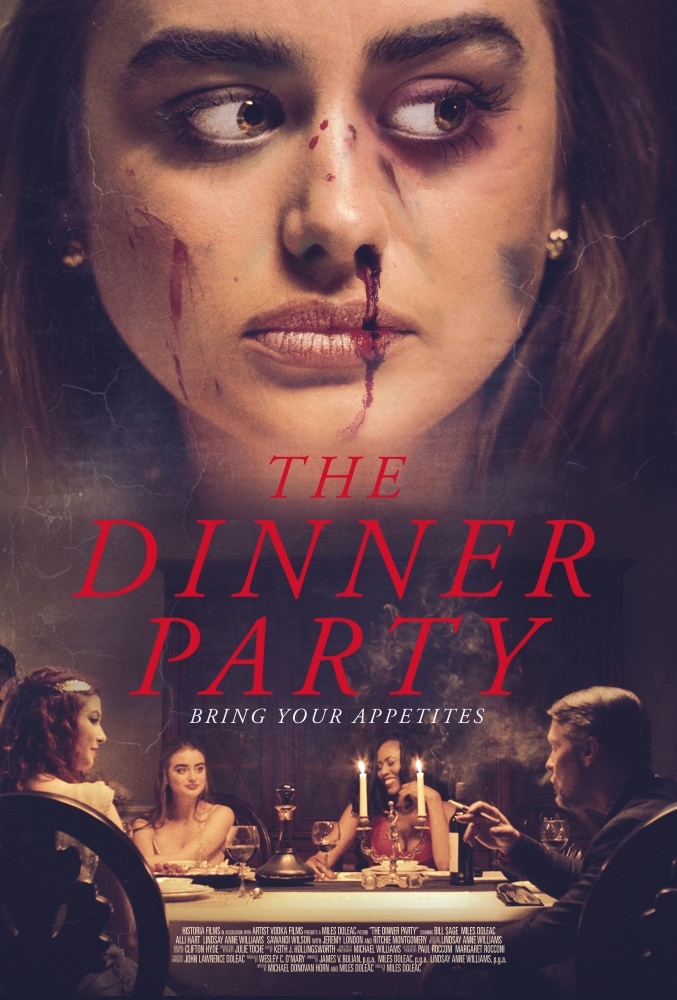
A young couple are invited to a posh dinner party, only to find that sinister and deadly things lurk not far beneath the niceties. A directorial outing for actor Miles Doleac
Smurfs (2025)
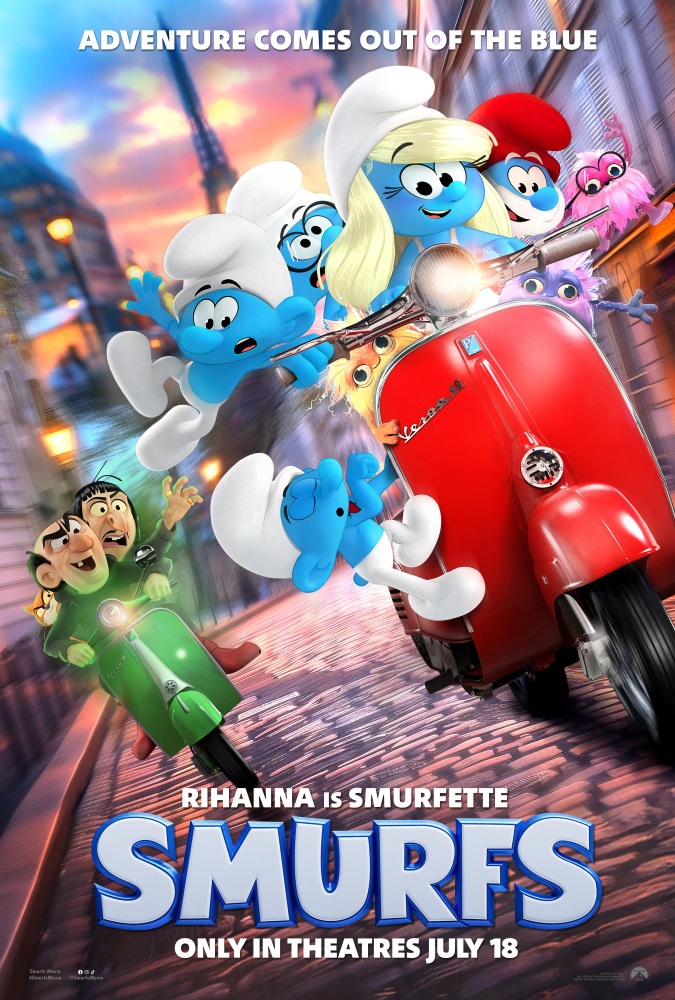
An animated revival of The Smurfs. This was greeted with a very divided reception. With a massive celebrity voice line-up packed into almost any corner of the film the casting director can manage
Superman (2025)
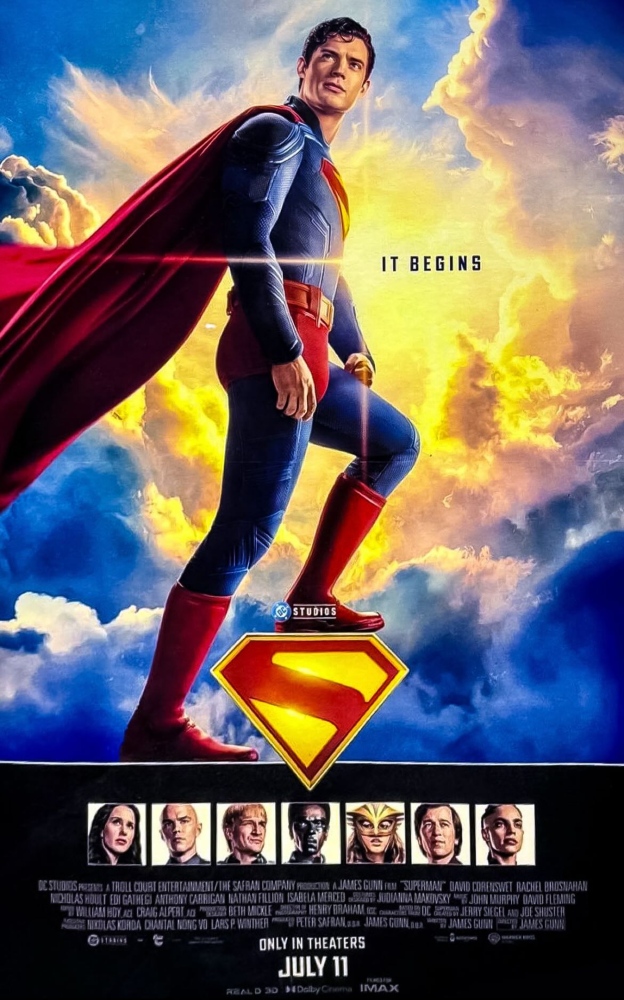
James Gunn’s almost completely successful reboot of the cinematic Superman, the first film perhaps that comes with a total confidence in the comic-book source and where Gunn is not afraid to be goofy
It’s What’s Inside (2024)
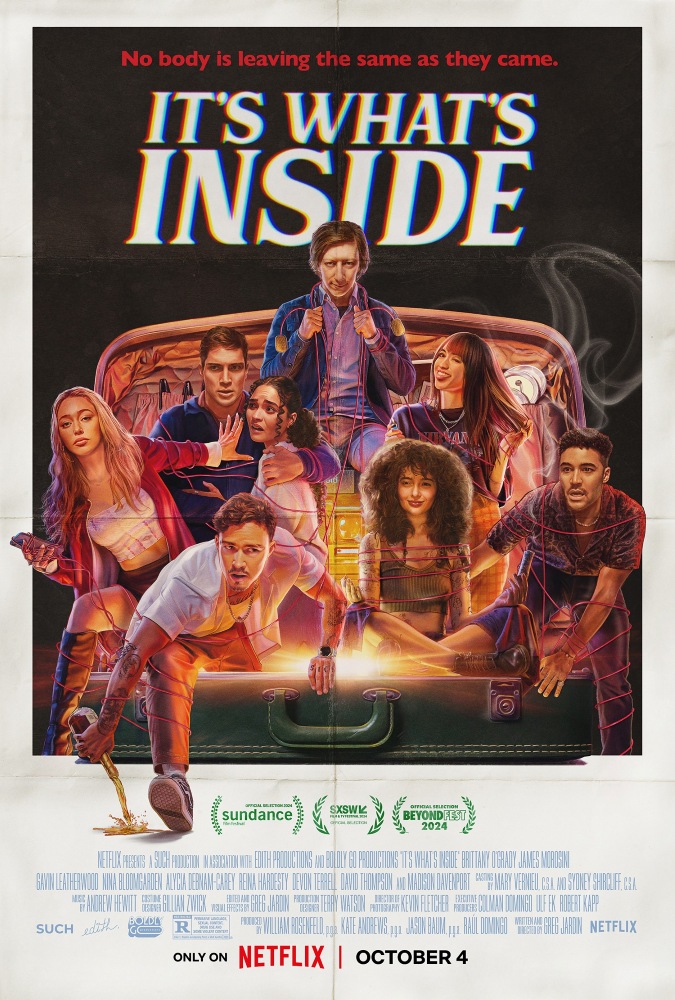
An interesting twist on the bodyswap film where millennials at a party use a device that allows them to swap bodies – only for two of the host bodies to be killed in an accident
Apocalypse Z: The Beginning of the End (2024)
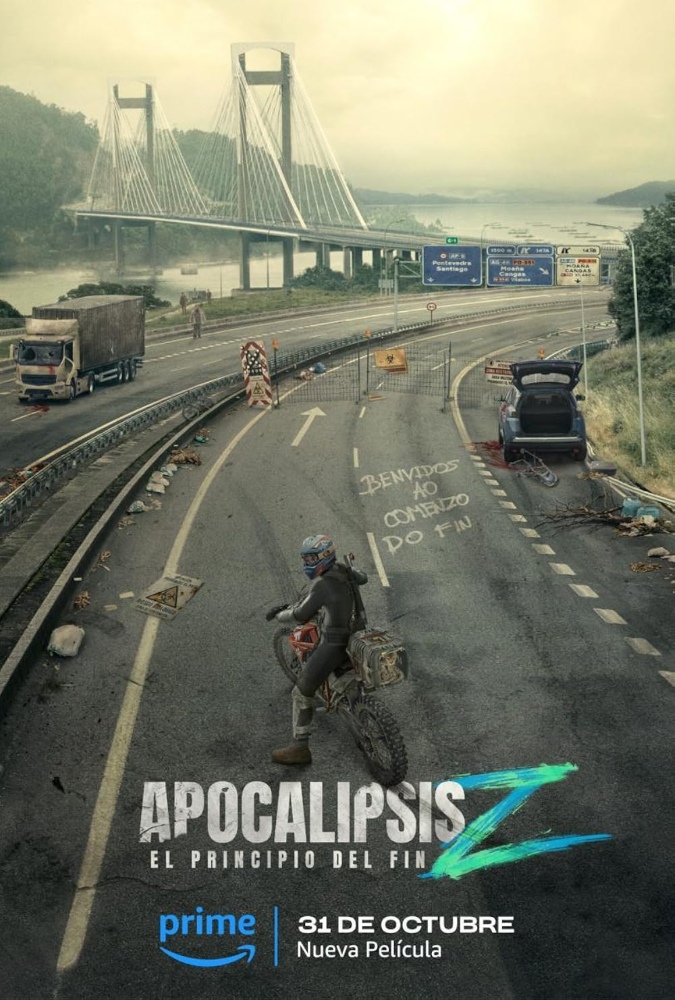
Big-budgeted Spanish-made zombie film based on a best-selling book. Very much a post-Covid depiction of the zombie apocalypse, this rehashes the familiar basics capably well
Jurassic World: Rebirth (2025)
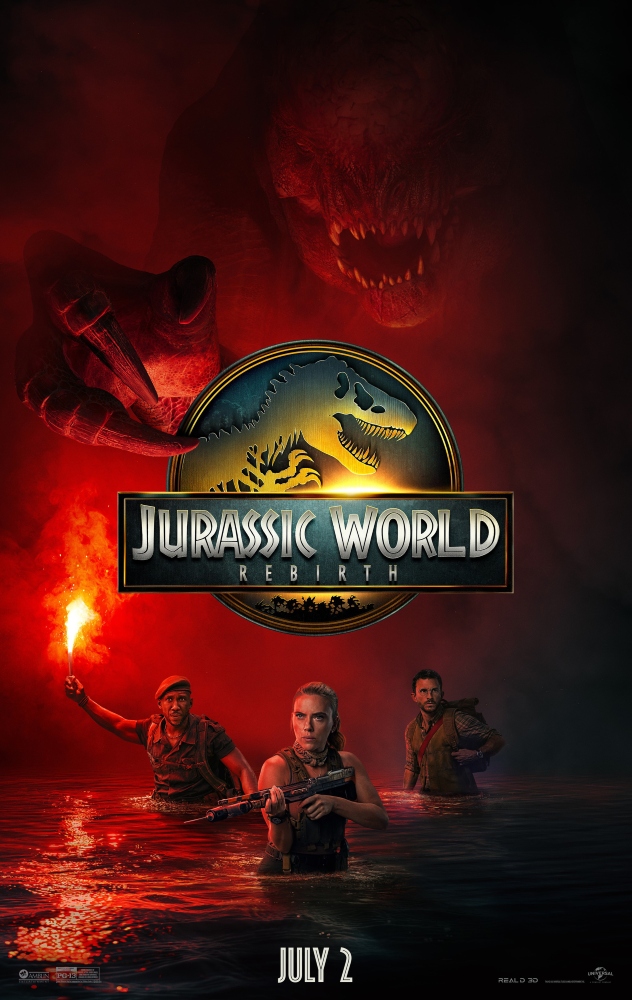
The seventh of the Jurassic Park/World films receives a creative shot in the arm from Gareth Edwards, director of Monsters and The Creator
War of the Worlds (2025)
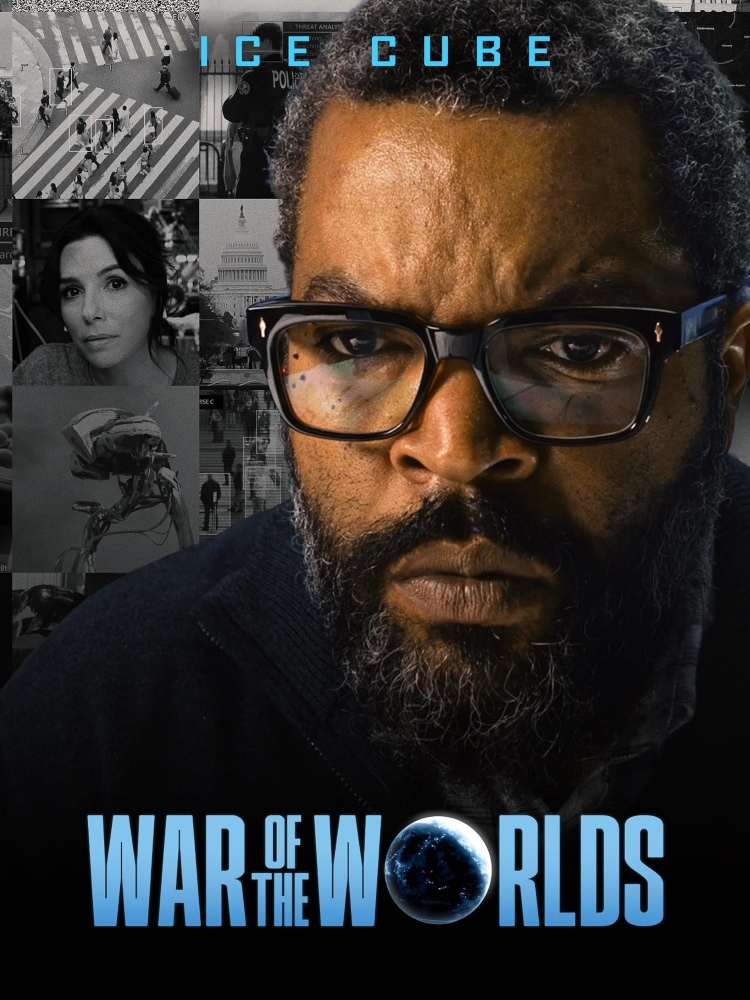
An adaptation of H.G. Wells’ classic alien invasion novel modernised into the era of mass data surveillance, social media and Amazon delivery drivers
Psychic Experiment (2010)
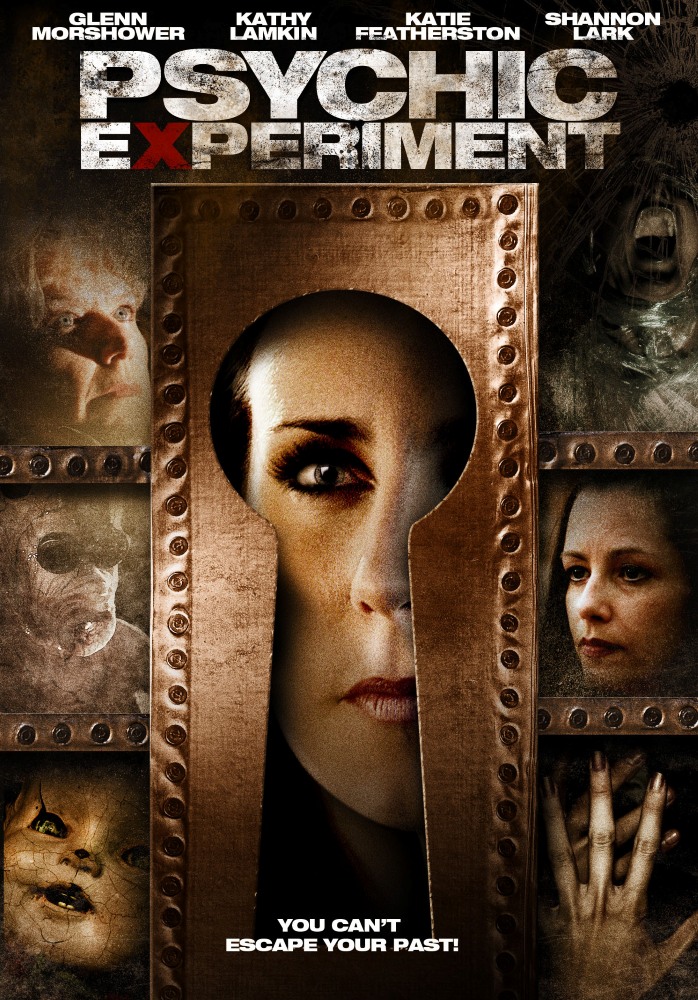
A film overstuffed with mad ideas and genre cameos about psychic experiments that have unleashed a series of other-dimensional entities
The Rizen: Possession (2019)
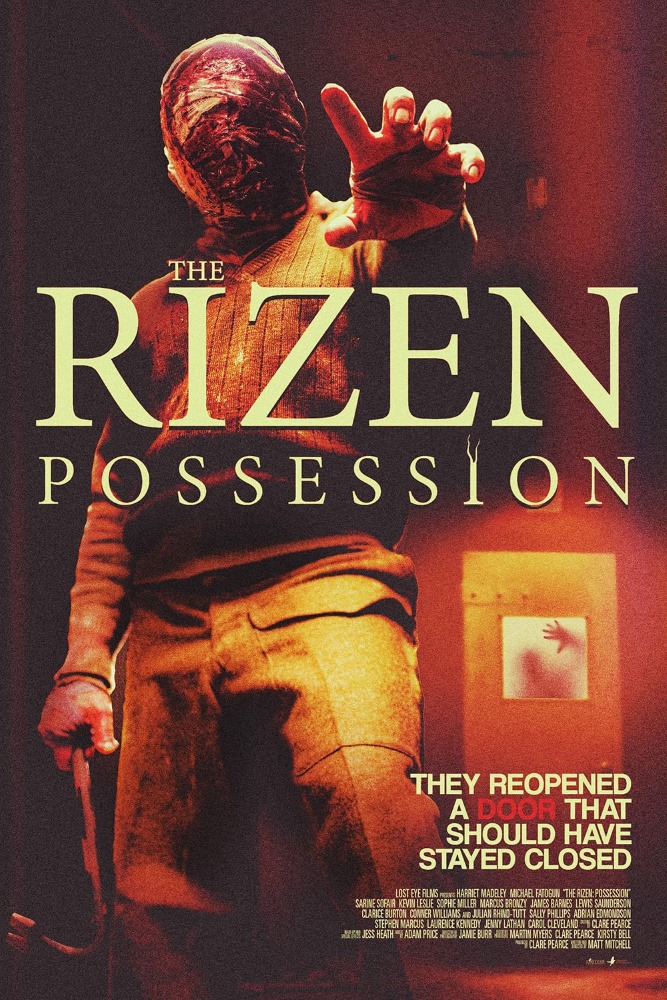
Sequel to the earlier The Rizen with the group of people trapped inside a labyrinth of Lovecraftian horrors
Emmanuelle in Space: First Contact (1994)
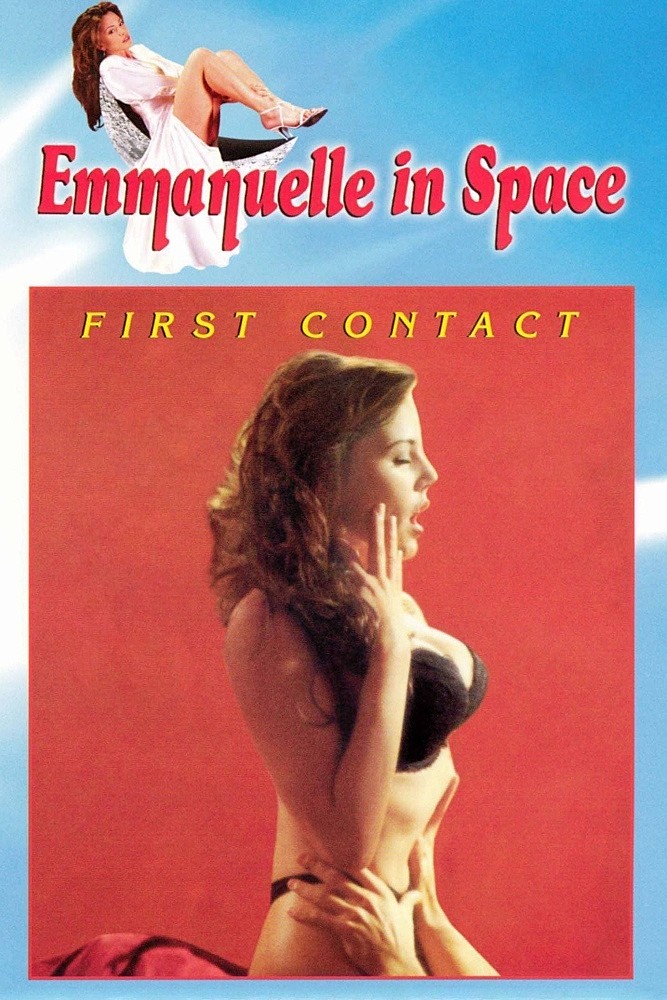
The original Emmanuelle was a supposedly autobiographical memoir about the sexual dalliances of a bored wife in Thailand. Here Emmanuelle is now abducted by aliens for further encounters
A Beginners Guide to Snuff (2016)
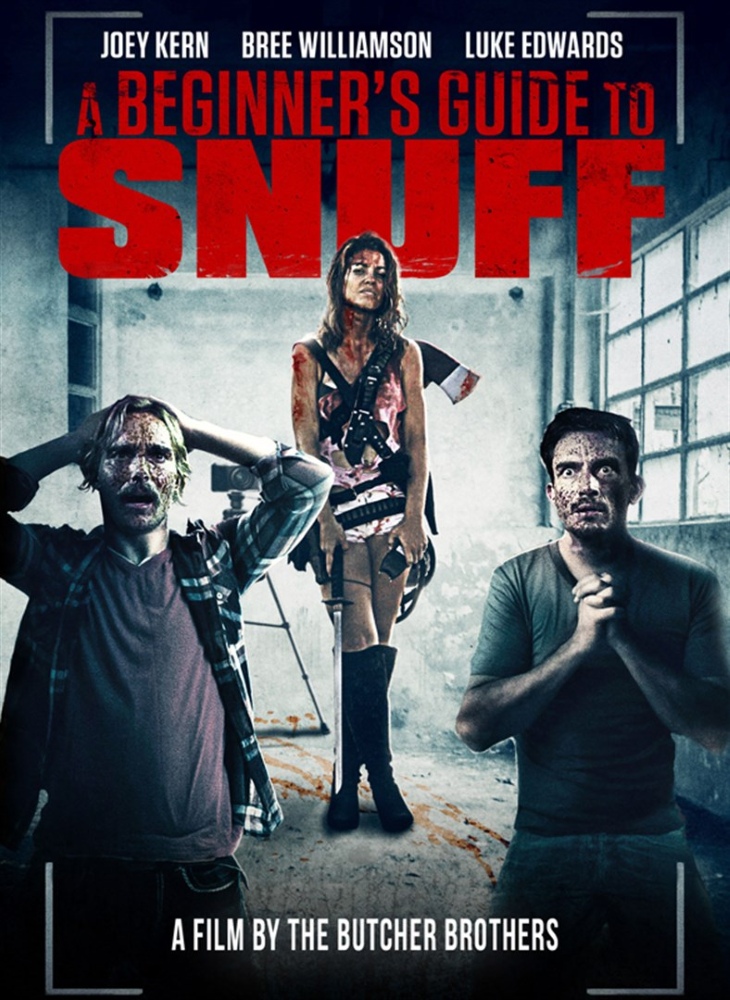
A comedy about two wannabe brothers who try to enter a horror movie competition by making their own snuff movie, only for everything to start going wrong
When I Consume You (2021)
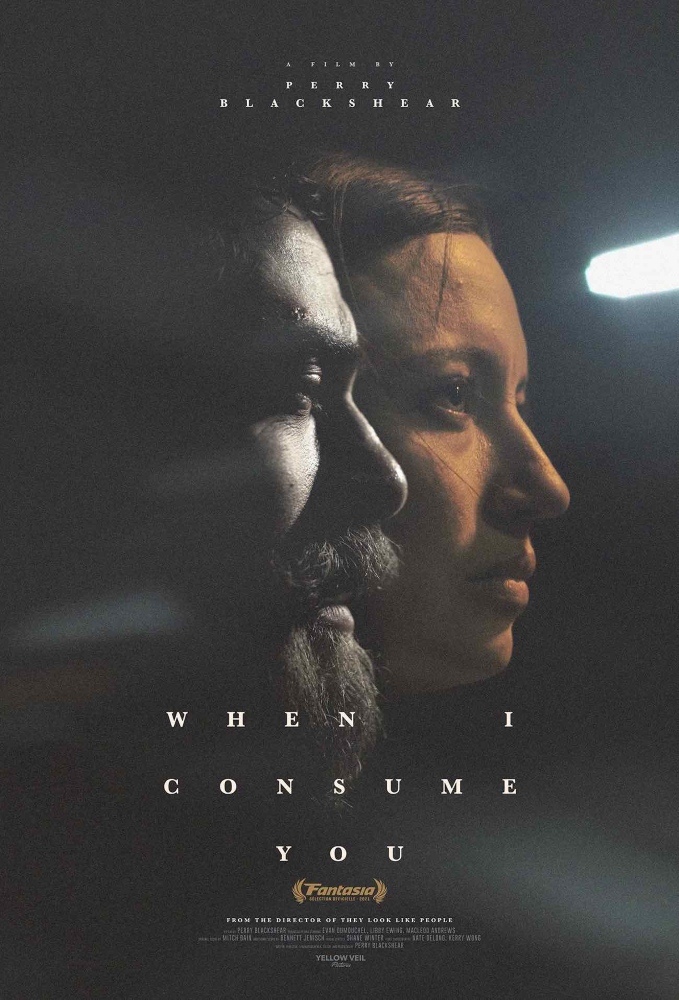
The massively underrated Perry Blackshear makes another of his kitchen sink works about a handicapped brother and his sister’s possible ghost fighting a demonic figure
Werewolves (2024)
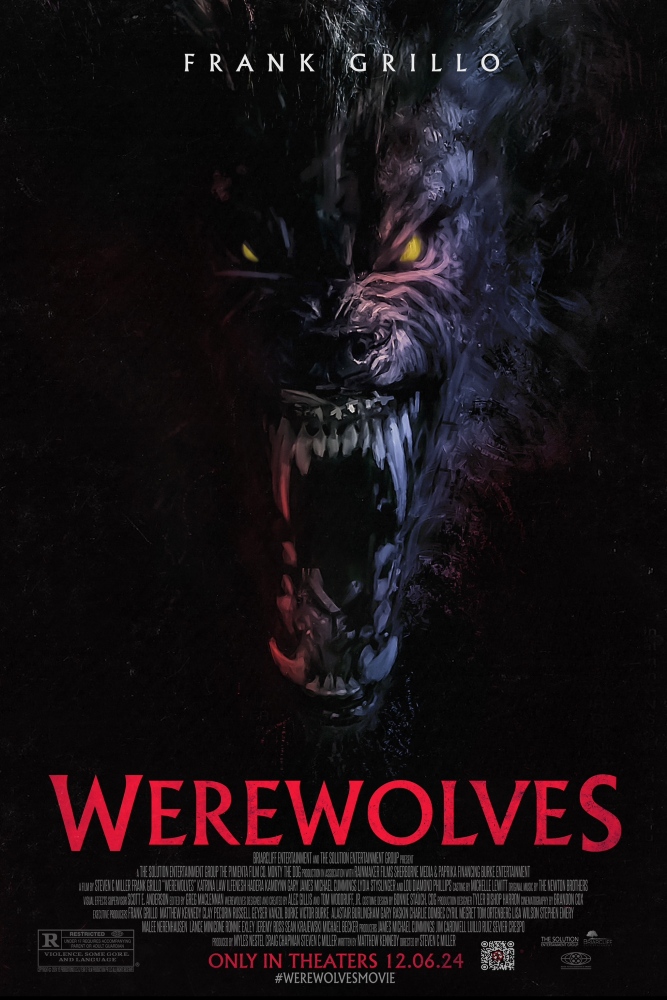
A werewolf film with an original idea and a furious action movie sensibility
28 Years Later … (2025)
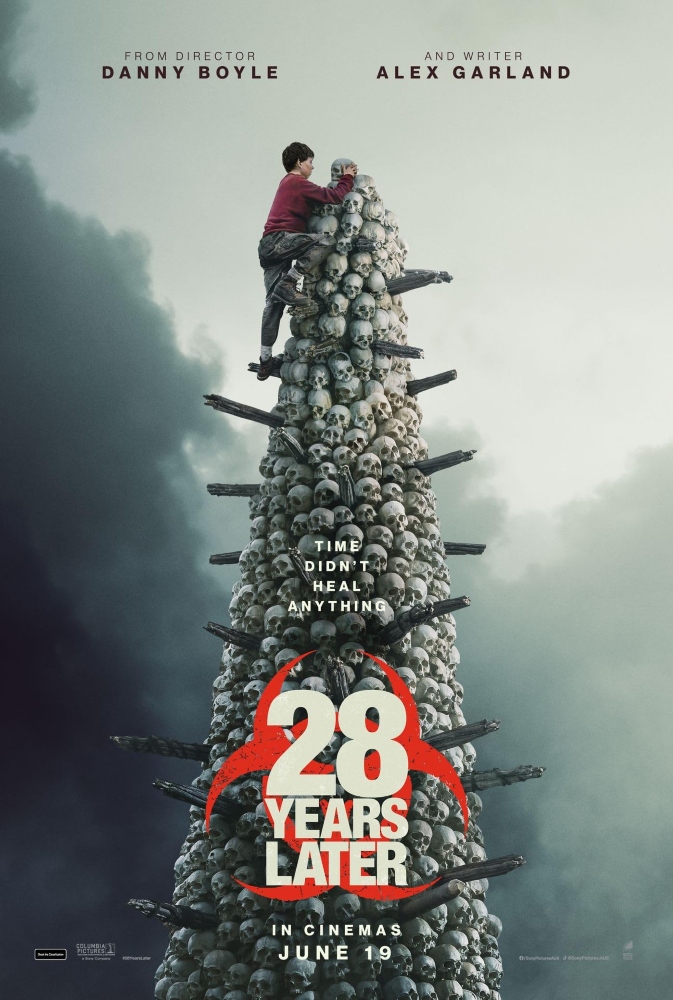
28 Days Later was the work that started the modern zombie film revival. Twenty-three years later, Danny Boyle and Alex Garland return to make a third film
The Life of Chuck (2024)
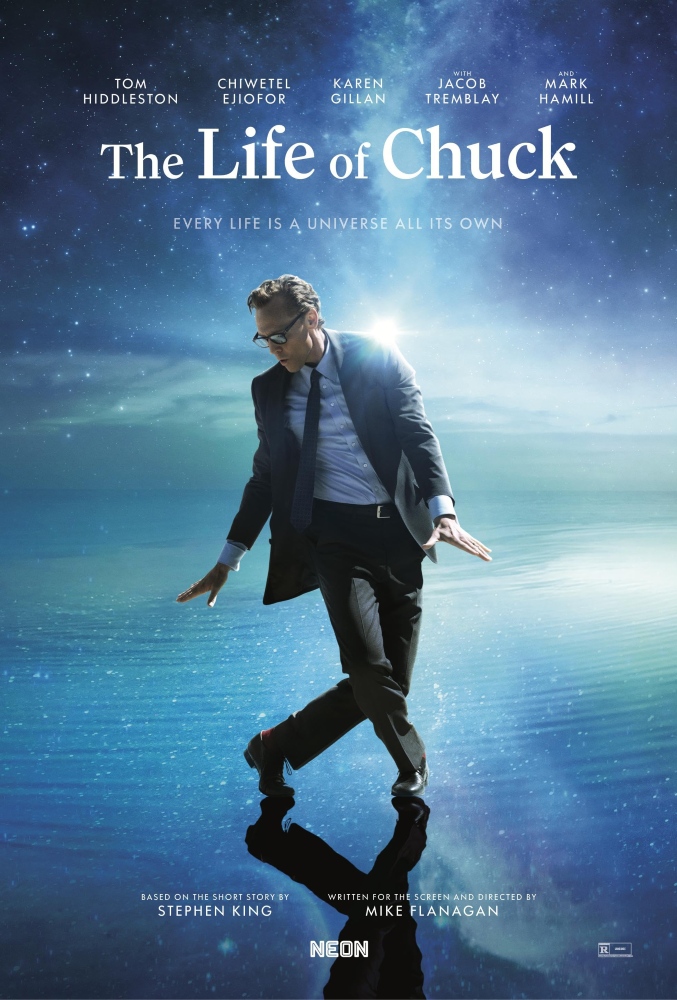
A Mike Flanagan adaptation of a Stephen King story that has been receiving a great deal of acclaim
Shark Girl (2024)
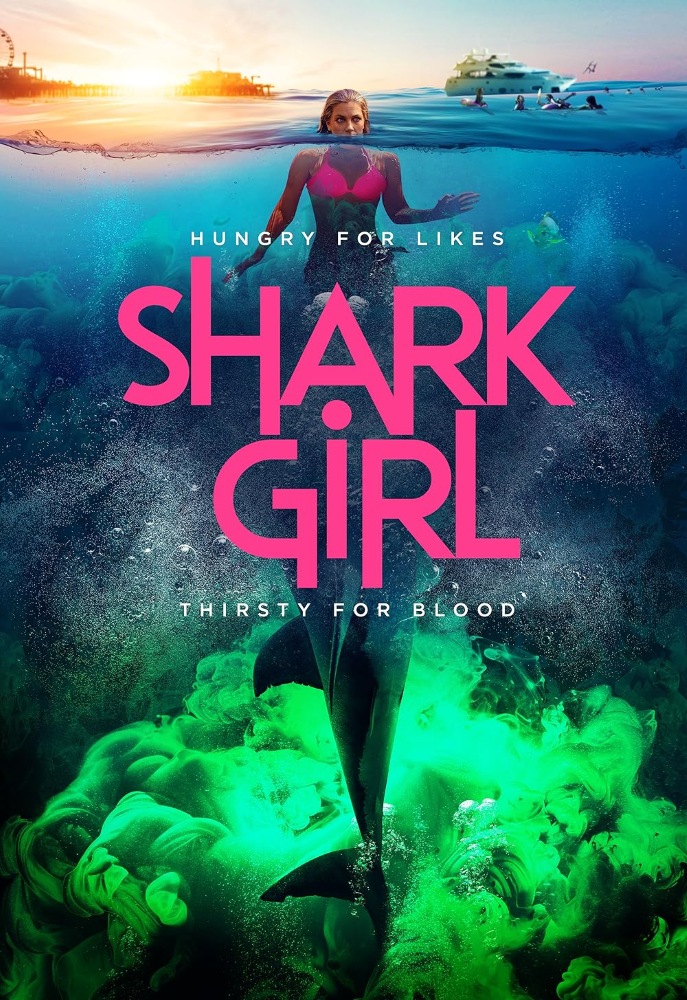
A Gonzo Killer Shark film about a social media influencer bitten by a radioactive shark who becomes a shark-human hybrid
Megalodon: The Frenzy (2023)
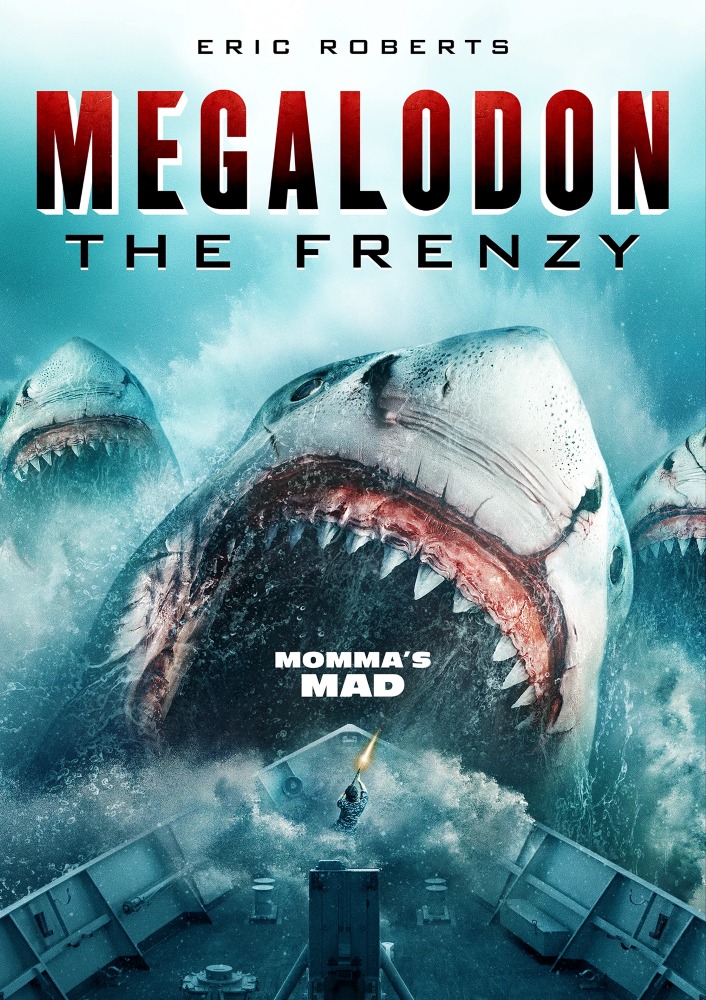
The third of The Asylum’s trilogy of films about giant prehistoric sharks
Timeslip (1955)
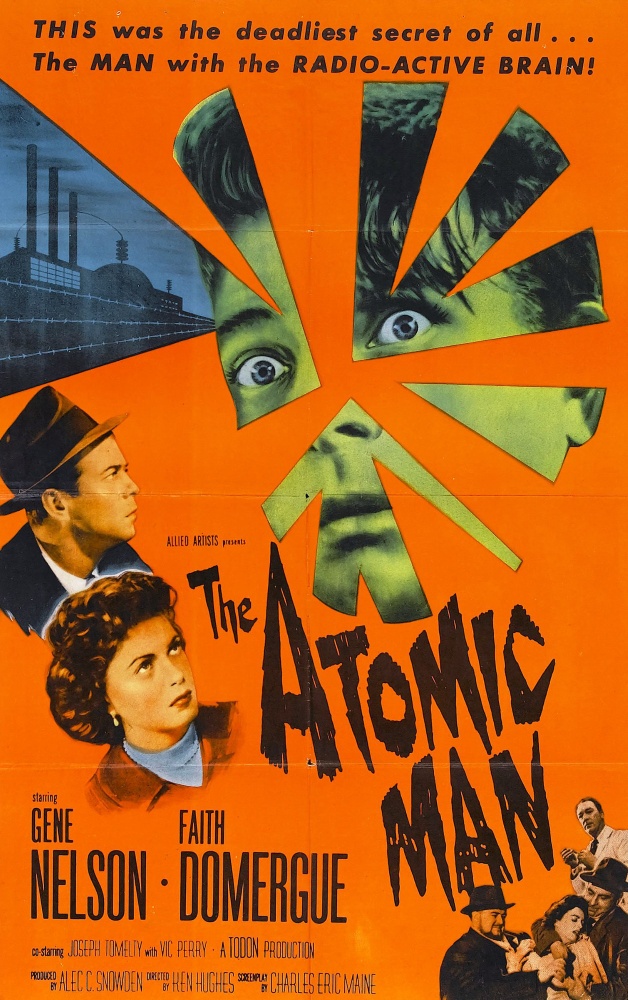
British quota quickie with a fascinating central idea of a scientist who has slipped several seconds out of phase in time
Bluebeard (2009)
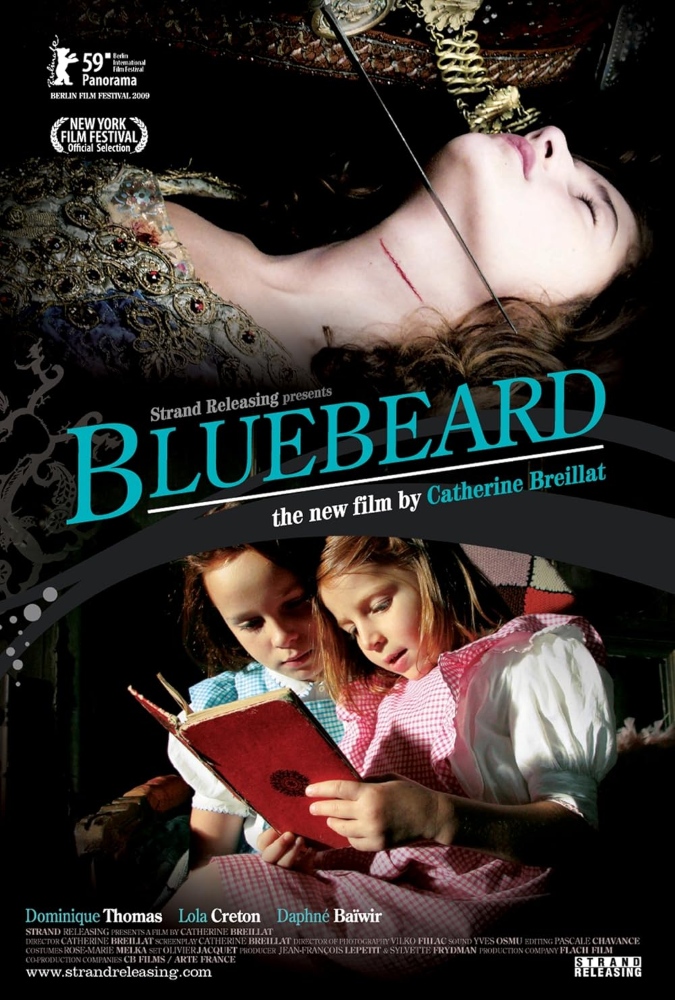
Catherine Breillat, a director known for her full-on explorations of sexuality, takes on an adaptation of the French fairytale about a multiple wife murderer
Assassin 33 A.D. (2020)
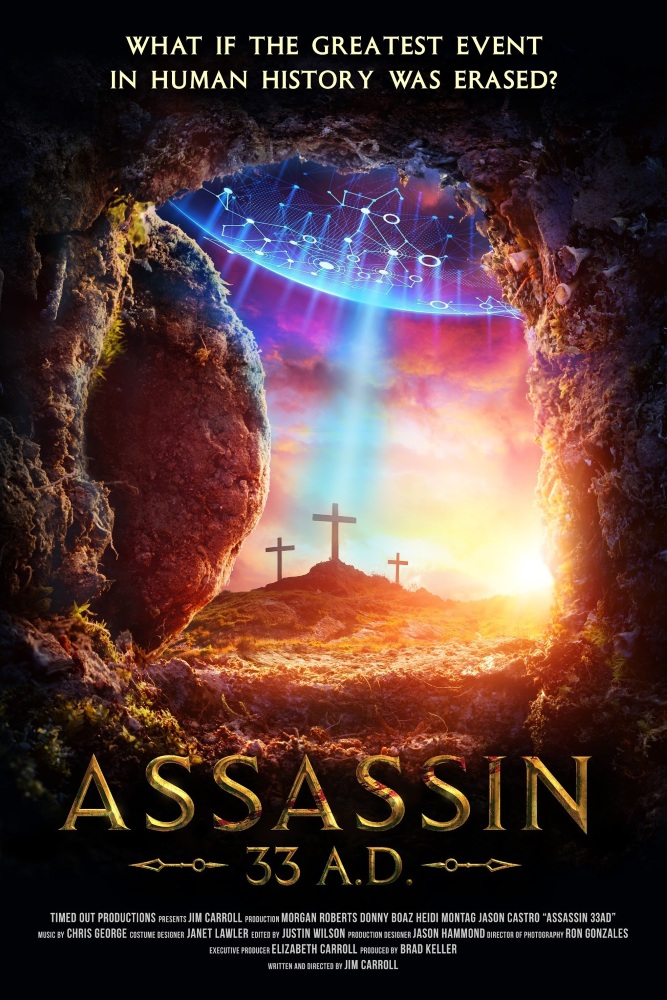
A faith-based film that comes with a great hook where a time-traveller seeks to go back and kill Jesus, eliminating Christianity from history
Ash (2025)
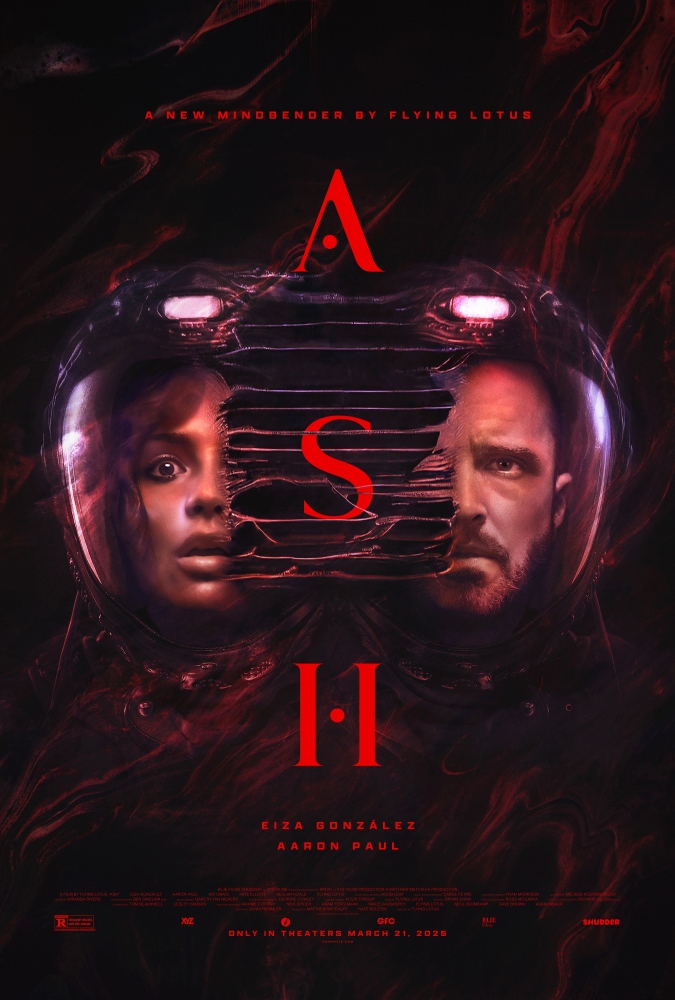
The rapper Flying Lotus directs a copy of Alien with a ship crew being hunted by an alien nasty on a hostile planet
Death of a Unicorn (2025)
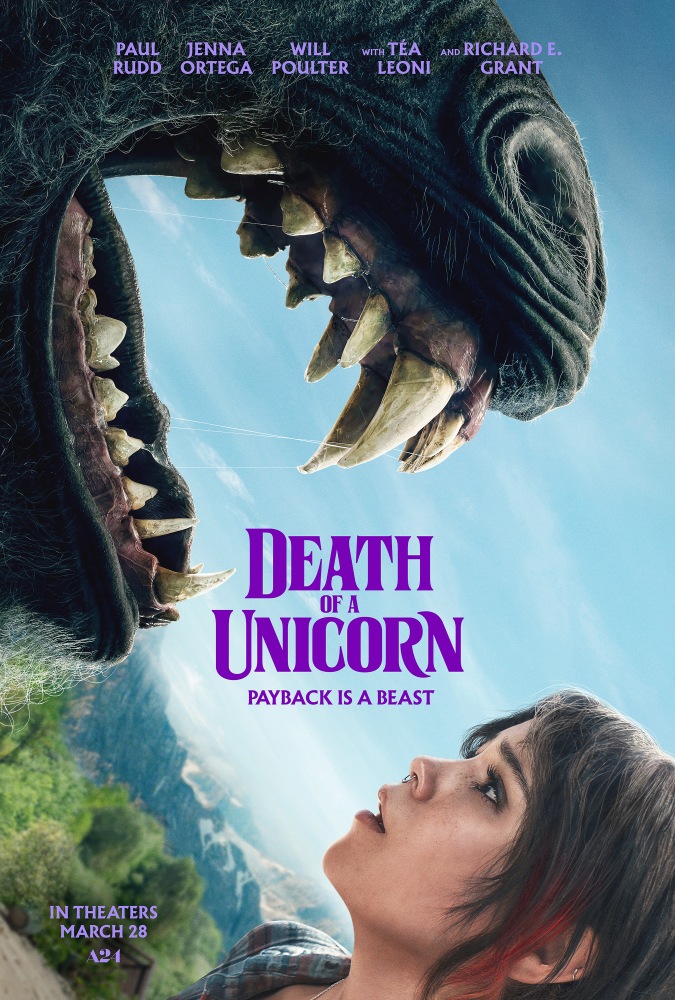
A film about the modern discovery of a unicorn, this seems designed to shatter any cutsie notions about unicorns and instead becomes a work about greed and where the unicorns become vicious and monstrous. An A24 film produced by Ari Aster
Heart Eyes (2025)
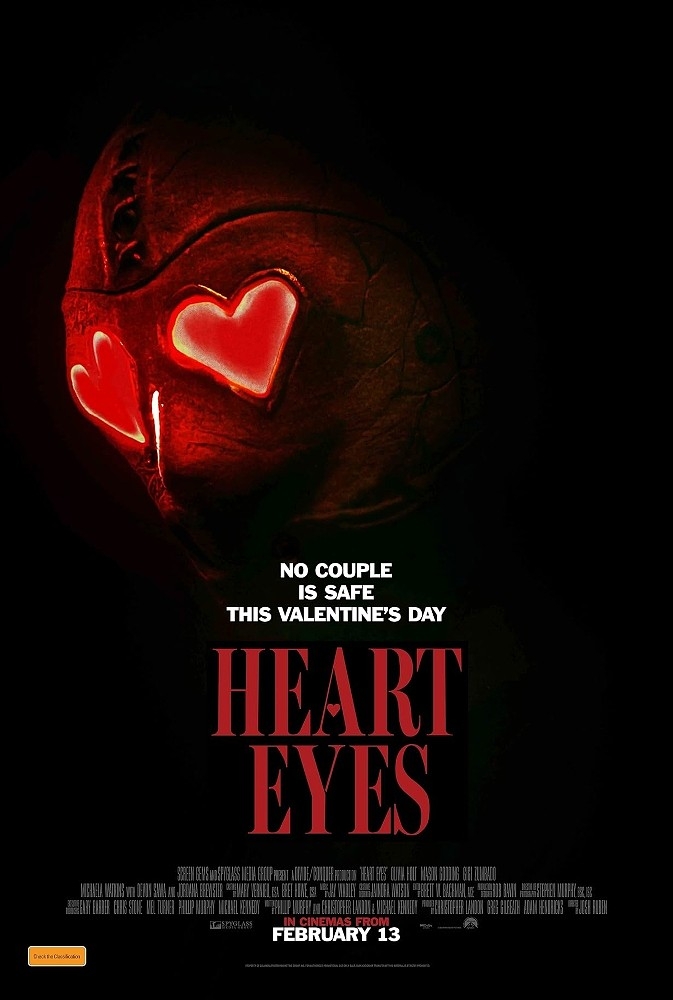
This is a film that manages to be both a slasher film and a romantic comedy, two genres that do not at all seem to go together but are made to with undeniably appealing results
Croczilla (2012)
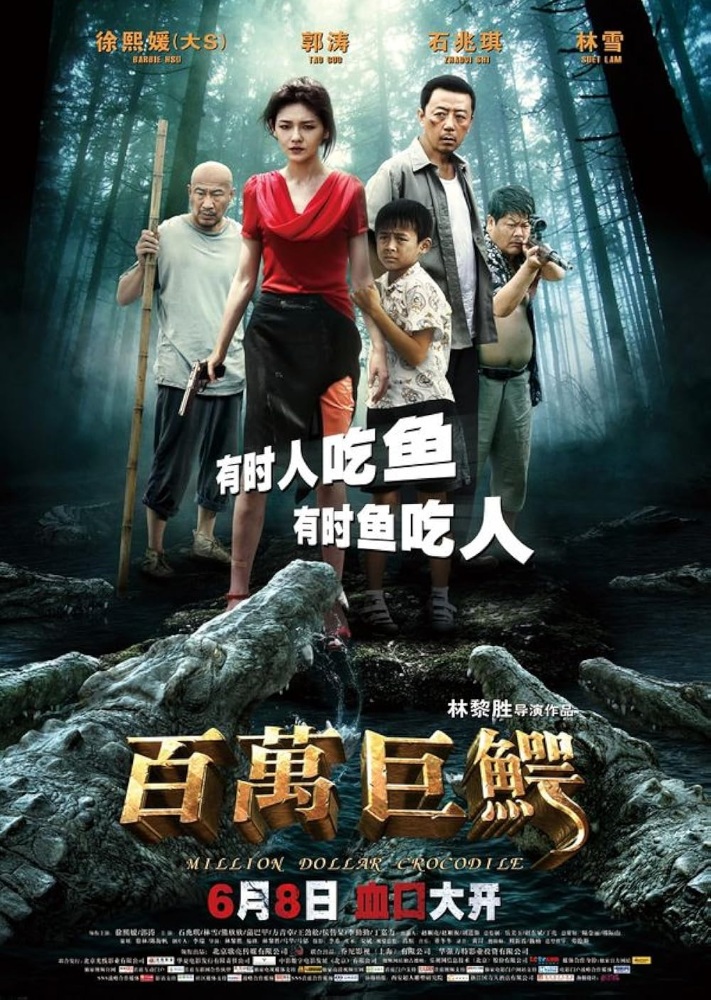
The late 2000s brought a spate of giant crocodile amok films that included some really good efforts like Rogue and Black Water. This is a belated entry from China, featuring some surprisingly good CGI effects
Supercroc (2007)
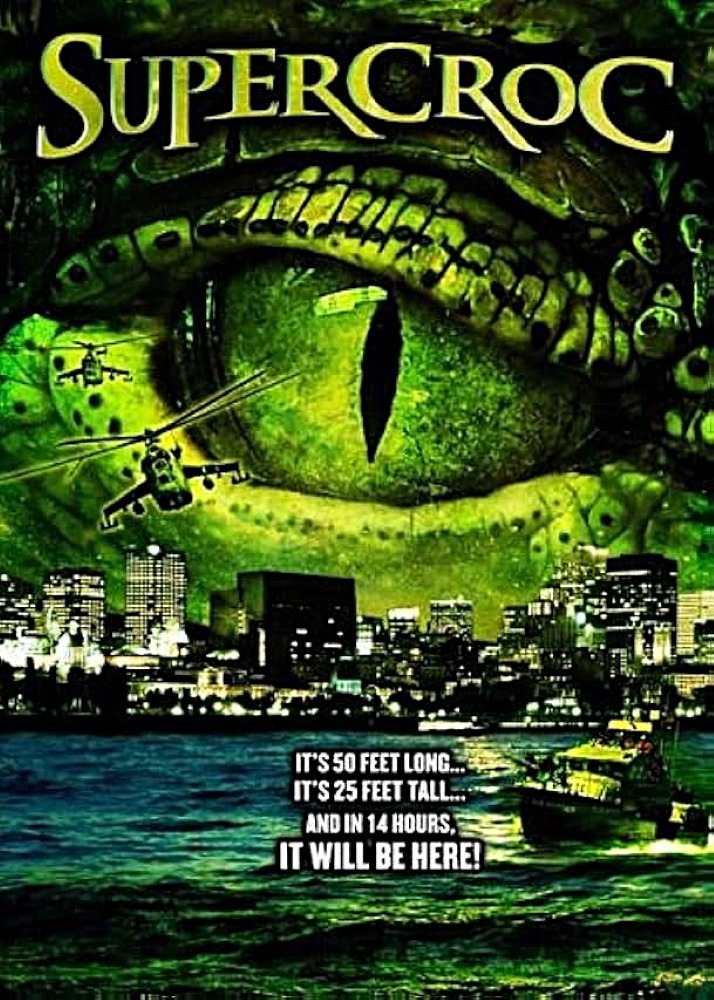
An early mockbuster from The Asylum, a copy of 2007’s crocodile amok films with a giant 100-foot-long crocodile heading towards Los Angeles
Bad Johnson (2014)
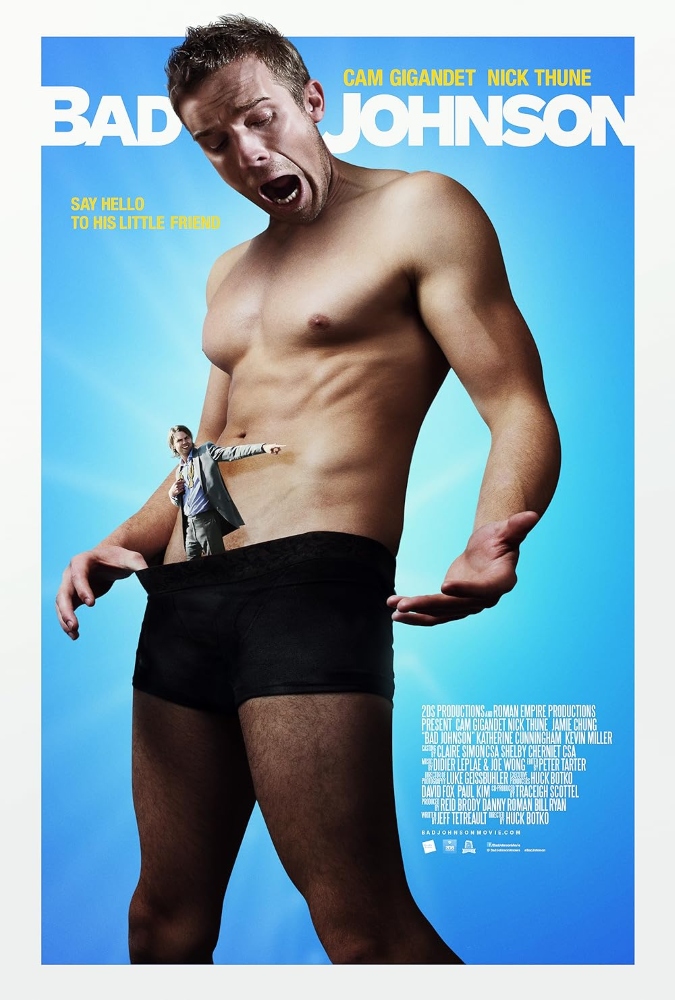
Sometimes you shake your head and wonder how a film got greenlit. In this case, we have a comedy where Cam Gigandet’s penis gains a separate life of its own, resulting in a Jekyll/Hyde film of sorts
Kamikaze 1989 (1982)
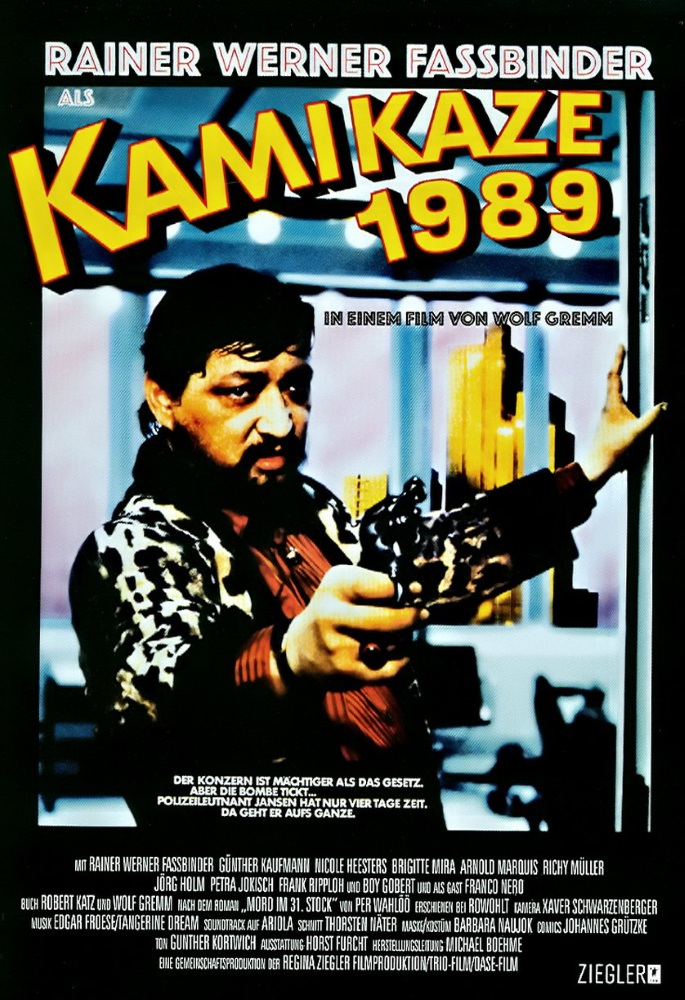
A detective thriller set in a near-future Germany. Celebrated arthouse director Rainer Werner Fassbinder plays the investigating detective
Lowlifes (2024)
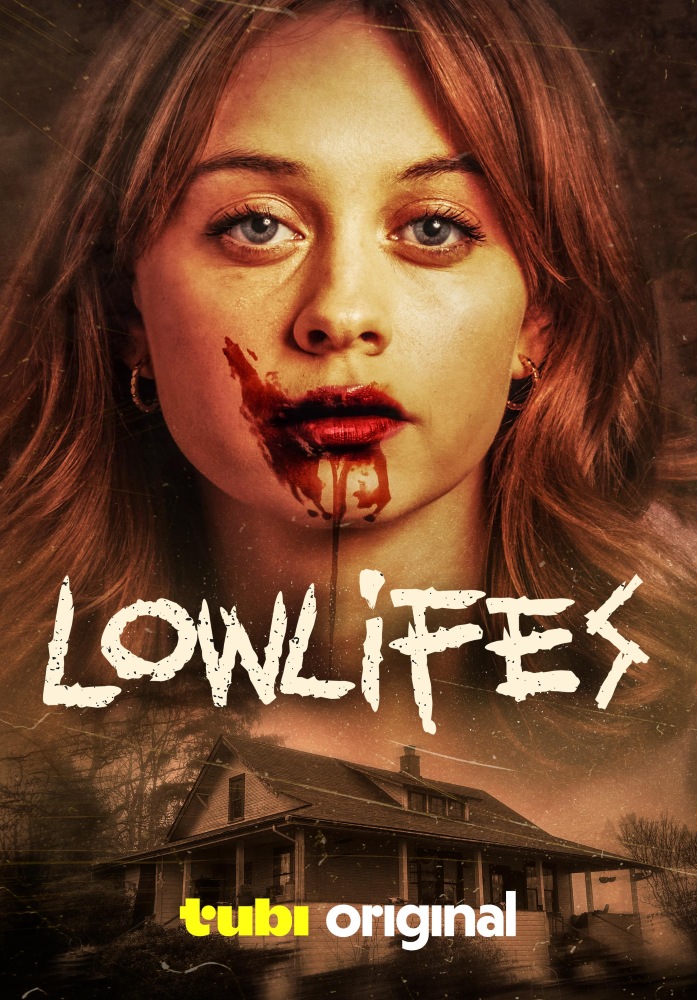
This starts out seeming like it is going to be a regular Backwoods Brutality films before expectations are abruptly turned on their head
Hotspring Sharkattack (2024)
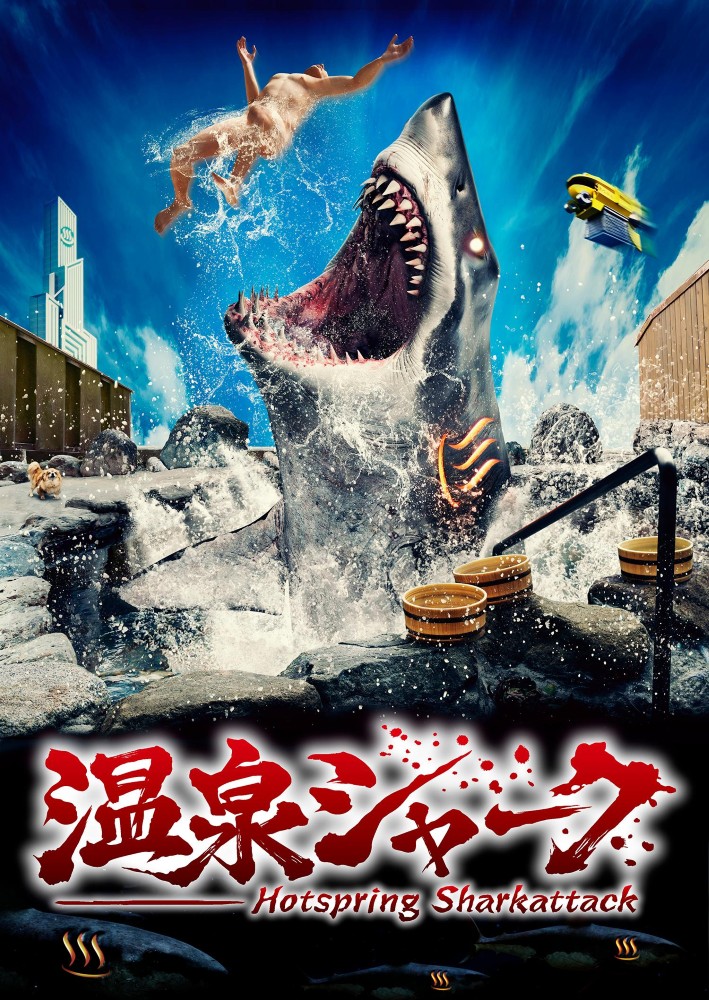
A Japanese entry in the Gonzo Killer Shark film fad with sharks invading a hot springs and emerging out of hot tubs. This has been greeted as a new cult movie
How to Train Your Dragon (2025)

With Disney having remade most of their animated catalogue in live-action, other studios are now getting in on the act with this live-action remake of How to Train Your Dragon
M3gan 2.0 (2025)
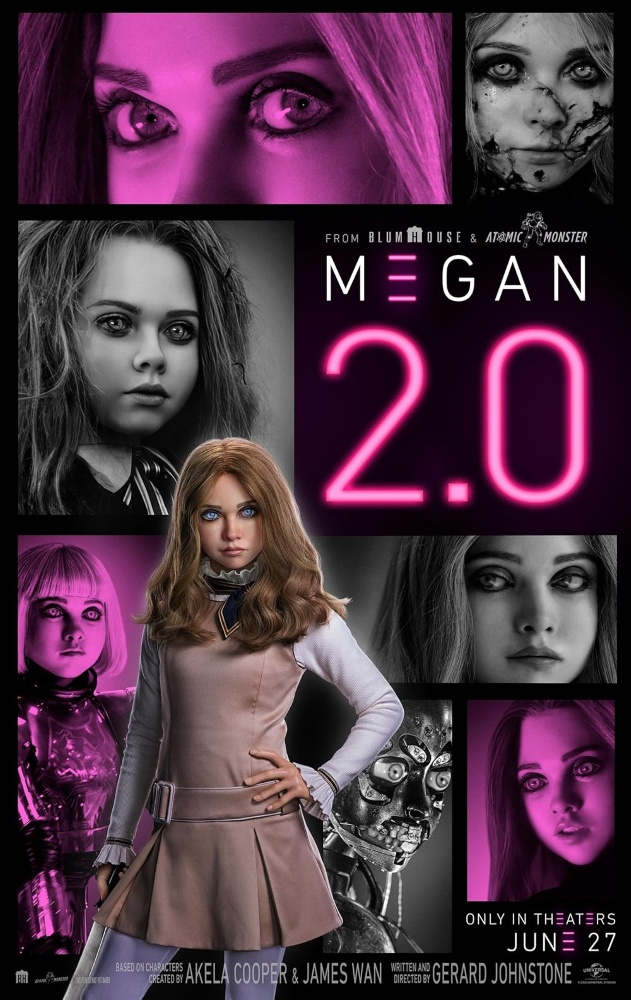
Sequel to the killer doll film that is a much better work than its predecessor