


aka The Blood Virgin
Crew
Director – Joseph Larraz, Screenplay – Joseph Larraz & Stanley Miller, Producer – Jean L. Dupuis, Photography – Trevor Wrenn. Production Company – Thames.
Cast
Angela Pleasence (Helen Ramsay), Lorna Heilbron (Ann West), Peter Vaughan (Brady), Marie-Paul Mailleux (Cora)
Plot
Ann West goes to stay with her friend Helen Ramsey at Helen’s large, remote country mansion. As Helen descends into madness, Ann becomes scared by the strange happenings about the house, the eerie voices, and the sinister groundsman who hints that disturbing things may have happened to Helen’s other friends.
This was one of the films made by the interesting Spanish genre director Jose/Joseph Larraz (1929-2013). In between various softcore sex films, Larraz has made a steady output of horror films including The House That Vanished (1970), Stigma (1979), The National Mummy (1980), Rest in Pieces (1987), The Edge of the Axe (1988) and Deadly Manor/Savage Lust (1990).
Larraz is an interesting talent who suggests something like the work of his countryman Jesus Franco having been given a more consciously arty reworking. The same year as Symptoms, Larraz also made his most famous work, Vampyres (1974), which trod similar territory to this in its story of two lesbian (vampire) lovers luring men to their lonely country mansion and killing them.
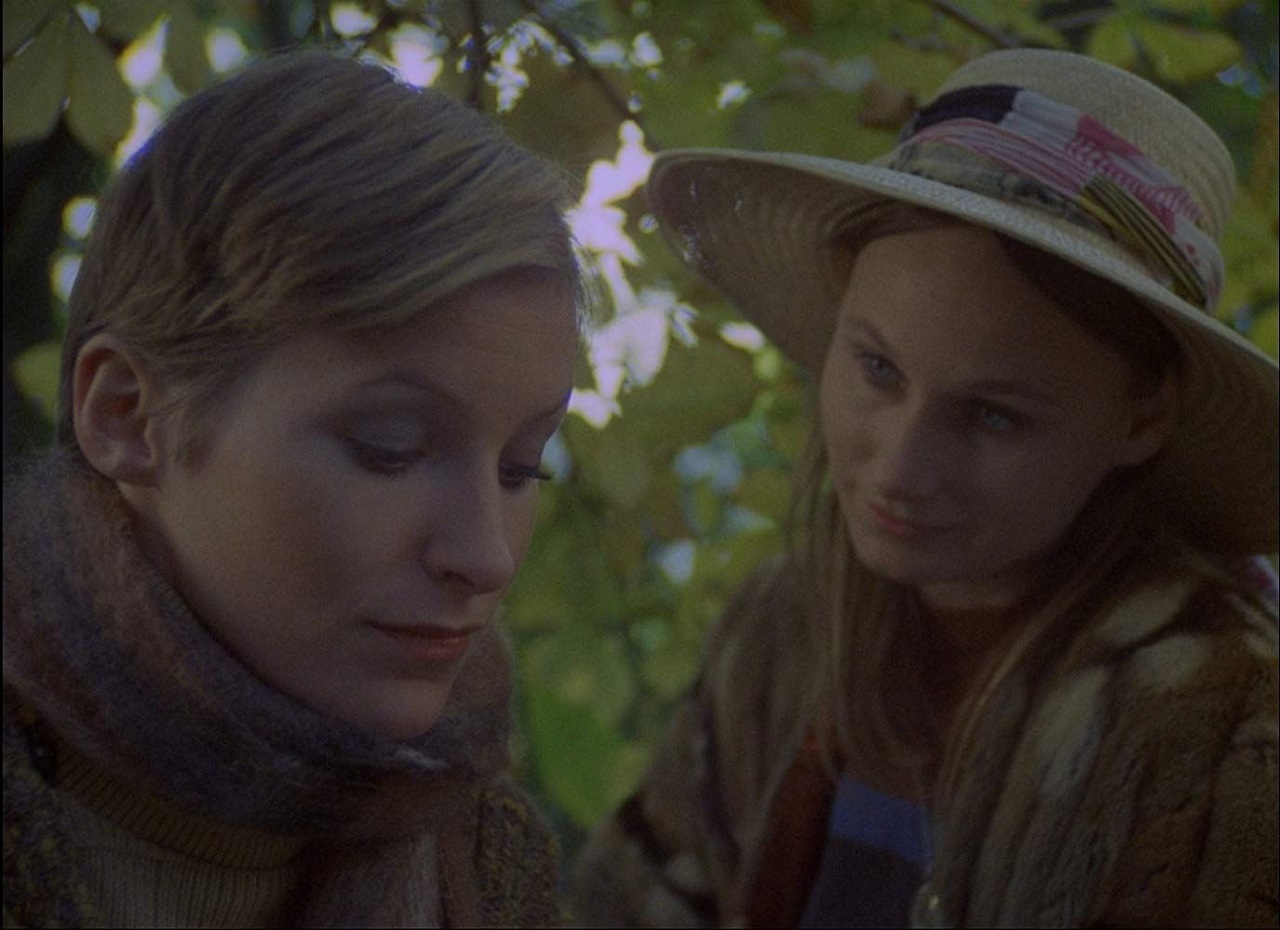
Symptoms suggests a reinterpretation of Roman Polanski’s Repulsion (1965) as a Hammer horror film. It is interesting in terms of its atmosphere of unease, although this also becomes overstrained and the film eventually becomes a vacuous, pseudo-arty offering. Frequently it appears to have been constructed around lengthy, meaningful pauses. What the twist ending means could be is anybody’s guess.
Certainly, Angela Pleasence (Donald’s daughter), trading on her gaunt raised cheekbones, long straight hair and haunted eyes, has an extraordinarily weird presence. She went on to appear in a handful of other genre films around this same period.